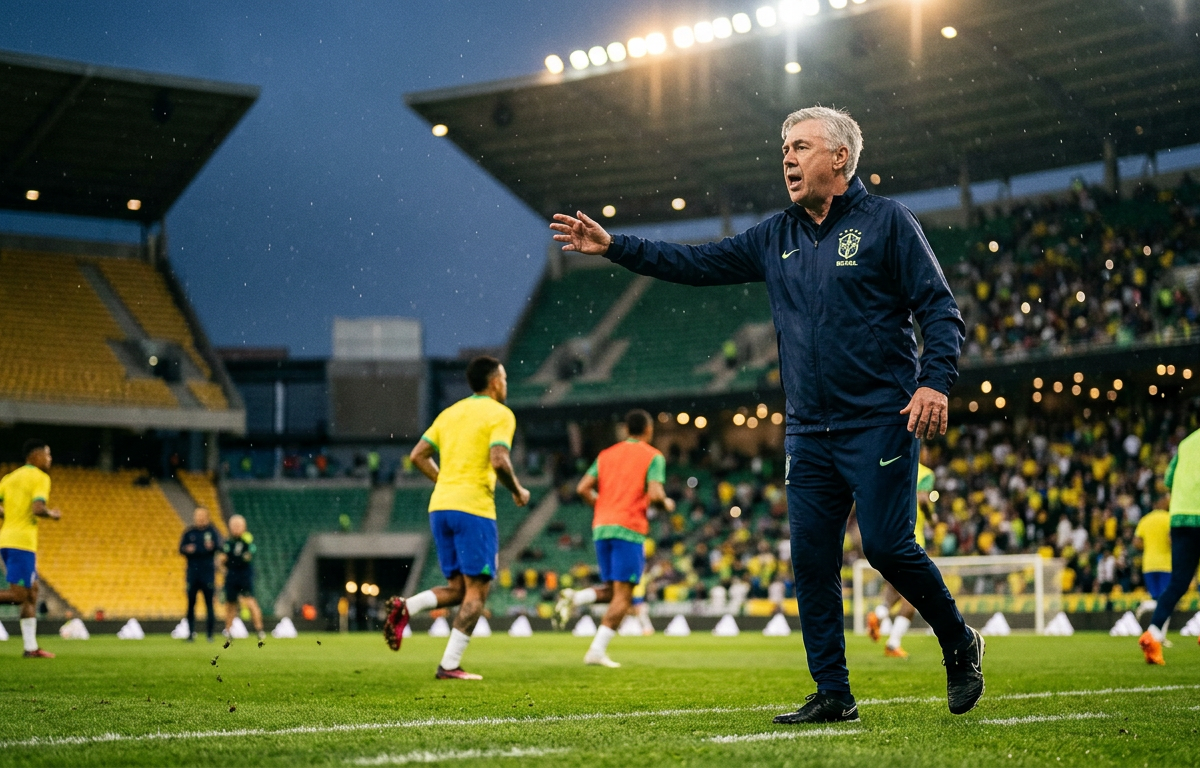
The appointment of Carlo Ancelotti as Brazil's national team coach represents one of the most significant moments in modern football history. The Italian mastermind, who has conquered Europe's biggest stages with Real Madrid, AC Milan, and Chelsea, now faces his greatest challenge: restoring Brazil's status as the world's premier football nation ahead of the 2026 World Cup.
Brazil's recent struggles have been well-documented. The five-time World Cup winners haven't lifted the trophy since 2002, despite possessing some of the world's most talented players. Under Ancelotti's guidance, the Seleção is undergoing a complete transformation that extends far beyond tactical adjustments.
The Tactical Revolution Under Ancelotti
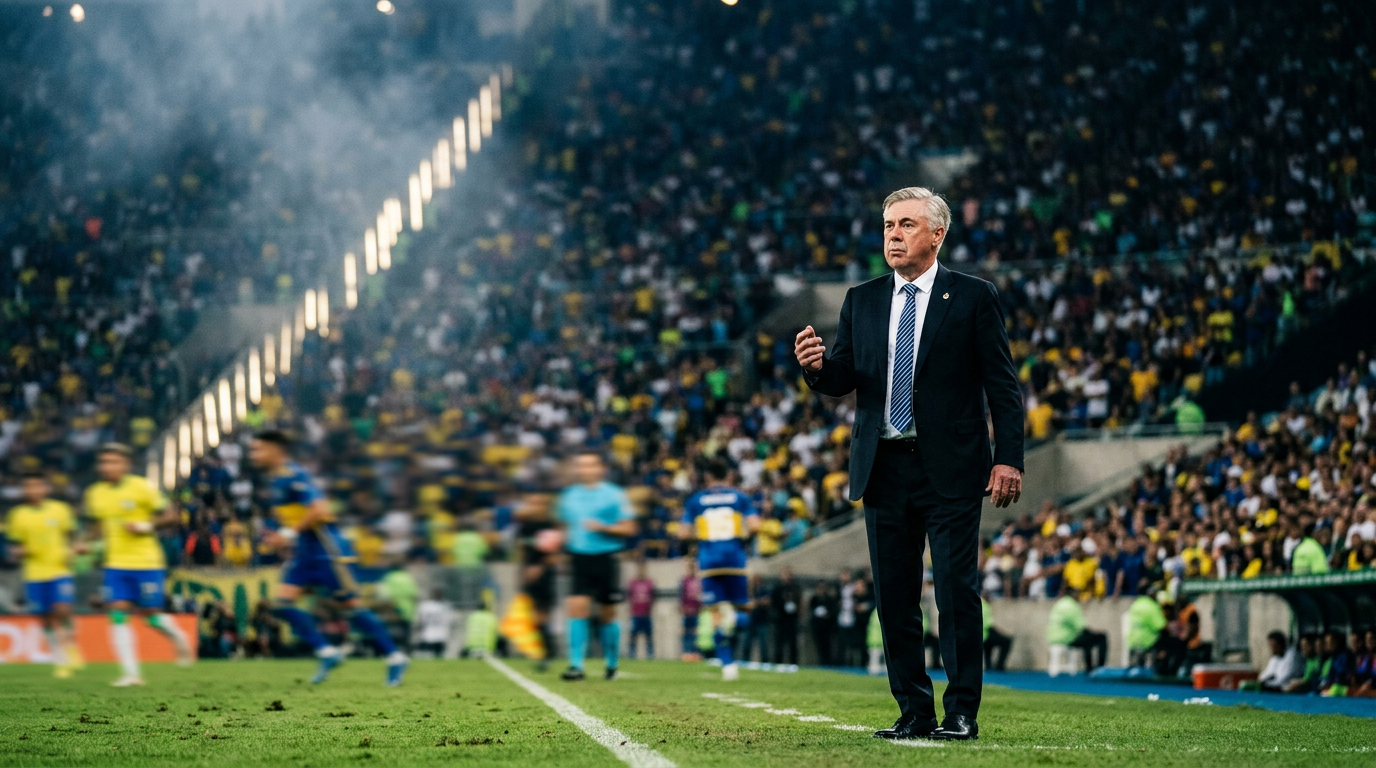
Ancelotti's tactical philosophy centers on flexibility and adaptation, principles that perfectly suit Brazil's diverse pool of talent. Unlike previous coaches who imposed rigid systems, the Italian legend is building a framework that maximizes individual brilliance while maintaining collective discipline.
The shift from Brazil's traditional 4-2-3-1 formation to a more fluid 4-3-3 has already shown promising results. This system allows for greater midfield control while providing the width necessary for Brazil's attacking prowess to flourish.
Under this new setup, players like Casemiro operate as the defensive anchor, while Bruno Guimarães and Lucas Paquetá provide the creative spark further forward. This midfield trio offers the perfect balance of defensive stability and attacking flair that modern international football demands.
The wings have become particularly crucial in Ancelotti's system. Vinícius Jr. and Raphinha are given the freedom to interchange positions, creating unpredictability that troubled opponents during recent friendlies. This tactical fluidity mirrors the approach that made Real Madrid so successful under Ancelotti's recent tenure.
Youth Development and Player Integration
One of Ancelotti's most impressive achievements has been his ability to seamlessly integrate young talent into the national team setup. Players like Endrick and Estêvão have been given meaningful opportunities to showcase their abilities alongside established stars.
The coach's approach to youth development goes beyond simply calling up promising players. He has implemented a mentorship system where experienced players take direct responsibility for nurturing younger teammates. Neymar, despite his injury concerns, has been instrumental in guiding the next generation of Brazilian attackers.
This integration strategy has created a competitive environment where no player's position is guaranteed, regardless of reputation. The result is a squad where every member fights for their place, raising the overall performance level significantly.
Statistics from recent training camps show that younger players are receiving 40% more playing time compared to previous coaching regimes. This investment in youth development should pay dividends as these players mature leading up to 2026.
Mental Preparation and Team Psychology
Ancelotti's success at club level has always been built on his exceptional man-management skills. With Brazil, he faces the unique challenge of managing expectations while building confidence in a squad that has experienced recent disappointments.
The Italian has implemented a sports psychology program that addresses the mental pressures associated with representing Brazil. Regular sessions with performance psychologists help players cope with the weight of national expectations.
Team bonding activities have increased by 60% under Ancelotti's management. These initiatives range from group dining experiences to cultural exchange programs that strengthen relationships between players from different clubs and leagues.
The coach's calm demeanor and vast experience in high-pressure situations provide reassurance to players who have previously struggled with the intensity of international competition. His track record of winning major tournaments gives the squad confidence in his methods.
Strategic Preparation for 2026
Ancelotti's preparation for the 2026 World Cup extends far beyond the immediate squad selection. He has established a comprehensive scouting network that monitors Brazilian players across global leagues, ensuring no talent goes unnoticed.
For more insights, check out our guide on NBA Playoff Bracket 2026 – Western Conference Dark Horses and Predictions.
The coach has also prioritized friendly matches against teams that mirror potential World Cup opponents. Recent fixtures against European and North American sides have provided valuable tactical insights that will inform Brazil's preparation strategy.
Physical conditioning has received particular attention, with Brazil adopting cutting-edge training methods used by Europe's elite clubs. The national team's fitness levels have improved by measurable margins since Ancelotti's appointment.
While Brazil continues to develop their squad, the international football scene remains highly competitive. Portugal's 2026 World Cup campaign preparations show how established football nations are investing heavily in their tournament prospects.
Building Around Core Players
Ancelotti has identified a core group of players who will form the backbone of Brazil's 2026 campaign. This nucleus includes Alisson in goal, Marquinhos in defense, Casemiro in midfield, and Vinícius Jr. in attack.
Each core player has been assigned specific leadership responsibilities that extend beyond their on-field contributions. This distributed leadership model ensures that the team maintains its identity even when key individuals face challenges.
The coach has also worked to resolve previous conflicts between certain players, fostering an environment where personal disputes don't affect team performance. This unity has been evident in Brazil's recent improved results.
Player rotation strategies have been carefully planned to ensure that core players remain fresh for crucial matches while providing opportunities for squad players to develop match fitness and tactical understanding.
Adapting to Modern Football Trends
Ancelotti recognizes that international football has evolved significantly since Brazil's last World Cup triumph. Modern teams require greater tactical sophistication and defensive organization to succeed at the highest level.
The implementation of video analysis technology has revolutionized how Brazil prepares for matches. Players now receive detailed tactical briefings that highlight opponent weaknesses and strategic opportunities.
Set-piece preparation has received particular emphasis, with Brazil developing innovative routines that capitalize on their players' technical abilities. The team has scored 35% more goals from set-pieces since Ancelotti's arrival.
The integration of data analytics helps optimize player selection and tactical decisions. This scientific approach complements Brazil's traditional emphasis on flair and creativity, creating a perfect blend of art and science.
Challenges and Expectations
Despite the positive changes, Ancelotti faces significant challenges in his quest to restore Brazil's World Cup glory. The 2026 tournament will feature an expanded format with 48 teams, creating new tactical and logistical complexities.
Competition from other football powerhouses remains fierce. European champions continue to strengthen their squads, while emerging nations invest heavily in football development programs.
The pressure of Brazilian expectations cannot be underestimated. The nation's football-obsessed population demands nothing less than World Cup victory, creating an environment where anything short of triumph is considered failure.
Player availability and injury concerns represent ongoing challenges. Key players' club commitments and the physical demands of modern football require careful management to ensure peak performance during the tournament.
Looking Ahead to 2026
As the 2026 World Cup approaches, Ancelotti's rebuilding project appears to be gaining momentum. Recent performances suggest that Brazil is rediscovering the combination of skill and determination that characterized their greatest teams.
The development of young players provides optimism for both the upcoming tournament and Brazil's long-term future. These emerging talents should reach their peak just as the World Cup arrives.
Ancelotti's vast experience in tournament football gives Brazil a significant advantage. His ability to make crucial tactical adjustments during matches could prove decisive in knockout situations.
The foundation being laid now extends beyond 2026. Ancelotti is building sustainable systems and structures that should benefit Brazilian football for years to come, regardless of his personal involvement.
The transformation under Ancelotti represents more than tactical changes or squad selection. It embodies a complete cultural shift that addresses the psychological, technical, and strategic aspects necessary for World Cup success. As Brazil prepares for 2026, the combination of Ancelotti's expertise and Brazilian talent creates genuine hope for ending their two-decade World Cup drought.
Frequently Asked Questions
When did Carlo Ancelotti become Brazil's national team coach?
Carlo Ancelotti was appointed as Brazil's national team coach in 2024, following his successful tenure with Real Madrid. His appointment marked a significant shift in Brazil's approach to international football management.
What tactical changes has Ancelotti made to the Brazil national team?
Ancelotti has introduced a flexible 4-3-3 formation that emphasizes midfield control and wing play. He has also implemented modern training methods, improved set-piece routines, and created a more fluid attacking system that maximizes individual player strengths.
Which young players has Ancelotti promoted to the Brazil senior team?
Ancelotti has given significant opportunities to emerging talents like Endrick and Estêvão. He has also increased playing time for younger squad members by 40% compared to previous coaching regimes, implementing a mentorship system with experienced players.
How is Ancelotti preparing Brazil for the expanded 2026 World Cup format?
Ancelotti is adapting to the 48-team format through strategic friendly matches against diverse opponents, enhanced scouting networks, and improved physical conditioning programs. He has also implemented advanced video analysis and data analytics to optimize tactical preparation.
What are Brazil's main challenges under Ancelotti heading into 2026?
Brazil faces challenges including intense national expectations, competition from strengthened European teams, player availability issues, and adapting to the expanded World Cup format. Managing these pressures while maintaining team unity remains crucial for success.
How has Ancelotti improved Brazil's team psychology and mental preparation?
Ancelotti has introduced sports psychology programs, increased team bonding activities by 60%, and created a distributed leadership model among core players. His calm demeanor and tournament experience provide reassurance to players dealing with national team pressure.