
The 2026 FIFA World Cup in North America looms as a potentially historic tournament for football's greatest legends. For Cristiano Ronaldo, who will be 41 years old when the tournament kicks off, this could represent his final chance to claim the one major trophy that has eluded him throughout his illustrious career. The question isn't just whether he'll participate, but what role Portugal's greatest ever player might have in their campaign.
Portugal's journey to the 2026 World Cup will be fascinating to observe, particularly as Roberto Martínez continues to reshape the squad around emerging talents while managing the twilight of Ronaldo's international career. The tactical evolution of this Portuguese side could define not just their World Cup hopes, but also how one of football's most decorated players concludes his international legacy.
Ronaldo's Current Form and Future Prospects
At 39, Cristiano Ronaldo continues to defy conventional wisdom about athletic decline. His move to Al Nassr in Saudi Arabia has provided him with a competitive environment where he remains the focal point of attack. In his first full season in the Saudi Pro League, Ronaldo scored 35 goals in 31 appearances, demonstrating that his goal-scoring instincts remain sharp.
However, international football presents different challenges than club football. The pace and intensity of World Cup matches, combined with the compressed tournament schedule, will test Ronaldo's physical capabilities in ways that league football cannot. His performance in the 2022 Qatar World Cup showed glimpses of his enduring class, but also highlighted areas where age has begun to catch up with his once-supernatural abilities.
The key question for Portugal's coaching staff will be determining Ronaldo's optimal role. Should he remain the central striker, or would the team benefit from deploying him in a deeper, more creative position? His experience and leadership qualities remain invaluable, but maximizing his impact while accommodating younger talents will require careful tactical planning.
Portugal's Evolving Squad Dynamics
Roberto Martínez inherited a Portuguese squad in transition, with established stars like Pepe (41) and João Moutinho (37) nearing the end of their international careers. The 2026 World Cup will likely represent a generational shift, with younger players taking on greater responsibilities.
In attack, Portugal boasts an embarrassment of riches. Rafael Leão has established himself as one of Europe's most dynamic wingers, while Gonçalo Ramos showed his potential as a central striker during the 2022 World Cup. The emergence of players like Fábio Silva and António Silva provides additional depth and suggests Portugal's pipeline of talent remains robust.
The midfield presents perhaps the most intriguing area of development. Bruno Fernandes has become the creative heartbeat of the team, but the supporting cast continues to evolve. Rúben Neves brings experience and passing range, while younger prospects like Matheus Nunes and João Palhinha offer different tactical options.
Defensively, Portugal faces its biggest challenges. Pepe's eventual retirement will leave a significant void, though António Silva and Gonçalo Inácio represent promising long-term solutions. The full-back positions also need attention, with João Cancelo and Raphaël Guerreiro providing current stability but requiring eventual succession planning.
Tactical Framework for 2026
Martínez's tactical approach has shown flexibility, but certain patterns have emerged that could define Portugal's 2026 campaign. The Spanish coach has favored a possession-based system that emphasizes technical quality and positional fluidity, moving away from the more direct approach sometimes employed under Fernando Santos.
The integration of Ronaldo into this system presents both opportunities and challenges. His movement in the penalty area remains world-class, but his pressing intensity has naturally decreased with age. Martínez may need to develop specific tactical solutions that maximize Ronaldo's strengths while compensating for any physical limitations.
One potential approach involves using Ronaldo as a false nine, dropping deeper to link play while allowing wingers like Leão and Pedro Neto to make runs beyond him. This system could preserve Ronaldo's goal-scoring threat while reducing his physical demands and creating space for Portugal's dynamic wide players.
For those interested in analyzing Portugal's potential tactical setups and betting opportunities, understanding these formation changes will be crucial when considering how to build smart bet builders for the World Cup, particularly when it comes to player-specific props and team performance metrics.
Group Stage Challenges and Expectations
The expanded 48-team format for the 2026 World Cup changes the qualification dynamics significantly. Portugal will likely secure automatic qualification through UEFA's allocation, but their seeding and group placement will depend on their FIFA ranking and performance in the intervening years.
As a top-seeded team, Portugal would expect to avoid the strongest nations in the group stage. However, the increased number of participants means more opportunities for upsets and tactical surprises. Portugal's experience in knockout tournaments gives them an advantage, but they cannot afford to underestimate any opponent in the expanded format.
The group stage will be crucial for establishing Ronaldo's tournament rhythm. If this is indeed his final World Cup, the opening matches will determine whether he can still perform at the highest level or if Portugal needs to adapt their approach for the knockout rounds.
Potential Knockout Round Scenarios
Portugal's knockout round prospects will depend heavily on their group placement and the overall tournament bracket. Their recent tournament performances suggest they possess the tactical flexibility and mental strength to compete with any opponent, but the presence of an aging Ronaldo adds an unpredictable element to their campaign.
The knockout stages will likely see Martínez rotate his squad more heavily, potentially using Ronaldo strategically rather than as a guaranteed starter. His impact from the bench could prove significant, particularly in tight matches where his experience and composure in crucial moments remain unmatched.
Portugal's path to the final will likely involve encounters with other footballing superpowers. Their ability to compete against teams like France, Brazil, or Argentina will test not just their tactical preparation, but also their emotional resilience as they potentially bid farewell to their greatest ever player.
For more insights, check out our guide on Premier League Title Race 2025/26 – A Statistical Deep Dive Into the Top 4 Contenders.
Legacy Considerations and Team Psychology
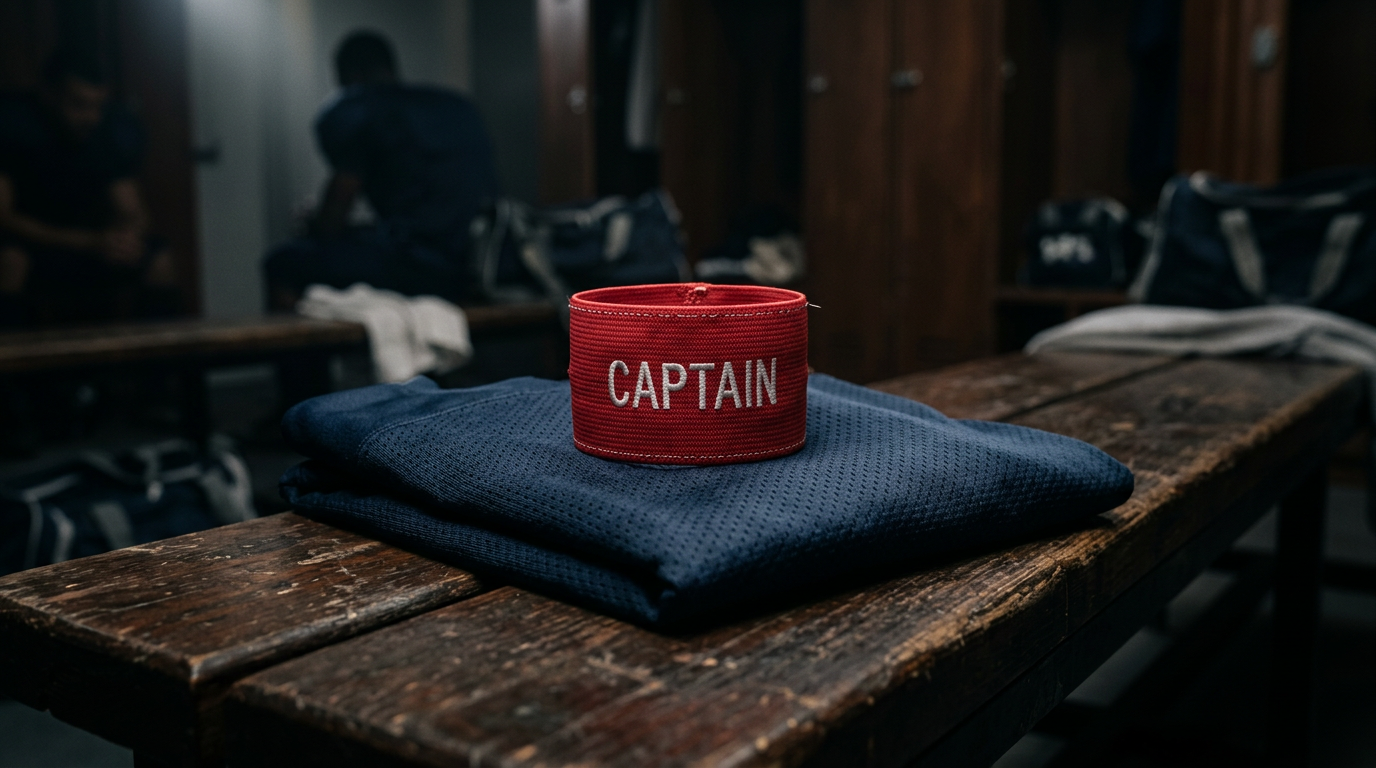
The psychological aspect of potentially being Ronaldo's final World Cup cannot be understated. The Portuguese squad will carry the weight of expectation not just to perform well, but to give their captain a fitting send-off on football's biggest stage.
This emotional dimension could work both ways. The motivation to achieve something special for Ronaldo might inspire extraordinary performances from his teammates. Conversely, the pressure of the moment could create tension if results don't materialize as hoped.
Martínez's management of this psychological element will be crucial. He must balance respect for Ronaldo's legacy with the practical demands of modern tournament football. The coach's ability to integrate sentiment with tactical pragmatism may determine Portugal's ultimate success.
Alternative Scenarios and Contingency Planning
While the assumption is that 2026 represents Ronaldo's final World Cup, alternative scenarios exist. Should Portugal win the tournament, Ronaldo might consider extending his international career to defend the title in 2030. Conversely, injury or form concerns could force an earlier retirement from international duty.
Portugal's coaching staff must prepare for multiple scenarios. Their tactical systems should function effectively both with and without Ronaldo, ensuring the team's competitiveness regardless of his availability or role within the squad.
The development of younger players becomes even more critical in this context. By 2026, Portugal needs multiple players capable of stepping into starring roles, reducing their dependence on any single individual while still maximizing Ronaldo's potential contributions.
World Cup 2026 Format Impact
The expanded 48-team format introduces new tactical and logistical challenges that Portugal must navigate. The modified group stage structure, featuring 16 groups of three teams, creates different qualification dynamics and potentially more meaningful group stage matches.
For Portugal, this format change could benefit their campaign. As an established football power, they're likely to be seeded favorably, but the smaller group sizes mean less room for error. Every match becomes crucial, which could suit Portugal's experienced squad that knows how to handle pressure situations.
The tournament's North American venues also present unique considerations. The travel distances between cities and varying climate conditions could favor teams with deeper squads and better rotation policies. Portugal's squad depth will be tested in ways that previous World Cups may not have demanded.
Frequently Asked Questions
Will Cristiano Ronaldo definitely play in the 2026 World Cup?
While no official confirmation exists, Ronaldo has expressed his intention to continue playing at the highest level. At 41, his participation will depend on his physical condition, form, and Portugal's tactical needs. His current performance in Saudi Arabia suggests he remains capable of contributing at international level.
How will Portugal's tactics change to accommodate an older Ronaldo?
Portugal may deploy Ronaldo in a deeper role, possibly as a false nine or attacking midfielder, to reduce his physical demands while maintaining his creative and goal-scoring threat. Roberto Martínez will likely develop flexible systems that maximize Ronaldo's strengths while compensating for any age-related limitations.
Who are the key young players Portugal will rely on in 2026?
Rafael Leão, Gonçalo Ramos, António Silva, and Matheus Nunes represent the core of Portugal's next generation. By 2026, these players will be entering their prime years and could form the backbone of the squad alongside experienced veterans like Bruno Fernandes.
What are Portugal's realistic chances of winning the 2026 World Cup?
Portugal consistently ranks among the top international teams and will be serious contenders. Their combination of experienced players, emerging talents, and proven tournament pedigree makes them a legitimate threat to win their first World Cup, particularly if this serves as motivation for Ronaldo's potential farewell.
How does the expanded 48-team format affect Portugal's chances?
The expanded format could benefit Portugal as they're likely to receive favorable seeding. However, the modified group structure means less margin for error in the group stage. The additional knockout round also provides more opportunities but requires greater squad depth and tactical flexibility.
What would a World Cup victory mean for Ronaldo's legacy?
A World Cup triumph would complete Ronaldo's trophy collection and cement his status as the greatest Portuguese player of all time. It would provide the perfect conclusion to his international career and potentially end the debate about his place among football's all-time greats alongside players like Pelé and Diego Maradona.