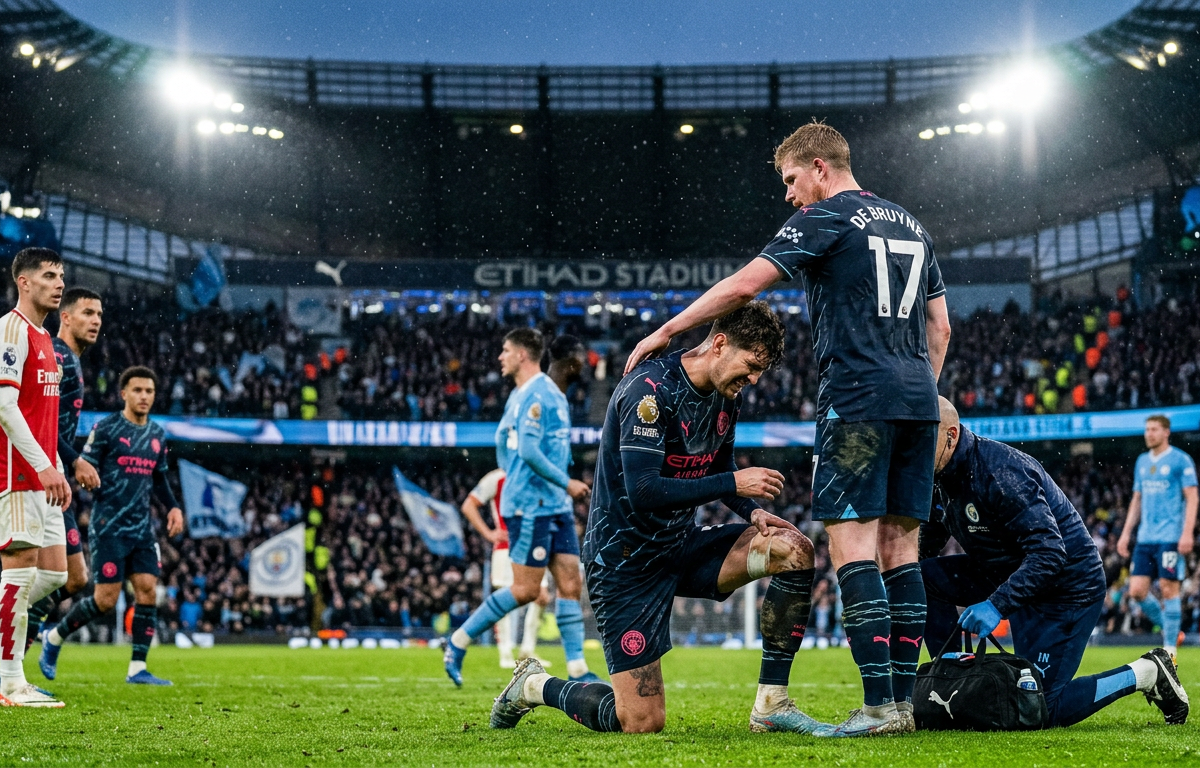
The 2025/26 Premier League season has been defined by one unprecedented factor: injuries. What started as isolated setbacks have evolved into full-blown crises that are fundamentally reshaping the title race. From Manchester City's defensive decimation to Arsenal's midfield meltdown, injuries are proving to be the ultimate equalizer in what many predicted would be a straightforward championship battle.
The sheer volume of injuries this season has reached alarming levels. By December 2025, Premier League clubs had recorded over 400 injury-related absences, representing a 23% increase from the previous campaign. This epidemic hasn't just affected squad rotation – it's completely altered the tactical landscape and championship odds.
The Numbers Behind the Crisis
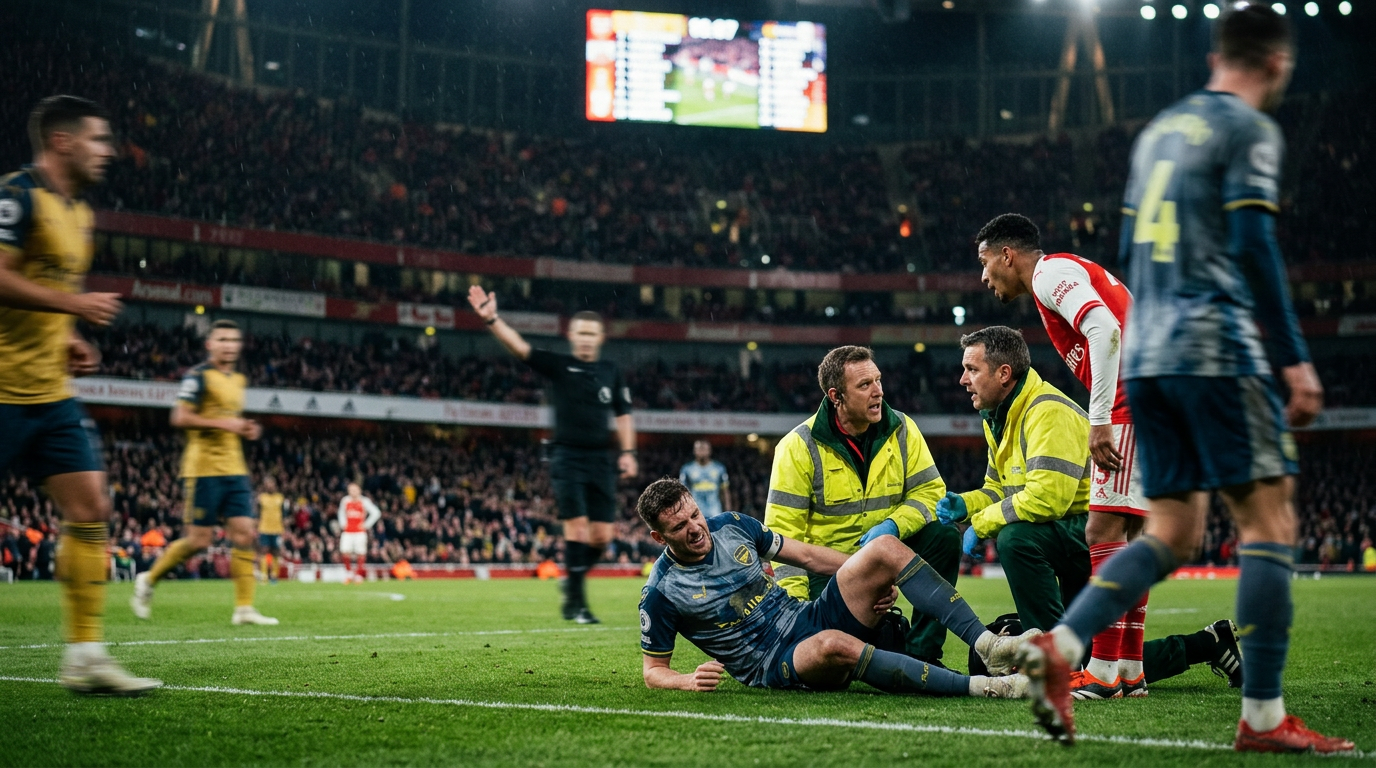
Premier League medical departments are working overtime this season. Manchester City alone has dealt with 18 first-team injuries, while Chelsea has seen 15 key players sidelined for extended periods. Liverpool, traditionally blessed with robust fitness records, has experienced their worst injury season in over a decade with 16 significant absences.
The financial impact is staggering. Clubs are spending an average of £2.3 million per month on medical treatment and rehabilitation, a 40% increase from last season. Transfer windows have become emergency shopping sprees rather than strategic recruitment exercises.
What makes this crisis particularly devastating is its timing. Unlike previous seasons where injuries were clustered around fixture congestion periods, the 2025/26 campaign has seen consistent waves of setbacks throughout each month. October saw 67 new injuries across all Premier League clubs, followed by 72 in November – numbers that dwarf historical averages.
Manchester City's Defensive Collapse
Pep Guardiola's empire is crumbling under the weight of defensive injuries. With John Stones, Ruben Dias, and Josko Gvardiol all facing extended spells on the sidelines, City has been forced to deploy makeshift backlines that would have been unthinkable just months ago.
The statistics tell a sobering story. City's defensive record has plummeted from conceding 0.8 goals per game last season to 1.6 goals per game in 2025/26. Their expected goals against (xGA) has increased by 42%, highlighting how opponents are creating significantly more dangerous chances.
Guardiola has experimented with 11 different defensive combinations this season, including deploying midfielders Rodri and Mateo Kovacic as emergency center-backs. The tactical flexibility that once defined City's dominance has become a desperate scramble for stability.
Arsenal's Midfield Meltdown
Arsenal's title ambitions have been derailed by a catastrophic midfield injury crisis. The loss of Martin Odegaard, Declan Rice, and Thomas Partey to long-term injuries has stripped Mikel Arteta of his creative and defensive foundations.
The Gunners' passing accuracy has dropped by 8% this season, while their chances created per game have fallen from 2.4 to 1.7. Without Odegaard's creative genius and Rice's defensive solidity, Arsenal has struggled to control games against elite opposition.
Arteta has been forced to fast-track academy prospects, with 19-year-old Ethan Nwaneri making his first Premier League start out of necessity rather than design. While these young talents represent the future, their inexperience has cost Arsenal crucial points in title-defining matches.
The Ripple Effect on Young Players
The injury crisis has created unexpected opportunities for emerging talents across the Premier League. While established stars recover, clubs are turning to their academies and young signings to fill the gaps. This development could significantly impact which promising talents emerge as stars ahead of the 2026 World Cup, as consistent Premier League exposure often serves as the perfect preparation for international football.
Liverpool's Surprising Resilience
While other title contenders crumble under injury pressure, Liverpool has demonstrated remarkable resilience. Despite losing key players like Virgil van Dijk and Mohamed Salah for significant periods, Jurgen Klopp's tactical flexibility has kept them in contention.
Liverpool's success stems from their squad depth investments over the past two summers. The acquisitions of versatile players like Ryan Gravenberch and Dominik Szoboszlai have provided tactical solutions that other clubs lack. Their injury management philosophy, emphasizing rotation and player welfare, is paying dividends.
The Reds have maintained a 68% win rate despite their injury setbacks, compared to City's 54% and Arsenal's 51%. Their expected points tally suggests they're actually overperforming relative to their underlying metrics, indicating strong tactical adaptation.
Newcastle and Tottenham: Dark Horses Emerging
The injury chaos among traditional title contenders has opened the door for unexpected challengers. Newcastle United and Tottenham Hotspur have maintained relatively healthy squads, allowing them to close the gap on their more established rivals.
Newcastle's consistent team selection has bred familiarity and tactical cohesion. With only 7 significant injuries this season, Eddie Howe has been able to implement his tactical vision without constant disruption. Their defensive record of 0.9 goals conceded per game ranks second in the league.
Tottenham's injury luck has coincided with Ange Postecoglou's tactical revolution taking hold. With key players like Heung-min Son and James Maddison staying healthy, Spurs have accumulated points when their rivals have dropped them. Their attacking output of 2.8 goals per game suggests they could sustain a title challenge if their fitness continues.
The Medical Science Behind the Crisis
Sports scientists are scrambling to understand why injury rates have spiked so dramatically. Leading theories point to the cumulative effects of fixture congestion, with players competing in an expanded Champions League format alongside domestic competitions.
Dr. Sarah Mitchell, a leading sports medicine expert, suggests that muscle fiber composition changes following intensive competition cycles. "We're seeing patterns of soft tissue injuries that suggest players are operating beyond their physiological limits," she explains. "Recovery windows have become inadequate for proper muscular regeneration."
The data supports this theory. Hamstring and calf injuries account for 34% of all Premier League absences this season, compared to 22% in 2023/24. These injury types typically result from accumulated fatigue rather than acute trauma, suggesting systematic overload rather than bad luck.
Tactical Evolution Under Pressure
The injury crisis has forced managers to become more creative with their tactical approaches. Traditional formations are being abandoned in favor of hybrid systems that maximize available personnel. The concept of positional play has evolved into positional survival.
Guardiola's recent deployment of a 3-4-2-1 formation represents a departure from his traditional 4-3-3 structure, designed specifically to accommodate his limited defensive options. Similarly, Arteta has experimented with asymmetrical formations, using different tactical roles for his makeshift midfield combinations.
These tactical innovations could have lasting impacts beyond the current season. Young players gaining experience in multiple positions are developing tactical intelligence that traditionally required years to acquire. The injury crisis may inadvertently create a more tactically sophisticated generation of players.
For more insights, check out our guide on Cricket World Cup T20 2026 Recap – Biggest Moments, Standout Performers, and Tournament Takeaways.
Transfer Market Implications
The January 2026 transfer window promises to be one of the most chaotic in recent memory. Clubs that traditionally planned strategic signings are now shopping for emergency reinforcements. This desperation has inflated prices across all positions.
Manchester City's pursuit of defensive reinforcements has seen them linked with moves worth over £150 million, while Arsenal seeks midfield solutions that could cost upwards of £80 million. These panic buys often result in poor value for money and squad imbalance in future seasons.
The injury crisis has also highlighted the value of squad players. Utility men who can operate in multiple positions have become premium assets, with clubs reluctant to sell versatile squad members regardless of offers received.
Long-term Consequences
The 2025/26 injury crisis will likely reshape how Premier League clubs approach squad building for years to come. The traditional model of maintaining thin squads with world-class starting elevens has proven vulnerable to systematic injury outbreaks.
Clubs are already increasing their medical staff budgets and investing in advanced injury prevention technologies. Load monitoring systems, sleep optimization programs, and nutrition specialists are becoming standard rather than luxury additions to club infrastructure.
The psychological impact on players shouldn't be underestimated either. Fear of injury can affect performance levels and decision-making on the pitch. Some players are reporting increased anxiety about physical challenges and training intensity.
Looking Ahead: Title Race Predictions
With the injury crisis showing no signs of abating, the Premier League title race remains incredibly unpredictable. Liverpool's superior squad management positions them as slight favorites, while Newcastle's consistency makes them genuine dark horses.
Manchester City's championship experience could prove decisive if they can stabilize their defensive situation through January signings. Arsenal's title hopes may depend entirely on the return timeline of their injured midfield stars.
The most fascinating aspect of this season is how injury management has become as important as tactical acumen. Clubs with robust medical departments and intelligent rotation policies are gaining competitive advantages that pure talent alone cannot provide.
As we enter the crucial spring months, fitness levels rather than form may determine who lifts the Premier League trophy in May 2026.
Frequently Asked Questions
Why are Premier League injury rates so high in 2025/26?
The unprecedented injury rates stem from accumulated fixture congestion, expanded European competitions, and insufficient recovery periods between matches. Sports scientists suggest players are operating beyond their physiological limits, leading to increased soft tissue injuries and muscular breakdowns.
Which Premier League club has been most affected by injuries this season?
Manchester City has suffered the most significant impact, with 18 first-team injuries fundamentally altering their tactical approach. Their defensive injury crisis has seen their goals conceded per game double from 0.8 to 1.6, dramatically affecting their title chances.
How are clubs adapting their transfer strategies due to injury crises?
Clubs are abandoning long-term strategic planning for emergency reinforcements. The January 2026 window has become a seller's market, with injury-hit clubs paying premium prices for immediate solutions rather than value-focused acquisitions.
Are young players benefiting from the Premier League injury crisis?
Yes, academy graduates and young signings are receiving unprecedented first-team opportunities. Players like Arsenal's Ethan Nwaneri are fast-tracking their development through necessity, gaining valuable experience that could benefit their careers long-term and potentially influence their selection for future international tournaments.
How has the injury crisis changed Premier League tactical approaches?
Managers are implementing more flexible, hybrid formations to accommodate available personnel. Traditional tactical structures are being abandoned for adaptable systems, with players learning multiple positions out of necessity rather than strategic development.
Will the 2025/26 injury crisis have lasting effects on the Premier League?
Absolutely. Clubs are already restructuring their approach to squad building, medical departments, and player welfare. The crisis has highlighted the vulnerability of thin squads and will likely lead to increased investment in depth, sports science, and injury prevention technologies across the league.