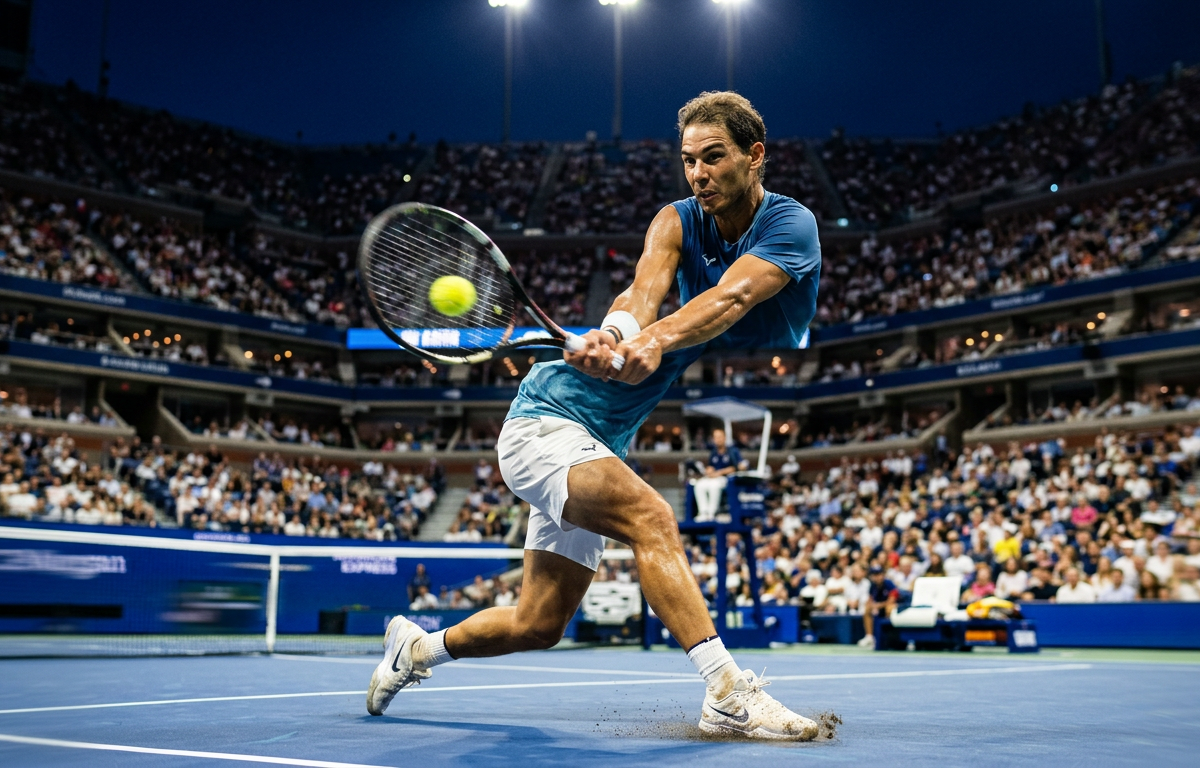
The 2026 tennis season promises to deliver exceptional drama across all four Grand Slam tournaments. With established champions facing new challengers and emerging talents ready to make their mark, the Grand Slam calendar offers tennis fans a year filled with compelling storylines and unforgettable matches.
Each major tournament brings its unique character and challenges. From the scorching Australian summer to the clay courts of Roland Garros, the grass courts of Wimbledon, and the hard courts of Flushing Meadows, 2026 will test every aspect of professional tennis.
Australian Open 2026: Summer Showdown Down Under
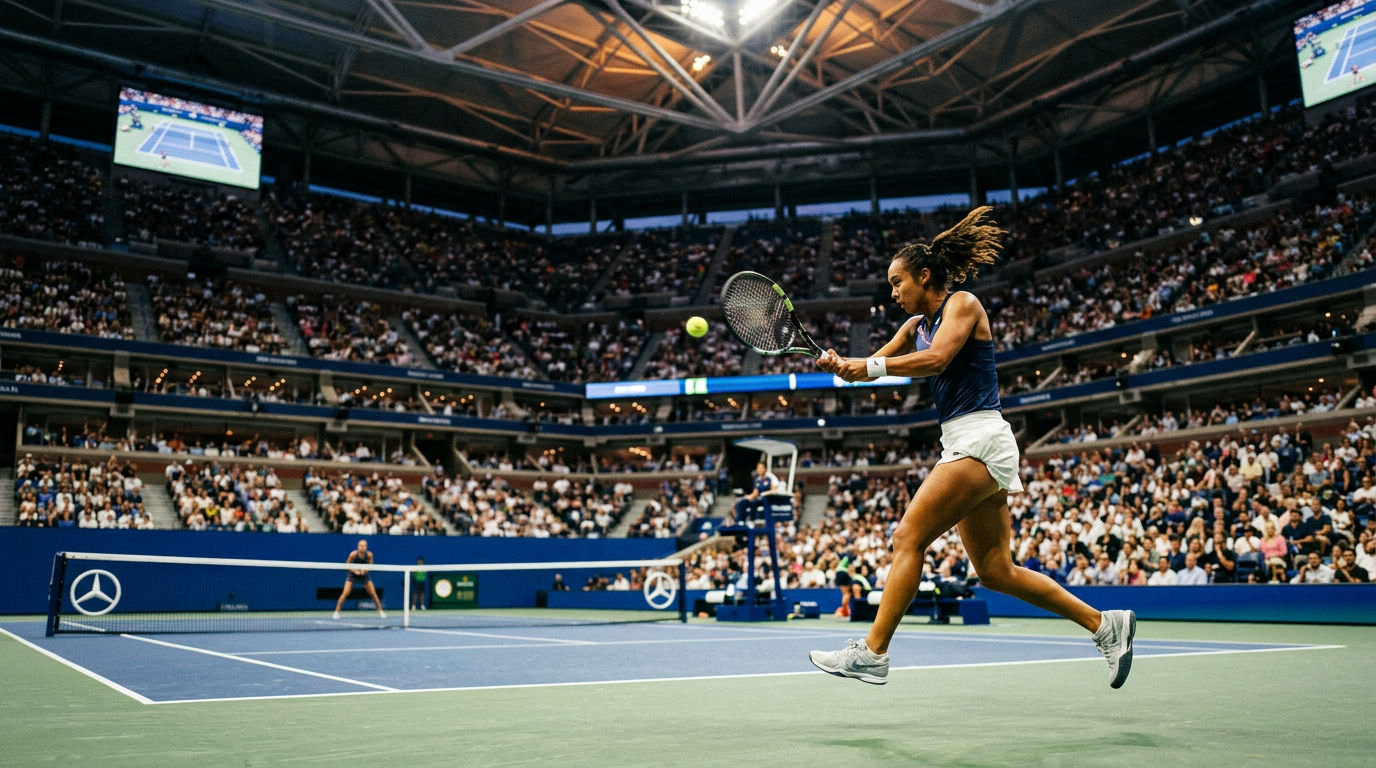
The Australian Open kicks off the Grand Slam calendar from January 12-25, 2026, at Melbourne Park. As the first major of the year, it sets the tone for the entire season and often reveals which players have used the off-season most effectively.
The tournament's extreme heat policy remains a crucial factor, with temperatures often exceeding 40°C (104°F). This physical challenge separates the prepared from the unprepared, making fitness and heat management as important as technical skills.
Key Storylines to Follow
The men's field will feature intense competition among the next generation of tennis stars. Players like Jannik Sinner and Carlos Alcaraz have established themselves as genuine Grand Slam threats, while seasoned competitors continue to adapt their games to extend their careers.
Women's tennis remains incredibly competitive, with multiple players capable of claiming their first major title. The depth of talent ensures that early rounds often produce surprising results and breakthrough performances.
Court Surface and Conditions
The Australian Open's Plexicushion hard courts favor aggressive baseline play and powerful serving. The surface speed has been adjusted over recent years to create longer rallies while still rewarding attacking tennis.
Night sessions under the lights at Rod Laver Arena and John Cain Arena create different playing conditions, with cooler temperatures and altered ball behavior affecting player strategies.
French Open 2026: Clay Court Mastery at Roland Garros
Roland Garros takes center stage from May 24 to June 7, 2026, presenting tennis's ultimate clay court challenge. The red clay surface demands exceptional fitness, patience, and tactical awareness that makes it the most physically demanding Grand Slam.
The tournament's unique characteristics include longer matches, dramatic momentum swings, and the constant tactical battle between defensive counterpunching and aggressive court positioning.
The Clay Court Specialists
Clay court tennis rewards players who can construct points patiently and maintain intensity over extended rallies. The surface's slower nature allows defensive players to retrieve seemingly impossible shots and turn defense into attack.
The men's clay court hierarchy remains competitive, with multiple players possessing the skills necessary to win at Roland Garros. The women's tournament continues to showcase tactical diversity and athletic excellence.
Weather and Playing Conditions
Parisian weather significantly impacts play at Roland Garros. Rain delays are common, and cool, damp conditions can make the clay courts heavier and slower. These weather variations often determine match outcomes and require players to adjust their strategies mid-tournament.
The recently installed roof on Court Philippe-Chatrier has reduced weather-related disruptions but hasn't eliminated them entirely, particularly on the outer courts where most first-week action occurs.
Wimbledon 2026: The Grass Court Championship
The Championships at Wimbledon run from June 29 to July 12, 2026, maintaining tennis's most prestigious tradition. The grass courts of the All England Club create unique playing conditions found nowhere else on the professional tour.
Wimbledon's shorter preparation time compared to other surfaces makes it tennis's most unpredictable major. Players have limited opportunities to practice on grass, creating an environment where adaptation and instinct often triumph over extensive preparation.
Grass Court Challenges
The grass surface rewards aggressive serving and net play while punishing players who remain too passive. The low, skidding bounce requires quick reflexes and excellent movement, making it particularly challenging for baseline-oriented players.
Court deterioration throughout the tournament adds another strategic element. Early matches play faster on pristine grass, while later rounds feature more worn surfaces with uneven bounces and increased sliding.
Traditional Elements and Modern Tennis
Wimbledon maintains its traditional scheduling and dress code while embracing technological advances. The tournament's unique atmosphere, from the royal patronage to the strawberries and cream, creates pressure and inspiration in equal measure.
The grass court season's brevity means players must adapt quickly or risk early elimination. This dynamic often produces surprising results and breakthrough performances from unseeded players.
US Open 2026: Hard Court Finale in New York
The US Open concludes the Grand Slam calendar from August 31 to September 13, 2026, at the USTA Billie Jean King National Tennis Center. As the year's final major, it often determines season-ending rankings and provides dramatic conclusions to compelling storylines.
For more insights, check out our guide on NBA Western Conference Preview 2025/26 – Contenders, Pretenders, and Playoff Sleepers.
The tournament's hard court surface and aggressive New York atmosphere create an environment that rewards powerful, attacking tennis. Night matches under the Arthur Ashe Stadium lights generate incredible energy and memorable moments.
Playing Conditions and Challenges
Late summer heat and humidity in New York create challenging conditions similar to those faced at the Australian Open. The tournament's unique court surface provides consistent bounces while allowing for aggressive shot-making.
Wind conditions at Flushing Meadows significantly impact play, particularly on the outer courts. Players must adapt their serving strategies and shot selection based on constantly changing wind patterns.
Crowd Energy and Pressure
The US Open's enthusiastic crowds create an electric atmosphere that can inspire or intimidate players. The tournament's late-night finishes and primetime television coverage add pressure and excitement to marquee matches.
Just as emerging football talent prepares for major international competitions, tennis players must handle the unique pressures each Grand Slam presents while maintaining their physical and mental peak throughout the season.
Technology and Innovation in 2026
The 2026 Grand Slam tournaments will feature continued technological advancement in officiating and player analysis. Electronic line calling systems now standard across all major tournaments have eliminated human error in line calls while maintaining the sport's integrity.
Advanced statistics and real-time data analysis provide fans and commentators with deeper insights into player performance and tactical decisions. These technological improvements enhance the viewing experience without altering tennis's fundamental character.
Broadcast and Coverage Innovations
Television and streaming coverage continues evolving to meet changing viewer preferences. Multi-court coverage options, enhanced graphics packages, and interactive viewing features make Grand Slam tennis more accessible to global audiences.
Social media integration and highlight packages ensure that memorable moments reach audiences beyond traditional tennis fans, helping grow the sport's popularity among younger demographics.
Prize Money and Tournament Growth
The 2026 Grand Slam tournaments continue increasing prize money to reflect tennis's growing global popularity. Equal prize money for men's and women's championships demonstrates the sport's commitment to gender equality and competitive balance.
Tournament expansion and improved facilities enhance the experience for players, officials, and spectators while maintaining each event's unique character and traditions.
Preparation and Training Cycles
Modern tennis requires year-round preparation with specific training cycles targeting each Grand Slam's unique demands. Players work with specialized coaches and fitness trainers to optimize their preparation for different surfaces and playing conditions.
The compressed tennis calendar demands careful scheduling and recovery management. Players must balance competitive play with training and rest to maintain peak performance across all four majors.
Emerging Trends in Professional Tennis
The 2026 season reflects tennis's continued evolution toward more athletic and powerful play. Improvements in racquet technology, string materials, and physical conditioning have increased ball speeds and court coverage capabilities.
Tactical innovations, including aggressive return positions and hybrid playing styles, continue developing as players and coaches seek competitive advantages. These trends make modern tennis more exciting and unpredictable than ever before.
Global Impact and Cultural Significance
Grand Slam tournaments serve as cultural touchstones that transcend sports entertainment. They showcase athletic excellence while highlighting the host countries' traditions and values, creating lasting memories for participants and spectators alike.
The international nature of professional tennis makes Grand Slam tournaments powerful platforms for promoting global understanding and cultural exchange through shared sporting experiences.
Frequently Asked Questions
When are the 2026 Grand Slam tournaments scheduled?
The Australian Open runs January 12-25, French Open May 24-June 7, Wimbledon June 29-July 12, and US Open August 31-September 13, 2026. These dates provide optimal spacing throughout the tennis season while accommodating surface transitions and player preparation needs.
How do the different Grand Slam surfaces affect playing styles?
Hard courts favor aggressive baseline play and powerful serving, clay courts reward patience and defensive skills, grass courts suit serve-and-volley tactics and quick adaptation, while each surface demands specific preparation and strategic adjustments from players seeking championship success.
What prize money increases are expected for 2026?
Prize money typically increases 3-5% annually across all Grand Slams, with total purses expected to exceed $75 million per tournament by 2026. These increases reflect tennis's growing commercial success and commitment to supporting both established stars and developing players throughout the draws.
How has technology changed Grand Slam tennis officiating?
Electronic line calling systems have eliminated human error in line calls, while advanced statistics provide real-time performance data. Video review systems and improved court surfaces ensure fair play while maintaining tennis's traditional character and competitive integrity.
What makes each Grand Slam tournament unique beyond the surface?
The Australian Open features extreme heat challenges, French Open emphasizes clay court tradition and patience, Wimbledon maintains royal tradition and grass court unpredictability, while the US Open provides night session energy and season-ending drama that defines each tournament's distinct character.
How do players prepare differently for each Grand Slam?
Players adjust training programs, practice surfaces, and tactical preparation based on each tournament's specific demands. Clay court preparation emphasizes endurance and sliding technique, grass court practice focuses on net play and quick movement, while hard court training balances power and consistency for optimal performance.