
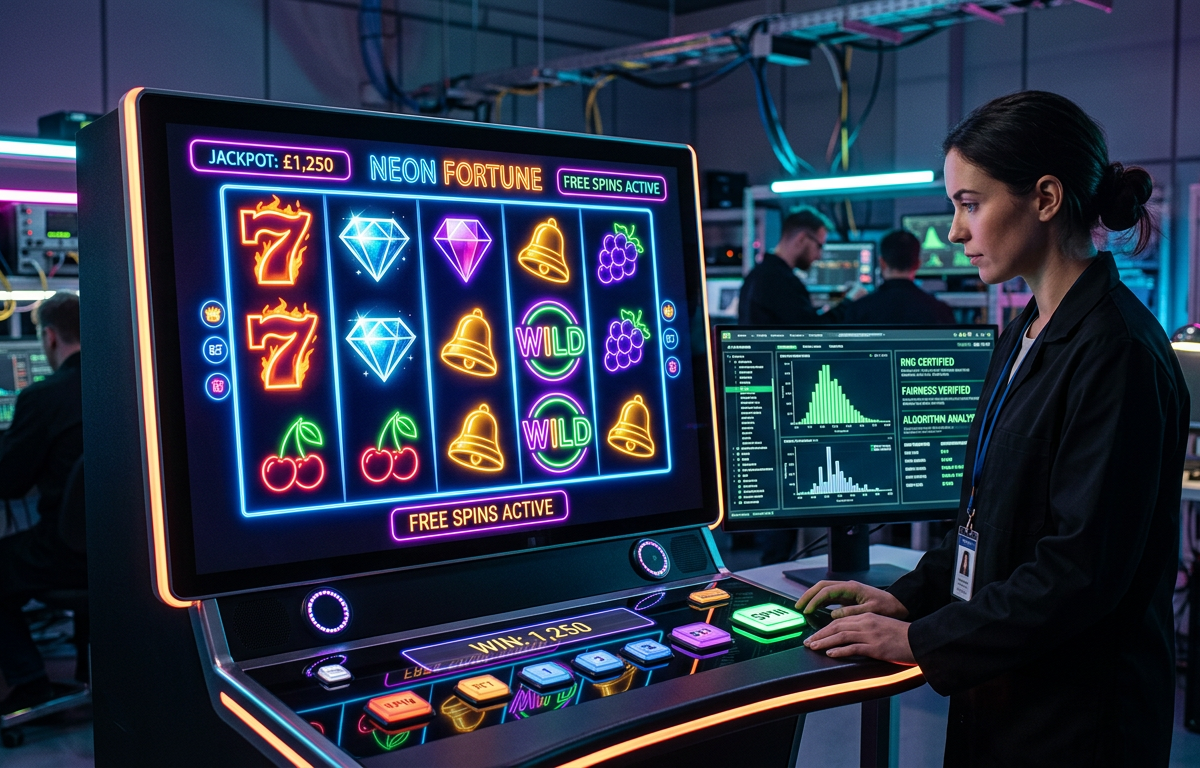
Every spin you make on a slot machine relies on complex algorithms and rigorous testing processes that happen far from the casino floor. Independent testing laboratories serve as the guardians of fairness in the gambling industry, ensuring that every Random Number Generator (RNG) operates according to strict mathematical standards. These facilities employ teams of mathematicians, software engineers, and compliance experts who work around the clock to protect players from potentially rigged games.
The certification process for slot machines involves months of intensive testing, statistical analysis, and compliance verification before a single game reaches players. Understanding how these labs operate provides crucial insight into the systems that protect your gaming experience and ensure that every spin offers a genuinely random outcome.
The Role of Independent Testing Laboratories
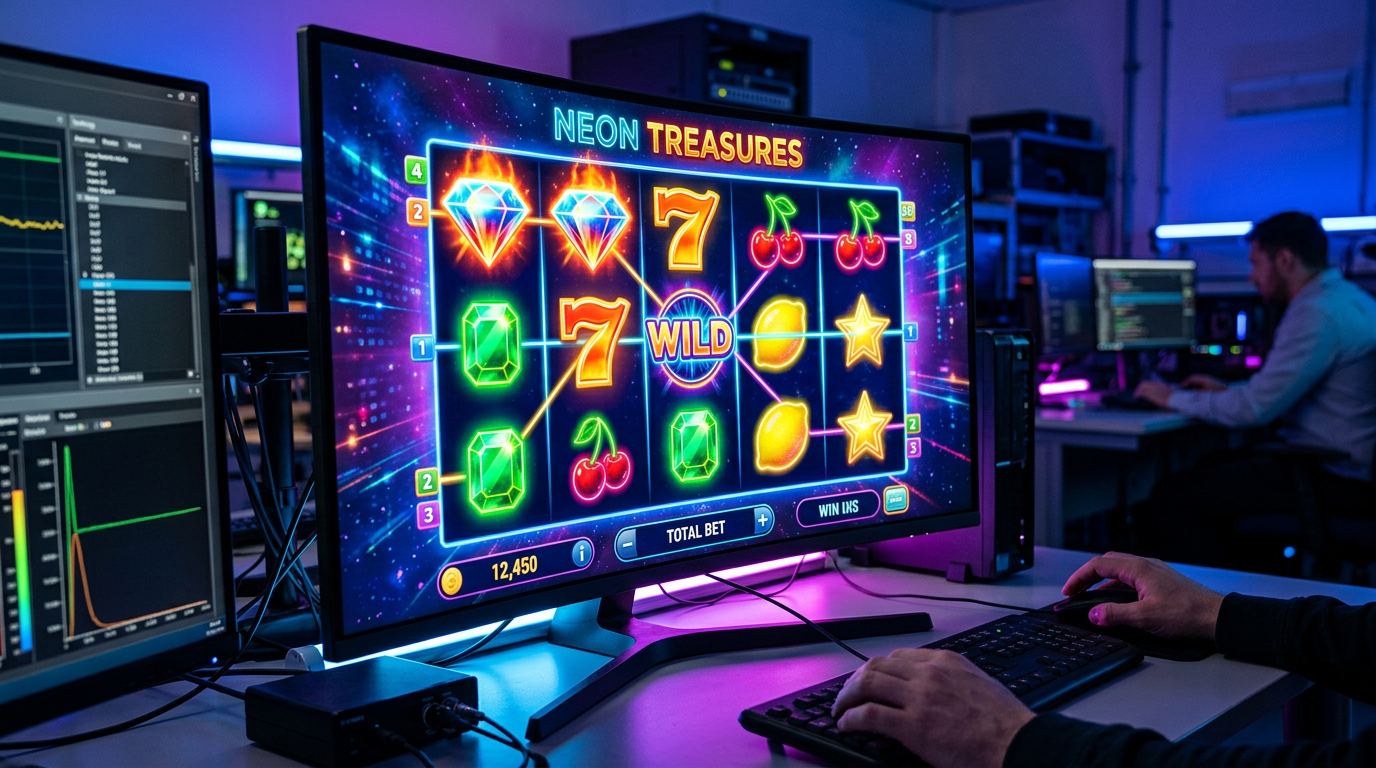
Independent testing laboratories function as neutral third parties between game developers and regulatory authorities. These organizations maintain strict independence from both casino operators and software providers to ensure unbiased evaluation of gaming systems. Major testing labs like eCOGRA, Gaming Laboratories International (GLI), and iTech Labs have built reputations spanning decades in the industry.
These laboratories employ highly specialized teams that understand both the technical aspects of gaming software and the regulatory requirements across different jurisdictions. Their primary responsibility involves verifying that slot machines operate exactly as advertised, with no hidden mechanisms that could disadvantage players.
The certification process typically costs game developers between $15,000 and $50,000 per title, depending on the complexity of the game and the number of jurisdictions where certification is required. This significant investment demonstrates the industry's commitment to maintaining player trust and regulatory compliance.
RNG Testing and Mathematical Analysis
Random Number Generators form the heart of every modern slot machine, determining the outcome of each spin through complex mathematical algorithms. Testing labs subject these systems to millions of simulated spins to verify that outcomes follow true random distribution patterns. The testing process examines whether the RNG produces results that match the game's advertised Return to Player (RTP) percentage within acceptable statistical variance.
Mathematicians at testing facilities use advanced statistical methods to analyze sequence patterns, ensuring that the RNG doesn't exhibit predictable cycles or biases. They test for phenomena like autocorrelation, where previous results might influence future outcomes, which would compromise the randomness essential to fair gaming.
The testing process also verifies that bonus features, free spins, and special symbols trigger at the correct mathematical frequencies. Labs run extended simulations spanning hundreds of millions of spins to ensure that advertised features actually occur within their specified probability ranges.
Statistical Significance Requirements
Testing laboratories apply rigorous statistical standards to determine whether an RNG operates within acceptable parameters. Most jurisdictions require confidence levels of 95% or higher, meaning that test results must demonstrate less than a 5% probability that observed deviations from expected outcomes occurred by chance alone.
The sample sizes used in testing vary based on the game's volatility and complexity. Low-volatility slots might require testing over 10 million spins, while high-volatility games with rare but significant bonus features may need analysis across 100 million or more simulated plays.
Testing labs also examine the distribution of wins across different bet levels to ensure that the RTP remains consistent regardless of the player's stake size. This prevents operators from offering worse odds to high-stakes players, a practice that would violate fairness standards in most regulated markets.
Source Code Analysis and Security Verification
Beyond mathematical testing, laboratories conduct comprehensive source code reviews to identify potential vulnerabilities or intentional manipulation mechanisms. Software engineers examine every line of code that affects game outcomes, looking for hidden functions, backdoors, or algorithms that could compromise fairness.
The code review process includes verification that the RNG seed generation uses approved cryptographic methods and that the software includes proper security measures to prevent external manipulation. Labs also check that the game's display accurately represents the underlying mathematical model, ensuring players see genuine representations of their chances.
Security testing extends to examining how the software handles edge cases, network interruptions, and potential hacking attempts. This comprehensive approach helps protect both players and operators from technical vulnerabilities that could compromise game integrity.
Compliance with International Standards
Different gambling jurisdictions maintain varying requirements for slot machine certification, creating a complex landscape that testing labs must navigate. The Malta Gaming Authority, UK Gambling Commission, and Nevada Gaming Control Board each impose specific technical standards that games must meet before receiving approval for their respective markets.
International standards like those established by the Gaming Standards Association (GSA) provide frameworks for consistent testing practices across jurisdictions. These standards cover everything from RNG requirements to display accuracy and responsible gambling features.
As the industry evolves, testing labs must stay current with emerging technologies and regulatory changes. The growth of branded slots featuring popular entertainment franchises requires additional verification that licensed content integrates properly with certified gaming mechanics, as seen in the rise of branded slots in 2026 with movie, music, and pop culture themes dominating casino lobbies.
Ongoing Monitoring and Recertification
Certification doesn't end when a slot machine first receives approval. Testing laboratories conduct ongoing monitoring to ensure that deployed games continue operating according to their certified specifications. This includes periodic audits of live gaming data and verification that software updates don't compromise previously certified functionality.
Many jurisdictions require annual recertification or re-testing when developers release significant updates to their games. This ongoing oversight helps maintain player confidence and ensures that technical changes don't inadvertently affect game fairness.
Player Protection Through Transparency
Modern testing standards emphasize transparency, requiring that players have access to key information about game mechanics and odds. Certified slots must display their RTP percentages, volatility ratings, and maximum win potentials in easily accessible formats.
Testing labs verify that help screens and paytables accurately reflect the game's mathematical model. They also ensure that promotional materials don't misrepresent the player's chances of winning or the frequency of bonus features.
The certification process includes verification of responsible gambling features, such as session timers, loss limits, and reality checks. These tools must function properly and be easily accessible to players who want to manage their gaming sessions.
Technology Evolution and Future Challenges
The gaming industry's rapid technological advancement presents ongoing challenges for testing laboratories. Virtual reality slots, blockchain-based gaming systems, and artificial intelligence integration require new testing methodologies and updated certification standards.
For more insights, check out our guide on Progressive Jackpots vs Fixed Jackpots – Payout Frequency, Value, and Which Is Better for You.
Testing labs are developing new protocols to handle these emerging technologies while maintaining the same rigorous standards for fairness and player protection. For instance, Pragmatic Play's 2026 roadmap includes VR experiments and new Megaways titles that will require innovative testing approaches to ensure these advanced features maintain certified fairness standards.
Cloud-based gaming platforms and mobile-optimized slots also present unique testing challenges, as laboratories must verify that games perform consistently across different devices and network conditions without compromising their certified mathematical properties.
Blockchain and Provably Fair Gaming
Blockchain technology introduces new possibilities for game verification, with some platforms offering "provably fair" gaming where players can independently verify the randomness of each spin. Testing labs are adapting their methodologies to evaluate these systems and ensure they provide the same level of player protection as traditional RNG-based games.
The integration of cryptocurrency payments and decentralized gaming platforms requires testing labs to expand their expertise beyond traditional gaming mathematics to include blockchain security and smart contract verification.
The Economic Impact of Certification
The slot testing and certification industry represents a significant economic segment, with global revenues exceeding $500 million annually. This investment in fairness verification helps maintain player confidence, which is essential for the continued growth of the legal gambling market.
Certification costs represent a small fraction of a game's development budget but provide essential credibility that allows operators to offer the game in regulated markets. The return on investment for proper certification often exceeds 1000% when considering the revenue potential across multiple jurisdictions.
Testing labs also contribute to market stability by identifying problematic games before they reach players, preventing the reputation damage and regulatory issues that could result from deploying faulty or unfair gaming systems.
Frequently Asked Questions
How long does slot machine certification typically take?
The certification process usually takes 6-12 weeks for standard slots, though complex games with multiple bonus features may require 3-4 months of testing. The timeline depends on the game's complexity, the number of jurisdictions requiring certification, and whether any issues are discovered during testing that require developer corrections.
Can players access certification reports for slot machines?
Most testing laboratories publish summary reports that include key information like RTP percentages, volatility ratings, and certification dates. However, detailed technical reports containing proprietary information about game mechanics are typically not made public to protect intellectual property and prevent potential exploitation.
What happens if a certified slot machine is found to be operating incorrectly?
If a certified game malfunctions or operates outside its approved parameters, testing labs and regulatory authorities can immediately suspend the game's certification. Operators must remove the game from service, and players affected by any malfunction are typically entitled to refunds or compensation according to local gambling regulations.
Do online and land-based slots undergo the same certification process?
While the core mathematical testing remains similar, online slots undergo additional security testing for network vulnerabilities, data protection, and mobile compatibility. Land-based slots require different hardware certifications and may have distinct testing requirements for their physical components and cabinet security features.
How do testing labs ensure their own independence and integrity?
Reputable testing laboratories maintain strict independence through several measures: they accept no ownership stakes from gaming companies, employ transparent testing methodologies, undergo regular audits by regulatory authorities, and maintain professional accreditation from international standards organizations. Many labs also publish annual transparency reports detailing their testing activities and certification statistics.
What role do artificial intelligence and machine learning play in modern slot testing?
Testing laboratories increasingly use AI and machine learning to analyze vast datasets from slot testing, identify subtle patterns that might indicate problems, and automate routine verification tasks. However, human experts still oversee critical decisions about game certification, as AI tools supplement rather than replace the mathematical expertise required for comprehensive fairness verification.