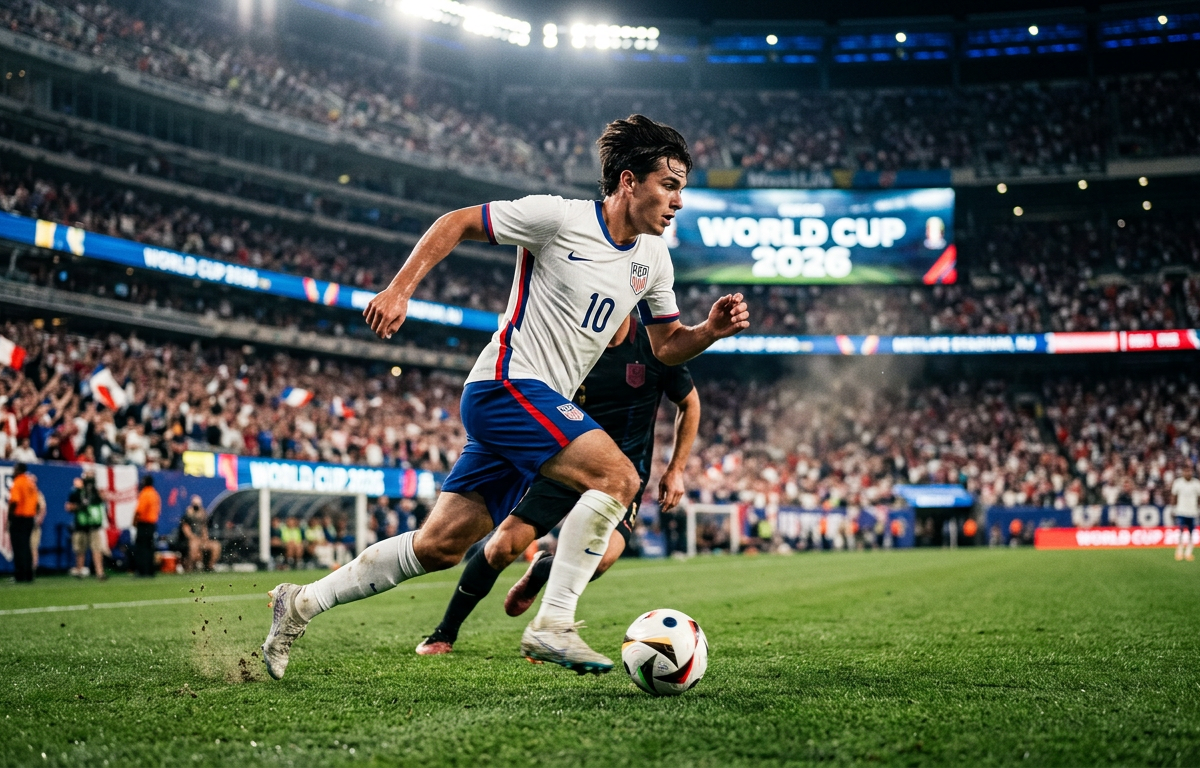
The 2026 FIFA World Cup promises to be a tournament of transition, where established legends begin to pass the torch to a new generation of footballing superstars. With the tournament expanding to 48 teams and being hosted across North America, the stage is perfectly set for young talent to emerge and capture the world's imagination.
Football's most promising young players are already making waves at the highest level, breaking records and redefining what it means to perform on the biggest stages. By 2026, these players will still be under 23 years old but will have accumulated invaluable experience that could propel them to World Cup glory.
The beauty of identifying future World Cup stars lies in watching their development unfold before our eyes. These players represent the perfect blend of raw talent, tactical intelligence, and mental fortitude that separates good players from generational talents.
The New Generation Takes Center Stage
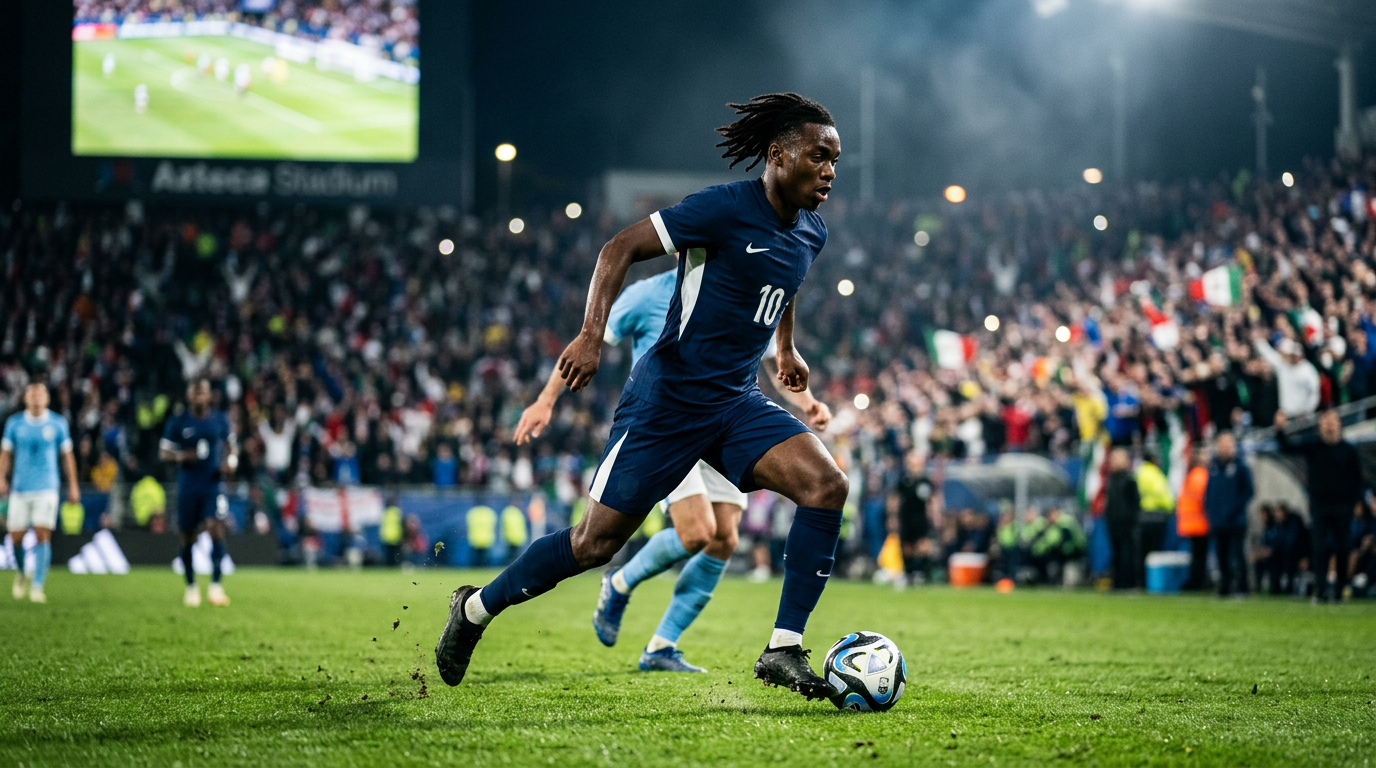
Modern football has witnessed an unprecedented acceleration in young player development. Today's teenagers are breaking into first teams earlier than ever before, thanks to improved academy systems, sports science, and tactical sophistication.
The 2026 World Cup will feature players born in 2003 and later, meaning they've grown up in an era of advanced football analytics, personalized training programs, and global exposure through social media. This generation possesses a football intelligence that often surpasses their years.
What makes these young stars particularly exciting is their fearlessness on the biggest stages. Unlike previous generations who might have needed years to adapt to international football, today's young players seem born ready for the spotlight.
Jude Bellingham (England) - The Complete Midfielder
Born in 2003, Jude Bellingham has already established himself as one of the world's premier midfielders. His move to Real Madrid in 2023 for £88.5 million demonstrated the faith top clubs have in his abilities.
Bellingham's versatility sets him apart from his peers. He can operate as a defensive midfielder, box-to-box player, or attacking midfielder with equal effectiveness. His physical presence, combined with exceptional technical skills and football IQ, makes him a complete package.
By 2026, Bellingham will be just 22 years old but will likely captain England. His leadership qualities and ability to perform in crucial moments suggest he could be the player to finally bring football home for England.
Pedri (Spain) - The Artistic Playmaker
Pedro González López, known as Pedri, represents the evolution of the classic Spanish playmaker. Born in 2002, he burst onto the scene with Barcelona and has become integral to Spain's national team setup.
Pedri's vision and passing ability remind many of legendary Spanish midfielders, but his press resistance and work rate make him perfectly suited to modern football. His performance at Euro 2020, where he won the Young Player of the Tournament award, showcased his readiness for major tournaments.
Spain's success at the 2026 World Cup may well depend on Pedri's ability to dictate tempo and create chances. His partnership with other young Spanish talents promises to continue La Roja's tradition of beautiful football.
Jamal Musiala (Germany) - The Unpredictable Dribbler
Jamal Musiala's decision to represent Germany over England has proven inspired for both player and country. Born in 2003, Musiala possesses the rare ability to change games through individual brilliance.
His low center of gravity and close ball control make him almost impossible to dispossess in tight spaces. Musiala's unpredictability creates chaos in opposition defenses, often drawing multiple defenders and creating space for teammates.
Germany's tactical evolution under their current coaching setup seems tailor-made for Musiala's skill set. By 2026, he could be the creative fulcrum around which Germany builds their World Cup challenge.
Endrick (Brazil) - The Next Selección Superstar
Endrick Felipe Moreira de Sousa represents the latest in Brazil's long line of prodigious attacking talents. Born in 2006, he'll be just 19 years old at the 2026 World Cup but has already shown remarkable maturity in his performances.
His clinical finishing and intelligent movement in the box have drawn comparisons to Brazilian legends. Endrick's ability to score from difficult angles and his composure under pressure suggest he's ready for international football's biggest stage.
With Carlo Ancelotti rebuilding Brazil ahead of the 2026 World Cup, Endrick could be the focal point of a new-look Brazilian attack that combines traditional flair with modern tactical discipline.
Warren Zaïre-Emery (France) - The Defensive Anchor
Warren Zaïre-Emery has emerged as one of Europe's most promising defensive midfielders. Born in 2006, his rapid rise through PSG's ranks demonstrates his exceptional talent and professionalism.
Despite his young age, Zaïre-Emery displays remarkable tactical maturity. His positioning, interceptions, and ability to break up play while maintaining possession make him ideal for France's system.
France's midfield depth is extraordinary, but Zaïre-Emery's unique skill set could make him indispensable by 2026. His ability to shield the defense while contributing to build-up play offers perfect balance.
Alejandro Garnacho (Argentina) - The Electric Winger
Alejandro Garnacho's explosive pace and direct running style have made him a Manchester United favorite and Argentina international. Born in 2004, he embodies the modern attacking winger.
Garnacho's ability to stretch defenses and create chances from wide positions adds a different dimension to Argentina's attack. His crossing and ability to cut inside provide multiple tactical options.
Argentina's current golden generation will still be competing in 2026, but Garnacho represents the future. His integration into the national team could help maintain Argentina's competitive edge as they defend their World Cup title.
Luka Vušković (Croatia) - The Defensive Prodigy
Luka Vušković has established himself as one of Europe's most promising center-backs. Born in 2007, he'll be just 18 years old at the 2026 World Cup but has already shown remarkable composure at senior level.
His reading of the game, aerial ability, and distribution from deep positions make him a modern center-back in every sense. Vušković's maturity belies his age, suggesting he could handle World Cup pressure.
Croatia's aging defense needs fresh blood, and Vušković could be the perfect solution. His emergence alongside other young Croatian talents suggests the nation's golden generation might have a worthy successor.
For more insights, check out our guide on Rivalry Renewed – The Biggest Derbies and Grudge Matches in European Football 2025/26.
Youssoufa Moukoko (Germany) - The Clinical Striker
Youssoufa Moukoko's goal-scoring record at youth level marked him as special from an early age. Born in 2004, he has the potential to become Germany's primary striker by 2026.
Moukoko's movement in the box and finishing ability set him apart from his peers. His understanding of space and timing of runs create numerous scoring opportunities.
Germany's striker position has been problematic in recent tournaments, but Moukoko could provide the solution. His development over the next two years will be crucial for Germany's World Cup hopes.
João Neves (Portugal) - The Box-to-Box Dynamo
João Neves has quickly established himself as one of Europe's most complete young midfielders. Born in 2004, his energy and technical ability make him perfect for Portugal's high-intensity style.
His work rate, pressing, and ability to contribute both defensively and offensively epitomize the modern midfielder. Neves' versatility allows him to adapt to different tactical systems seamlessly.
Portugal's midfield will likely undergo significant changes by 2026, and Neves could be the cornerstone of their new setup. His partnership with other young Portuguese talents promises an exciting future.
Mathys Tel (France) - The Versatile Attacker
Mathys Tel's rapid development at Bayern Munich has caught international attention. Born in 2005, his pace, dribbling, and finishing ability make him a complete attacking threat.
Tel's versatility across the front line provides tactical flexibility. He can play as a central striker, winger, or attacking midfielder with equal effectiveness, making him valuable for squad rotation.
France's attacking depth is remarkable, but Tel's unique skill set could earn him a spot in the 2026 squad. His development trajectory suggests he could be ready for major tournament football.
What Makes These Players Special
These young stars share several common characteristics that separate them from their peers. First, they all possess exceptional technical ability combined with strong physical attributes. Modern football demands players who can excel in multiple areas.
Mental strength represents another crucial factor. These players have already demonstrated their ability to perform under pressure, whether in Champions League matches, international fixtures, or crucial domestic games.
Their tactical intelligence also stands out. Unlike previous generations who might have relied purely on natural talent, these players understand positional play, pressing triggers, and game management from an early age.
The Impact of Modern Development
Today's young players benefit from advanced training methodologies that previous generations couldn't access. Sports science, nutrition, and recovery techniques have reached unprecedented sophistication levels.
Data analytics also play a crucial role in development. Players receive detailed feedback on every aspect of their performance, allowing for targeted improvement in specific areas.
The global nature of modern football means these players face diverse tactical approaches regularly. This exposure accelerates their learning and helps them adapt to different playing styles quickly.
Tournament Dynamics and Young Player Success
World Cup history shows that tournaments often belong to players who can handle pressure and deliver in crucial moments. Young players frequently thrive in this environment because they approach games without fear or preconceived limitations.
The greatest World Cup upsets of all time often feature young players who seized their moment on football's biggest stage, proving that age is no barrier to World Cup success when talent meets opportunity.
The 2026 World Cup's expanded format creates more opportunities for young players to gain experience and make their mark. Additional group stage matches mean more chances for squad rotation and player development.
Looking Ahead to 2026
The next two years will be crucial for these young players' development. Regular first-team football, international experience, and exposure to high-pressure situations will determine who reaches their full potential by 2026.
Club choices will also play a significant role. Players need to be in environments that challenge them while providing adequate playing time to develop their skills further.
The 2026 World Cup promises to be a showcase for the next generation of football superstars. These ten players represent just the tip of the iceberg, but their potential suggests we're in for a truly special tournament that could define the sport's future for years to come.
Frequently Asked Questions
Who will be the youngest player at the 2026 World Cup?
While the final squads won't be determined until 2026, players like Endrick (born 2006) and Luka Vušković (born 2007) could be among the youngest participants. The minimum age for World Cup participation is typically around 17-18 years old by tournament time.
How do young players typically perform in their first World Cup?
Young players often excel in their first World Cup because they approach the tournament without fear or pressure. Historical examples include Pelé in 1958, Michael Owen in 1998, and Kylian Mbappé in 2018, all of whom made significant impacts despite their youth.
Which countries have the best young talent heading into 2026?
France, England, Germany, Spain, and Brazil appear to have exceptional young talent pools. These nations have invested heavily in youth development and possess multiple players who could break through at the 2026 World Cup.
What position typically sees the most young breakout stars at World Cups?
Attacking positions, particularly wingers and attacking midfielders, often see the most young breakout stars. These positions allow for individual brilliance and flair that captures attention, though defensive talents like center-backs are becoming increasingly prominent.
How important is Champions League experience for young World Cup success?
Champions League experience is extremely valuable as it exposes young players to high-pressure situations and top-level opposition. Most successful young World Cup performers have significant European competition experience before their tournament breakthrough.
Can these young players really compete with established stars in 2026?
Absolutely. By 2026, many of these players will have 2-3 years of additional top-level experience. Football history shows that peak performance often comes in the early twenties, meaning these players could be entering their prime just as the tournament begins.