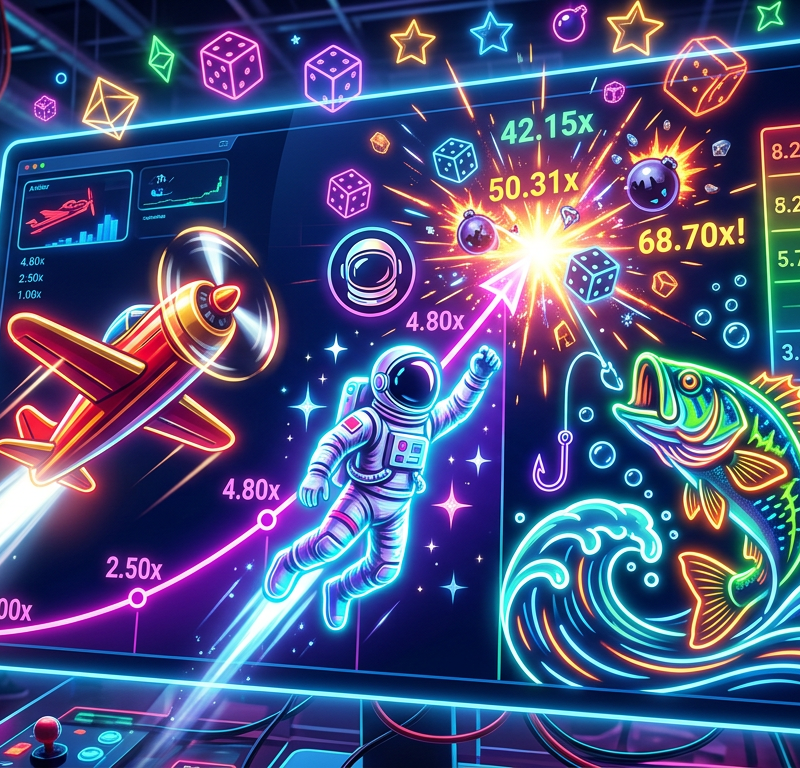

The world of mini casino games has undergone a remarkable transformation over the past decade and a half. What began as simple arcade-style entertainment has evolved into sophisticated digital experiences that captivate millions of players worldwide. From basic mechanical slots to interactive crash games and dynamic Plinko variations, the journey represents one of the most significant shifts in gaming entertainment.
This evolution reflects broader changes in technology, player preferences, and regulatory landscapes. Understanding this progression helps us appreciate how mini casino games became a dominant force in digital entertainment and what the future holds for this rapidly expanding sector.
The Arcade Foundation: Early 2010s Origins
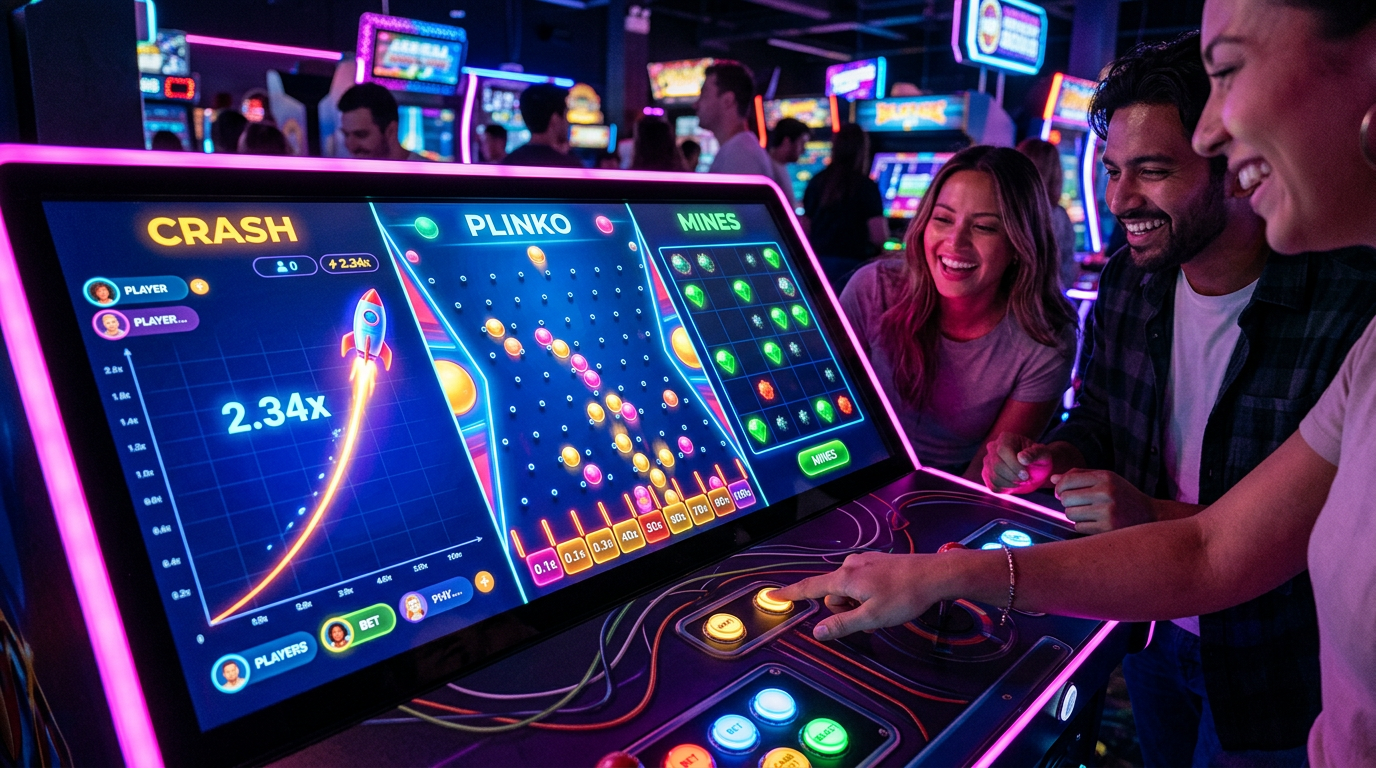
Mini casino games trace their roots to traditional arcade entertainment and early digital gaming platforms. In the early 2010s, these games were characterized by simple mechanics, basic graphics, and straightforward gameplay loops that required minimal learning curves.
The foundational elements included wheel-based games, simple slots, and basic card variations. These early iterations focused on accessibility rather than complexity, making them appealing to casual players who wanted quick entertainment without extensive rules or strategies.
Social gaming platforms like Facebook began incorporating these mini-games as secondary features within larger applications. Players could engage with simplified casino-style games without the commitment or complexity of traditional gambling experiences. This approach laid the groundwork for what would become a massive independent gaming category.
Mobile Revolution: Mid-2010s Transformation
The widespread adoption of smartphones fundamentally changed how mini casino games were designed and consumed. Mobile optimization became essential as developers recognized that touch interfaces offered new possibilities for interactive gameplay.
Game mechanics evolved to leverage mobile-specific features like tap-and-hold controls, swipe gestures, and device orientation changes. This period saw the introduction of more sophisticated animations, sound effects, and visual feedback systems that enhanced player engagement.
Free-to-play models with optional in-app purchases became the dominant monetization strategy. This approach allowed developers to reach broader audiences while generating revenue through cosmetic upgrades, additional attempts, or enhanced features rather than requiring upfront payments.
Technology Integration and User Experience
Advanced graphics engines enabled more sophisticated visual presentations without compromising mobile performance. Games began incorporating particle effects, smooth animations, and responsive interfaces that rivaled console gaming experiences.
Cross-platform compatibility became standard, allowing players to seamlessly transition between mobile devices, tablets, and desktop computers while maintaining their progress and preferences. This continuity significantly improved user retention and engagement rates.
The Rise of Crash Games: Late 2010s Innovation
Crash games emerged as one of the most significant innovations in mini casino gaming during the late 2010s. These games introduced real-time multiplayer elements and social interaction features that were previously uncommon in the space.
The core mechanic involves watching a multiplier increase while deciding when to cash out before the inevitable crash. This creates intense psychological tension and requires split-second decision-making that appeals to players seeking more engaging experiences than traditional static games.
Live chat features and multiplayer lobbies transformed solitary gaming into social experiences. Players could observe others' strategies, celebrate wins together, and develop communities around shared gaming preferences.
Psychological Appeal and Game Design
Crash games tap into fundamental psychological principles including risk assessment, timing decisions, and social proof. The visible presence of other players creates additional layers of excitement and validation that enhance the overall experience.
Variable ratio reinforcement schedules built into crash mechanics create strong engagement patterns. The unpredictable nature of crash timing ensures that players remain attentive and invested in each round.
Plinko's Digital Renaissance: 2020s Popularity
Plinko experienced a remarkable revival in the digital gaming space during the early 2020s. Originally a game show fixture, digital versions transformed the concept into highly engaging mini casino experiences with numerous variations and enhancement possibilities.
Modern Plinko implementations feature customizable boards, multiple ball drops, and sophisticated physics engines that create realistic ball movement patterns. These technical improvements make each drop feel unique and maintain player interest across extended sessions.
The visual appeal of watching balls navigate through peg arrangements creates a meditative quality that differentiates Plinko from more intense gaming experiences. This makes it particularly attractive to players seeking relaxing entertainment options.
For those interested in understanding the specific differences between these popular formats, comparing crash games and Plinko reveals distinct advantages in speed, engagement levels, and payout mechanics that appeal to different player preferences.
Modern Platform Integration: 2020-2024
The integration of mini casino games into larger entertainment platforms marked a significant shift in how these experiences are accessed and consumed. Rather than standalone applications, games became embedded features within comprehensive gaming ecosystems.
Streaming integration allowed players to broadcast their gaming sessions, creating new forms of entertainment content and community engagement. This development transformed mini casino games from private entertainment into shared social experiences with broader cultural impact.
For more insights, check out our guide on The Viktor Gyökeres Effect – How Sweden's Striker Carried His Country to the World Cup.
Advanced analytics and personalization systems began tailoring game recommendations and features to individual player preferences. Machine learning algorithms analyze playing patterns to suggest optimal game types, bet levels, and session timing.
Regulatory Adaptation and Compliance
As mini casino games gained popularity, regulatory frameworks evolved to address concerns about accessibility, fairness, and responsible gaming practices. Developers implemented sophisticated age verification systems, spending limits, and self-exclusion tools to comply with emerging regulations.
Transparency requirements led to the implementation of provably fair systems that allow players to verify the randomness and integrity of game outcomes. These technical solutions built trust while maintaining the excitement that drives player engagement.
The growing awareness of youth gambling risks in the digital age has prompted important discussions about early exposure to gaming mechanics and the need for family awareness regarding these evolving entertainment formats.
Technological Innovations: AI and Blockchain Integration
Artificial intelligence has revolutionized game design through procedural content generation, creating unique variations of classic games that maintain core appeal while offering fresh experiences. AI-driven opponent systems in multiplayer games provide consistent challenge levels that adapt to player skill development.
Blockchain technology introduced new possibilities for game transparency, asset ownership, and cross-platform value transfer. Smart contracts automate payout systems and ensure that game mechanics operate exactly as advertised without potential for manipulation.
Virtual and augmented reality experiments began exploring immersive versions of traditional mini casino games. While still in early stages, these technologies promise to transform how players interact with familiar game mechanics through spatial computing interfaces.
Current Trends and Market Analysis
The mini casino games market has experienced explosive growth, with industry analysts estimating the sector reached $8.2 billion in 2023. This represents a 340% increase from 2018 figures, indicating sustained player interest and platform investment in the category.
Social features continue driving engagement, with multiplayer rooms, tournaments, and leaderboard competitions becoming standard offerings. Community-building tools help platforms retain players by fostering relationships that extend beyond individual gaming sessions.
Gamification elements borrowed from mobile gaming include achievement systems, daily challenges, and progression mechanics that encourage regular play. These features create meta-games around the core casino experiences, adding layers of motivation and accomplishment.
Emerging Game Mechanics
Hybrid games combining elements from different traditional formats have gained popularity. Examples include crash-style games with Plinko physics or slot mechanics enhanced with real-time multiplayer decision points.
Skill-based elements are being incorporated into traditionally luck-based games, allowing experienced players to influence outcomes through timing, pattern recognition, or strategic choices. This development appeals to competitive players seeking more agency in their gaming experiences.
Future Projections: 2025-2026 and Beyond
Industry forecasts suggest continued expansion through 2026, with particular growth expected in mobile-first markets and emerging economies where smartphone adoption continues accelerating. New platform integrations with social media, messaging apps, and entertainment services will likely expand player access points.
Artificial intelligence will enable more sophisticated personalization, creating game variations tailored to individual preferences, risk tolerance levels, and engagement patterns. This customization could make generic game categories obsolete in favor of individually optimized experiences.
Cross-reality gaming experiences may bridge physical and digital environments, allowing players to engage with mini casino games through augmented reality overlays in real-world locations or virtual reality social spaces that simulate traditional casino atmospheres.
Sustainability and Responsible Gaming
Future developments will likely emphasize sustainable gaming practices, including better tools for spending management, session time limits, and emotional state monitoring. Technology solutions may proactively identify concerning play patterns and suggest healthier alternatives.
Educational integration could see mini casino games used as tools for teaching probability, statistics, and financial decision-making in controlled, low-risk environments that maintain entertainment value while providing learning opportunities.
Cultural Impact and Social Considerations
Mini casino games have influenced broader gaming culture, introducing casino-style mechanics into mainstream video games through loot boxes, gacha systems, and reward structures. This cross-pollination has shaped player expectations across the entire gaming industry.
The social aspects of modern mini casino games have created new forms of online community formation, with players organizing around favorite games, sharing strategies, and developing informal mentorship relationships that extend beyond gaming contexts.
Economic impacts include new career opportunities in game development, community management, content creation, and streaming entertainment focused specifically on mini casino gaming content.
The evolution of mini casino games from simple arcade origins to sophisticated modern experiences reflects broader technological and cultural shifts in digital entertainment. As we look toward 2026 and beyond, continued innovation in game mechanics, platform integration, and responsible gaming practices will likely drive further growth and development in this dynamic sector.
Frequently Asked Questions
What are mini casino games and how do they differ from traditional casino games?
Mini casino games are simplified, quick-play versions of traditional casino experiences designed for casual entertainment. They typically feature shorter session times, simpler rules, and mobile-optimized interfaces compared to full casino games. These games focus on accessibility and instant gratification rather than complex strategies or extended gameplay sessions.
When did crash games first appear in the mini casino gaming space?
Crash games emerged in the late 2010s, with the first popular versions appearing around 2017-2018. They gained significant popularity by 2019-2020 as developers recognized their potential for creating engaging, social gaming experiences that combined real-time decision-making with multiplayer elements.
How have mobile devices influenced the development of mini casino games?
Mobile devices revolutionized mini casino games by requiring touch-optimized interfaces, shorter session designs, and simplified mechanics suitable for on-the-go play. The shift to mobile also enabled location-independent gaming, social integration through messaging platforms, and the adoption of free-to-play monetization models that broadened player accessibility.
What role does artificial intelligence play in modern mini casino games?
AI enhances mini casino games through personalized game recommendations, adaptive difficulty systems, and procedural content generation that creates unique variations of classic games. AI also powers fraud detection systems, responsible gaming monitoring tools, and chatbots that provide customer support and community management features.
Are mini casino games regulated differently than traditional online gambling?
Regulation varies significantly by jurisdiction, but mini casino games often fall into different categories than traditional gambling, especially when they use virtual currencies or focus on entertainment rather than monetary winnings. Many regions are still developing specific frameworks for these games, leading to a complex and evolving regulatory landscape.
What trends are expected to shape mini casino games through 2026?
Expected trends include increased integration with social platforms, enhanced personalization through AI, blockchain-based transparency systems, and potential virtual/augmented reality implementations. The focus will likely shift toward more sophisticated social features, responsible gaming tools, and cross-platform compatibility as the market matures.