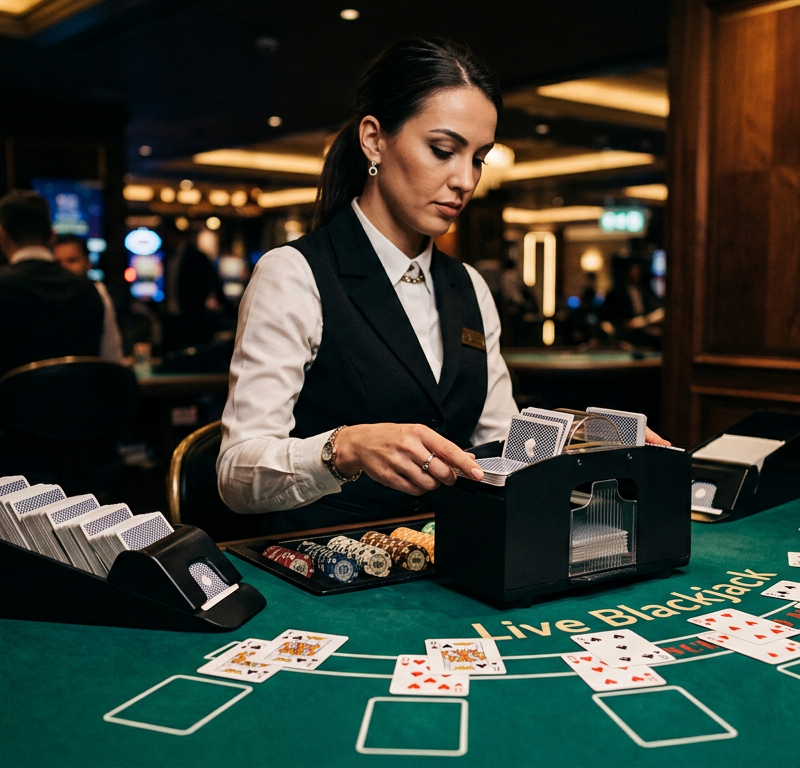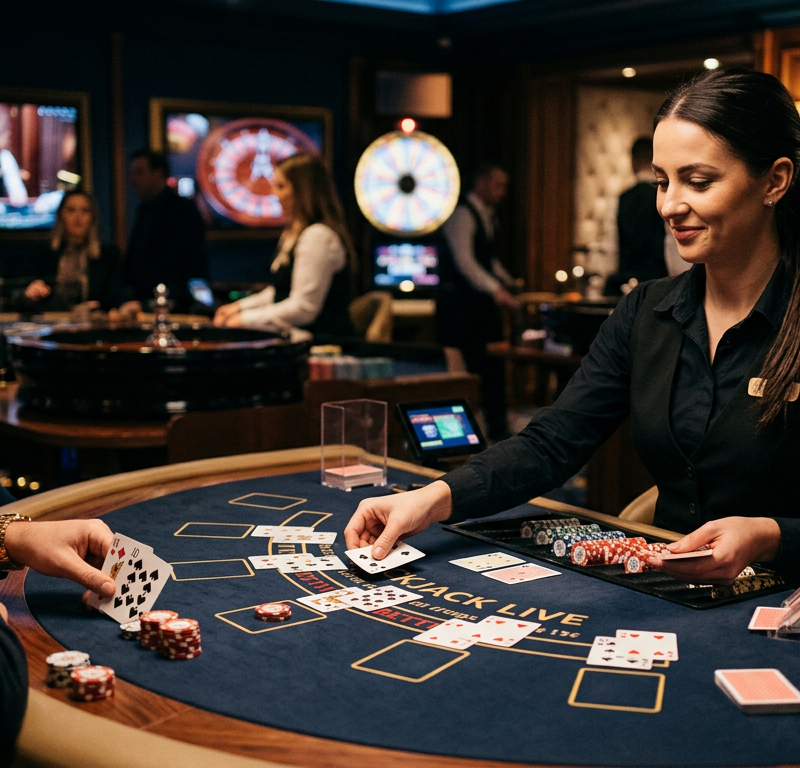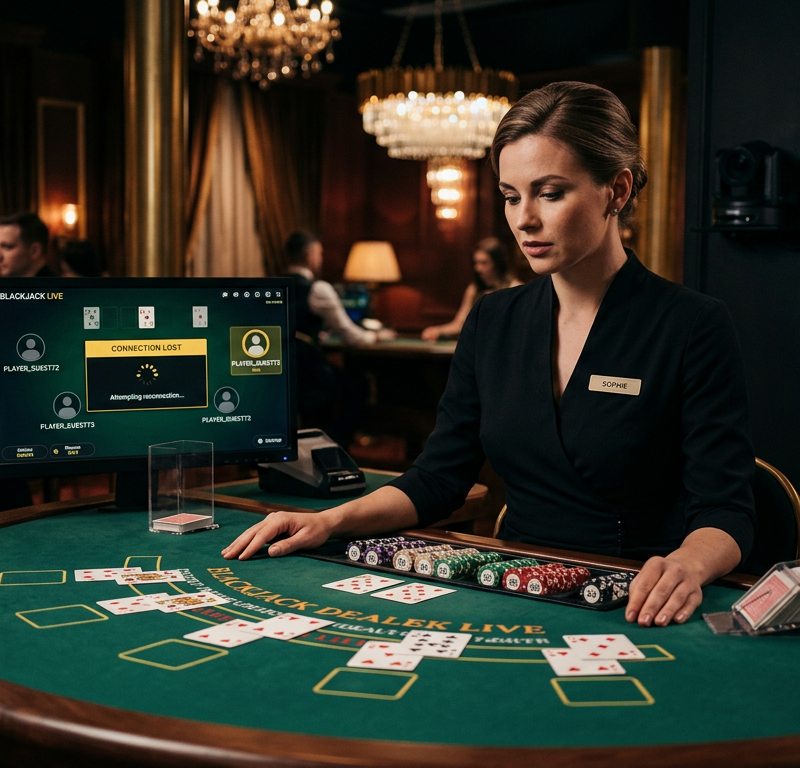
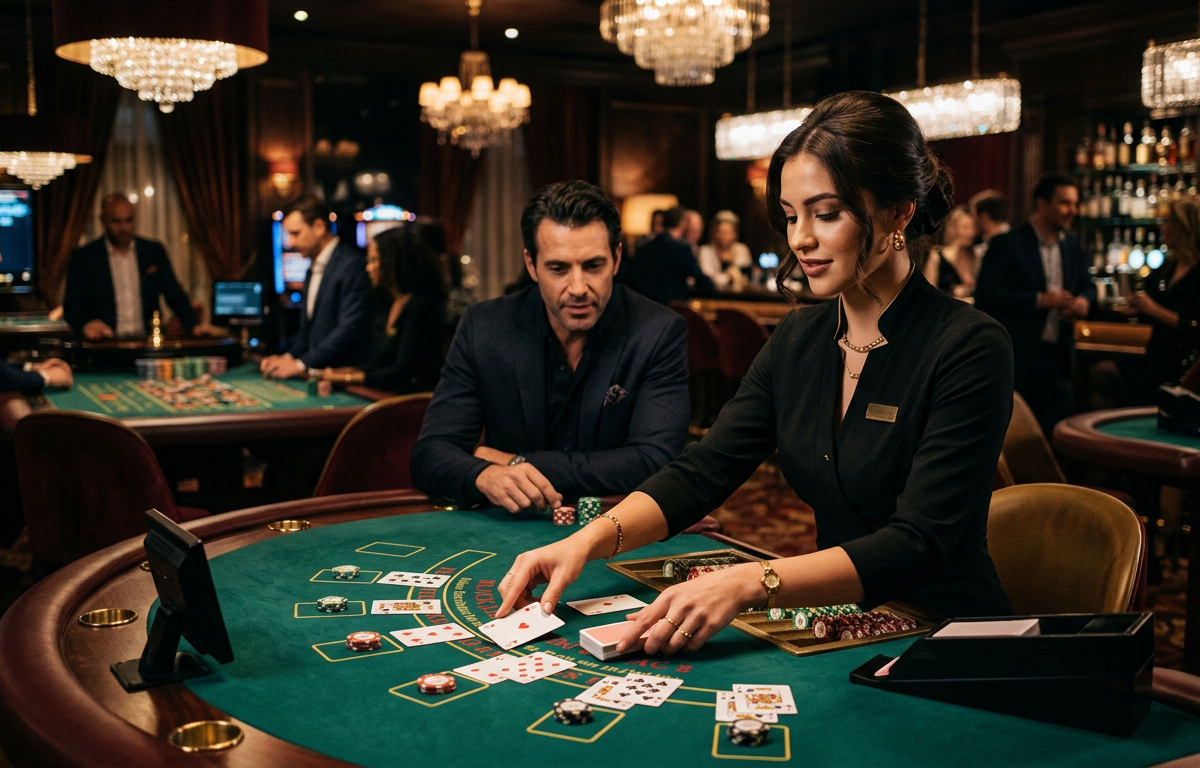
The statistics are striking: players engaging with live dealer games consistently spend 30-50% more time at virtual tables compared to their RNG (Random Number Generator) counterparts. This isn't just coincidence or marketing hype – it's a fascinating glimpse into human psychology and how our brains respond to different gaming environments.
Understanding why live dealer games create such powerful engagement reveals deeper truths about human nature, social connection, and the psychological triggers that keep us invested in digital experiences. The gap between live dealer and RNG engagement isn't just about preference – it's about fundamental psychological needs being met in ways that automated systems simply cannot replicate.
The Human Connection Factor

At the core of extended live dealer engagement lies our fundamental need for human connection. When players interact with a live dealer, they're not just playing a game – they're participating in a social experience that mirrors real-world casino interactions.
Research in behavioral psychology shows that human faces trigger powerful engagement mechanisms in our brains. The dealer's smile, their verbal acknowledgments, and even their small talk create a sense of personal connection that's completely absent from RNG games. This connection activates the brain's reward centers in ways that go far beyond the game mechanics themselves.
Players report feeling "seen" and "acknowledged" in live dealer games. When a dealer remembers a player's preferred betting patterns or offers congratulations on a win, it creates a personalized experience that builds emotional investment. This emotional investment translates directly into longer session times as players become reluctant to leave what feels like a genuine social interaction.
The Trust and Transparency Advantage
One of the most significant psychological barriers in RNG games is the "black box" problem. Players can see the results but never witness the process. This invisible mechanism can create subconscious anxiety and skepticism, even when the RNG systems are perfectly fair and certified.
Live dealer games eliminate this psychological barrier entirely. Players can watch cards being shuffled, balls being spun, and dice being rolled in real-time. This transparency creates a profound sense of trust that keeps players comfortable and engaged for extended periods.
The psychological concept of "perceived control" plays a crucial role here. Even though players have no more actual control over outcomes in live dealer games, the ability to witness the entire process gives them a sense of participation and influence that RNG games cannot provide. This perceived control reduces anxiety and increases confidence, leading to longer gaming sessions.
Immersive Environment Psychology
Live dealer studios are carefully designed to replicate the sensory richness of physical casinos. The ambient sounds, professional lighting, and elegant table settings create an immersive environment that engages multiple senses simultaneously.
Neuroscience research indicates that multi-sensory experiences create stronger memory formation and emotional engagement. When players can hear the dealer's voice, see the authentic casino equipment, and observe the physical randomization process, their brains process the experience as more "real" and therefore more engaging.
This sensory richness also triggers what psychologists call "presence" – the feeling of actually being in the casino environment. Live dealer roulette in 2026 has become the most popular online casino game precisely because it creates this sense of presence more effectively than any other online casino format.
Social Proof and Community Dynamics
Live dealer games often feature chat functions that allow players to interact not just with dealers but with each other. This creates a community dynamic that's entirely absent from RNG games. Players share in collective excitement during big wins and commiserate during losing streaks.
The psychological principle of social proof becomes particularly powerful in these environments. When players see others celebrating wins or making certain betting decisions, it validates their own choices and encourages continued participation. This community aspect transforms individual gaming into a shared social experience.
Players frequently report that they stay longer in live dealer games because they feel part of something larger than themselves. The shared experience with other players and the dealer creates social bonds that make leaving feel like abandoning friends or missing out on community moments.
Pacing and Psychological Breathing Room
RNG games operate at lightning speed, with results appearing instantly upon clicking. While this might seem advantageous, it can actually create psychological fatigue and decision overwhelm. The brain needs time to process outcomes and make thoughtful decisions.
Live dealer games operate at human speed, with natural pauses between rounds that give players time to think, chat, and emotionally process their experiences. This pacing aligns with natural human psychological rhythms and reduces the mental fatigue that can drive players away from faster-paced RNG alternatives.
The built-in breaks also allow for what psychologists call "micro-recovery" – brief moments where the brain can reset and prepare for the next decision. This reduces cognitive load and allows for longer, more sustainable gaming sessions.
The Ritual and Ceremony Element
Live dealer games maintain the ceremonial aspects of casino gaming that RNG games strip away. The shuffling of cards, the spinning of wheels, and the rolling of dice all carry ritualistic weight that appeals to deep psychological needs for ceremony and tradition.
These rituals create anticipation and build tension in ways that instant RNG results cannot. The psychological buildup during the dealer's preparation increases emotional investment in each outcome. Players become more attached to results they've watched develop rather than those that appear instantaneously.
This ceremonial aspect also satisfies our psychological need for meaningful experiences. While the evolution of mini casino games has brought us quick arcade-style entertainment, live dealer games provide the gravitas and ceremony that make gaming feel significant rather than casual.
Emotional Regulation and Comfort
Professional live dealers are trained to manage the emotional climate of their tables. They know when to offer encouragement, when to maintain neutral professionalism, and how to help players feel comfortable regardless of their results.
This emotional support system doesn't exist in RNG games, where players must manage their psychological state entirely alone. The dealer's presence provides emotional regulation that helps players stay calm and focused, even during challenging streaks.
Players often describe live dealers as having a calming influence that helps them make better decisions and maintain emotional equilibrium. This psychological support translates directly into longer gaming sessions as players feel more comfortable and less stressed.
The Novelty and Unpredictability Factor
While RNG games can feel repetitive and mechanical, live dealer games introduce genuine unpredictability through human elements. Dealers have personalities, make casual conversation, and bring their own energy to each session.
For more insights, check out our guide on The Psychology of Chasing Losses – Why It Happens and a Practical Framework to Break the Cycle.
This human unpredictability keeps players curious and engaged. They might stay longer just to see how a dealer's personality unfolds or to participate in interesting conversations that develop organically during play.
The novelty factor also extends to the physical casino environment that players can observe through the stream. Watching the behind-the-scenes operations of a real casino provides ongoing entertainment value beyond the games themselves.
Psychological Investment and Loss Aversion
The social bonds formed with dealers and other players create psychological investment that makes leaving more difficult. Players develop a sense of loyalty to their preferred dealers and feel genuine connection to the gaming community.
This investment triggers loss aversion – the psychological principle that people fear losing something they already have more than they desire gaining something new. Players don't want to lose their connection with the dealer or miss out on social interactions they've begun to value.
The investment extends beyond social connections to the emotional energy players put into watching and participating in the ceremonial aspects of live games. Having invested time and attention in the process, players become reluctant to abandon that investment.
Future Implications for Online Gaming
Understanding these psychological drivers has profound implications for the future of online gaming. As technology advances, we can expect to see even more sophisticated approaches to creating human connection and social presence in digital environments.
Virtual reality and augmented reality technologies are already beginning to enhance the immersive qualities that make live dealer games so engaging. These developments will likely further increase the engagement gap between human-centered and automated gaming experiences.
The success of live dealer games demonstrates that despite our increasing digital sophistication, fundamental human psychological needs remain unchanged. Players crave connection, trust, ceremony, and community – elements that technology must thoughtfully incorporate rather than replace.
Frequently Asked Questions
What specific psychological factors make live dealer games more engaging than RNG games?
The primary factors include human connection with dealers, increased trust through transparency, immersive multi-sensory environments, social proof from community interaction, natural pacing that reduces cognitive fatigue, and ceremonial elements that create emotional investment. These combine to create a more psychologically satisfying experience that keeps players engaged 30-50% longer.
Do live dealer games actually offer better odds than RNG games?
Live dealer games and RNG games typically offer the same mathematical odds and house edges. The difference isn't in the fairness or odds, but in the psychological experience and engagement level. Players stay longer not because they have better chances of winning, but because the experience itself is more psychologically rewarding.
How do dealers contribute to longer gaming sessions?
Professional dealers provide emotional regulation, create personal connections through acknowledgment and conversation, maintain the ceremonial aspects of gaming, and offer a human presence that reduces anxiety and builds trust. Their personality and interaction style directly influence how comfortable and engaged players feel during their sessions.
Is the 30-50% longer engagement time consistent across all live dealer games?
While the overall trend holds true, engagement varies by game type. Live roulette and blackjack typically show the highest engagement increases due to their social nature and strategic elements. Live baccarat shows moderate increases, while games with less player interaction may show smaller but still significant engagement improvements over their RNG counterparts.
Can RNG games be modified to capture some of these psychological benefits?
Some developers are experimenting with adding social features, chat functions, and more elaborate visual presentations to RNG games. However, the fundamental human connection and trust elements are difficult to replicate without actual human dealers. The most successful approaches combine RNG efficiency with some human elements, though they rarely match pure live dealer engagement levels.
What role does technology play in enhancing live dealer psychology?
Advanced streaming technology, multiple camera angles, and high-quality audio all contribute to the immersive experience that drives engagement. Emerging technologies like VR and AR are beginning to enhance the psychological presence even further, while chat features and personalization tools strengthen the social connection aspects that keep players engaged longer.