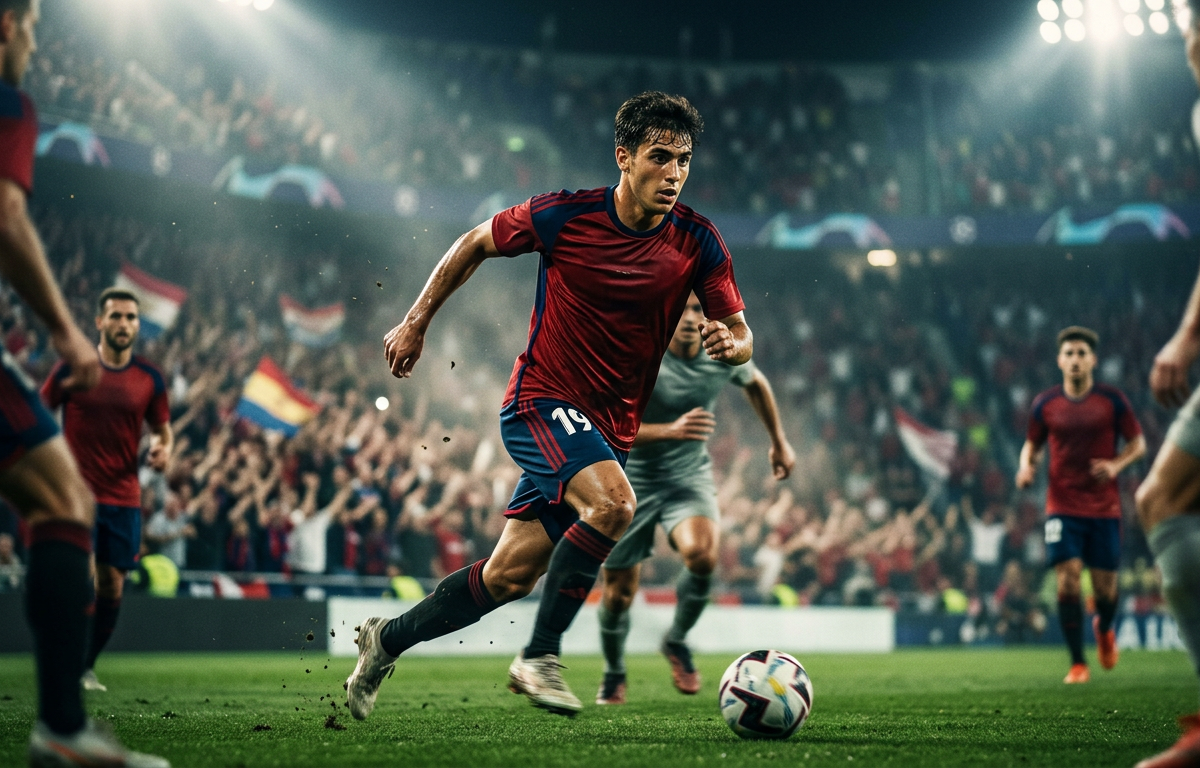
Spain's football factory continues to produce exceptional talent, and La Liga remains the primary breeding ground for the next generation of international stars. With the 2026 FIFA World Cup on the horizon, several young Spanish players are positioning themselves as future pillars of the national team.
The Spanish national team has undergone a significant transformation since their golden era of 2008-2012. While veterans like Sergio Busquets and Gerard Pique have stepped away from international football, a new wave of talent is emerging from Spain's top clubs, ready to carry the torch forward.
The Evolution of Spanish Football Talent
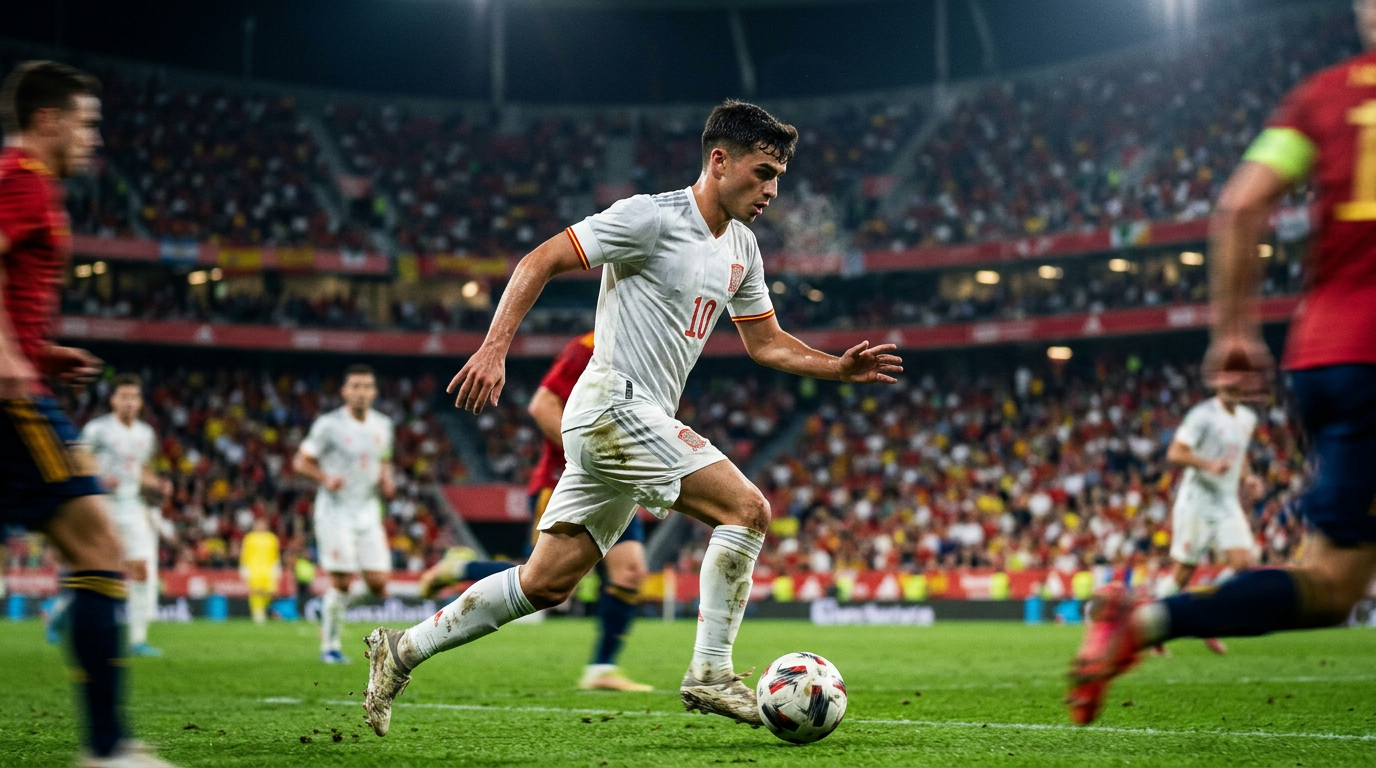
La Liga has consistently served as the launching pad for Spain's most successful international players. From Barcelona's academy graduates to Real Madrid's rising stars, Spanish clubs have perfected the art of developing technically gifted players who excel on the world stage.
The current Spanish setup under Luis de la Fuente emphasizes youth integration, with several players under 25 already establishing themselves in the senior squad. This approach ensures continuity and builds experience ahead of major tournaments.
Spain's recent success in the UEFA Nations League and their strong showing at Euro 2024 demonstrated that the transition period is nearly complete. The blend of experienced campaigners and emerging talent has created a balanced squad capable of competing at the highest level.
Five Rising Stars Ready for 2026
1. Pedri González (FC Barcelona)
At just 21 years old, Pedri has already established himself as one of Europe's most promising midfielders. The Barcelona star has accumulated over 50 appearances for club and country, showcasing maturity beyond his years.
Pedri's technical ability and vision make him an ideal successor to the legendary midfield trio of Xavi, Iniesta, and Busquets. His performances in high-pressure situations, including Champions League knockout matches and international tournaments, demonstrate his readiness for the world stage.
The Canary Islands native recorded 2 goals and 6 assists in 35 La Liga appearances during the 2023-24 season, while maintaining a pass accuracy of 91%. His ability to control tempo and create opportunities will be crucial for Spain's attacking transitions in 2026.
2. Gavi (FC Barcelona)
Pablo Martín Páez Gavira, known simply as Gavi, represents the future of Spanish football. Despite being born in 2004, he has already earned over 25 international caps and played pivotal roles in major tournaments.
Gavi's energy and pressing intensity complement Pedri's more measured approach perfectly. His ability to win possession in dangerous areas and drive forward with the ball makes him invaluable in modern football's high-intensity environment.
The midfielder's recovery from a serious knee injury in late 2023 has only strengthened his resolve. His return to full fitness ahead of the 2026 World Cup cycle positions him as a key figure in Spain's midfield revolution.
3. Alejandro Balde (FC Barcelona)
Left-back positions have often been problematic for Spain, but Alejandro Balde offers a long-term solution. The 20-year-old has emerged as Barcelona's first-choice left-back and earned his international debut in 2022.
Balde's pace and attacking threat down the flank provide width that modern Spanish football demands. His defensive solidity has improved significantly under Xavi's guidance, making him a complete full-back option.
With 43 La Liga appearances and 3 assists in the 2023-24 season, Balde demonstrated consistency at the highest level. His ability to contribute in both phases of play makes him an ideal fit for Spain's possession-based system.
4. Nico Williams (Athletic Bilbao)
Athletic Bilbao's winger represents everything positive about Spanish football development. Nico Williams combines traditional Spanish technical skills with explosive pace and direct running that can unlock tight defenses.
The 22-year-old's breakout performances at Euro 2024 announced him as a genuine international star. His ability to beat defenders one-on-one and deliver quality crosses makes him a constant threat in wide positions.
Williams scored 8 goals and provided 19 assists across all competitions in the 2023-24 season, establishing himself as one of La Liga's most productive wingers. His partnership with his brother Iñaki for club and potential future collaboration for Spain adds an intriguing dynamic.
5. Fermín López (FC Barcelona)
Perhaps the most surprising inclusion, Fermín López has rapidly ascended from Barcelona's youth system to international recognition. The versatile midfielder earned his Spain debut in 2024 and immediately impressed with his work rate and technical ability.
López's ability to play multiple midfield positions provides tactical flexibility that modern coaches value. His pressing intensity and ball-carrying ability make him an ideal player for Spain's high-tempo approach.
The 21-year-old scored 11 goals in 31 La Liga appearances during the 2023-24 season, demonstrating his ability to contribute in the final third. His rapid development suggests he could become a key figure by 2026.
Tactical Implications for Spain's 2026 Campaign
These young talents bring specific qualities that could reshape Spain's tactical approach. The combination of Pedri's creativity, Gavi's intensity, and López's versatility creates multiple midfield combinations for different opponents.
Balde's attacking thrust from left-back allows Spain to maintain width while keeping possession centrally. This tactical flexibility will be crucial when facing different styles of play in the expanded 48-team World Cup format.
For more insights, check out our guide on Plinko Strategy Guide – Risk Levels, Row Settings, and Bankroll Tips for Every Player Type.
Nico Williams provides the direct threat that sometimes lacked in Spain's possession-heavy approach. His ability to stretch defenses and create space for central players adds a new dimension to Spanish attacks.
The upcoming World Cup group stage dynamics will test how well these young players adapt to different tactical challenges and pressure situations on football's biggest stage.
Development Pathways and Club Influence
Barcelona's academy continues to dominate Spanish talent production, with four of these five players emerging from La Masia or developing significantly at the club. This concentration of talent at one club creates natural chemistry and understanding between players.
Athletic Bilbao's unique Basque-only policy has produced Nico Williams, demonstrating that alternative development models can still compete with larger academies. This diversity in development approaches strengthens Spanish football overall.
The players' exposure to high-level European competition through Champions League and Europa League participation accelerates their development and prepares them for international pressure.
Challenges and Competition
These young stars face competition from established players like Rodri, Fabián Ruiz, and Dani Olmo, who will likely remain key figures in 2026. The challenge lies in integrating youth with experience effectively.
Injury concerns, particularly Gavi's recent knee problems, highlight the fragility of young careers. Managing player workloads and ensuring proper recovery will be crucial for their World Cup availability.
The pressure of representing Spain at a World Cup brings unique challenges. These players must demonstrate mental strength alongside their technical abilities to succeed on football's biggest stage.
Future Prospects and Impact
Spain's investment in youth development appears well-timed for the 2026 World Cup cycle. These players will be entering their prime years, combining experience with physical peak performance.
The expanded World Cup format potentially benefits Spain, as their technical superiority and possession-based style can wear down opponents over longer tournaments. These young players' energy and fitness levels support this approach.
Success in 2026 would establish this generation as worthy successors to Spain's golden era. Their development over the next two years will determine whether Spain can reclaim their position as world football's dominant force.
Frequently Asked Questions
Which young Spanish player has the highest World Cup potential?
Pedri currently shows the highest World Cup potential due to his proven international experience, technical excellence, and leadership qualities despite his young age. His performances in major tournaments and consistency at club level make him Spain's most reliable young talent.
How has Barcelona's academy influenced Spain's national team development?
Barcelona's La Masia academy has produced four of these five rising stars, continuing a tradition that previously gave Spain players like Xavi, Iniesta, and Busquets. The academy's emphasis on technical skills and possession-based football aligns perfectly with Spain's national team philosophy.
What tactical changes might these young players bring to Spain's style?
These young players add pace, directness, and intensity to Spain's traditional possession game. Nico Williams brings width and pace, while Gavi and López add pressing intensity and box-to-box energy that creates a more dynamic version of Spanish football.
When will these players likely peak for international football?
Most of these players will be between 23-26 years old during the 2026 World Cup, which represents the ideal age range for peak performance. This timing suggests Spain's young generation will be physically and mentally ready for their World Cup breakthrough.
How does Spain's youth development compare to other World Cup contenders?
Spain's systematic approach through La Liga clubs and national youth teams consistently produces technically superior players. While countries like France and England have strong individual talents, Spain's coordinated development system creates better tactical understanding and team cohesion.
What are the main challenges facing these young Spanish stars?
The primary challenges include managing injury risks, handling World Cup pressure, and competing with established international players for starting positions. Additionally, maintaining consistency at club level while adapting to international football's unique demands requires mental strength and tactical flexibility.