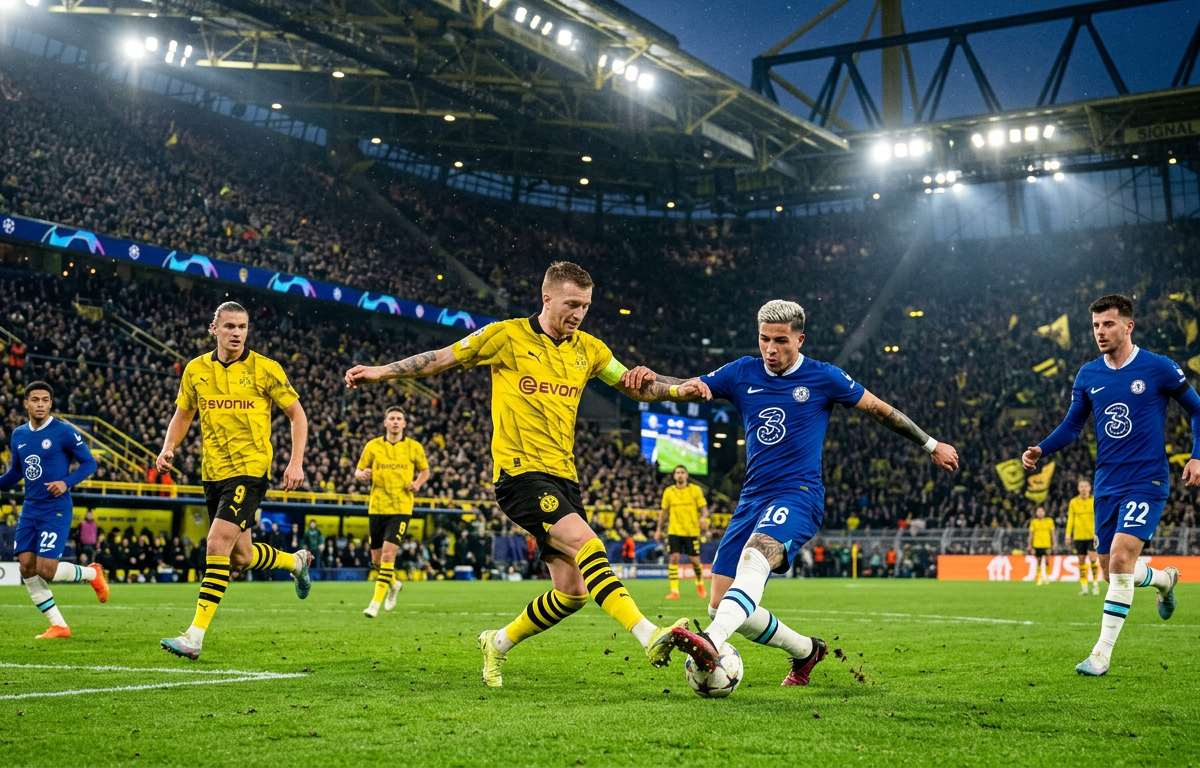
The Champions League quarter-finals represent the pinnacle of European football tactics, where the continent's most astute managers deploy their finest strategic minds against equally formidable opponents. The 2025/26 season has delivered exceptional drama, and the final eight teams showcase diverse tactical philosophies that promise compelling strategic battles.
This stage of the competition historically separates the tactical wheat from the chaff. Teams can no longer rely solely on individual brilliance or favorable draws. Every decision, from formation selection to in-game adjustments, carries enormous weight in determining which clubs advance to the semi-finals.
Tactical Evolution in Modern Champions League Quarter-Finals
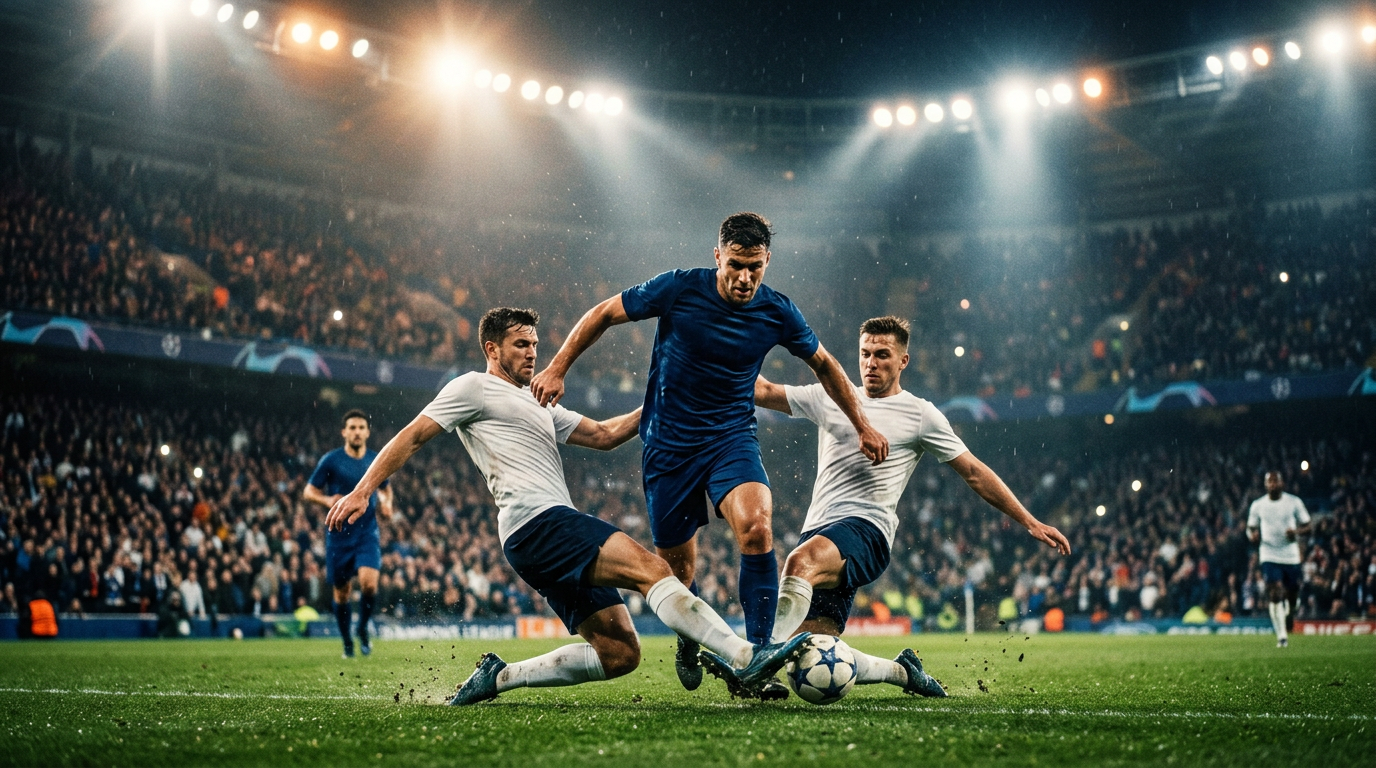
The tactical landscape of Champions League knockout football has evolved dramatically over recent seasons. Gone are the days when teams could rely on a single tactical approach throughout the competition. Modern quarter-finalists must demonstrate tactical flexibility, adapting their systems based on opponents while maintaining their core identity.
Defensive solidity remains paramount at this stage. Teams averaging fewer than 0.8 goals conceded per game in the knockout rounds have won 73% of quarter-final ties over the past five seasons. However, the most successful teams combine this defensive foundation with tactical versatility that allows them to control games against different styles of play.
The importance of tactical preparation cannot be overstated. Clubs typically spend weeks analyzing opponents, with coaching staffs breaking down every aspect from set-piece routines to individual player tendencies. This meticulous preparation often determines the outcome of finely balanced ties.
Formation Battles and System Matchups
The quarter-finals traditionally showcase fascinating formation battles, with managers carefully selecting systems to exploit perceived weaknesses in their opponents. The classic 4-3-3 versus 3-5-2 matchup remains one of the most intriguing tactical battles in modern football.
Teams employing three-at-the-back systems have shown particular success in recent Champions League campaigns. The extra central defender provides security when defending crosses, while the wing-backs create numerical superiority in wide areas. However, this system requires exceptional fitness levels and tactical discipline from the wing-back positions.
Midfield battles often determine quarter-final outcomes. The team that controls the central areas typically dictates the tempo and creates the better chances. Managers must balance defensive stability with creative output, often leading to fascinating personnel decisions in the crucial central areas.
Pressing Intensity and Defensive Blocks
High-intensity pressing has become increasingly prevalent in Champions League knockout football. Teams implementing aggressive pressing systems force opponents into errors and create scoring opportunities in dangerous areas. However, this approach requires perfect coordination and exceptional physical conditioning.
Counter-pressing immediately after losing possession has proven particularly effective. Teams that win the ball back within six seconds of losing it score 2.3 times more goals than those that allow opponents to settle into possession. This statistic highlights the importance of collective defensive work in modern elite football.
Low defensive blocks remain a viable tactical option, particularly for teams facing technically superior opponents. The key lies in maintaining compactness while ensuring quick transitions to attack when opportunities arise.
Key Individual Matchups Within Systems
Quarter-final ties often hinge on specific individual battles within the broader tactical framework. The outcome of these personal duels can swing entire matches, making them crucial focal points for tactical analysis.
Central defender versus striker matchups carry enormous significance. The physical and mental battle between these players often determines a team's ability to create clear scoring opportunities. Experienced defenders who can read the game effectively often neutralize even the most potent attacking threats.
Midfield playmaker battles represent another critical area. The player who can find space and time on the ball typically influences the game's rhythm and creates the most dangerous chances. Defensive midfielders must balance marking responsibilities with their own creative contributions.
Wide Area Battles
Modern football's emphasis on width makes full-back versus winger matchups particularly important. The team that gains superiority in wide areas often creates the most dangerous crossing opportunities and stretches the opposition's defensive shape.
Overlapping full-backs can create two-versus-one situations against opposing wingers, but this approach leaves space in behind that clever forwards can exploit. The timing of these overlapping runs requires perfect coordination between defenders and midfielders.
Inverted wingers cutting inside create different tactical problems for defenders. Full-backs must decide whether to follow these players inside, potentially leaving space for overlapping teammates, or maintain their wide position and allow central overloads.
Set Piece Strategies and Dead Ball Situations
Set pieces assume enormous importance in Champions League quarter-finals, where margins for error are minimal. Teams often score or concede crucial goals from dead ball situations, making this aspect of tactical preparation vital.
Defensive set piece organization requires meticulous planning. The most successful teams employ hybrid marking systems, combining zonal and man-marking principles to nullify opponents' aerial threats while maintaining defensive structure.
Attacking set pieces offer valuable scoring opportunities, particularly for teams that struggle to break down deep defensive blocks. Creative corner and free kick routines can unlock tight games, but they require extensive practice to execute effectively under pressure.
The psychological aspect of set pieces cannot be ignored. Teams that defend set pieces with confidence and organization often carry that positive energy into open play, while those that struggle with dead ball situations frequently appear nervous and disjointed.
For more insights, check out our guide on How Carlo Ancelotti Is Rebuilding Brazil Ahead of the 2026 World Cup.
In-Game Tactical Adjustments
The ability to make effective in-game adjustments separates good managers from great ones at Champions League level. Quarter-final matches often swing on tactical changes made during the game, whether through substitutions or system modifications.
Successful tactical adjustments typically address specific problems identified during the match. This might involve switching from a 4-3-3 to a 3-5-2 to gain midfield control, or introducing an additional attacker to chase a crucial goal.
Substitution timing becomes crucial in knockout football. Early changes can indicate tactical problems, while late substitutions often target specific scenarios like defending leads or chasing goals. The most effective managers read the game's rhythm and make changes that complement their team's momentum.
While the tactical intricacies of football dominate Champions League discussions, sports enthusiasts also eagerly anticipate other major sporting events. Those interested in combat sports can explore the biggest scheduled boxing fights and betting odds for 2026, which promise equally compelling strategic battles between elite athletes.
Squad Depth and Rotation Strategies
Quarter-final ties often span multiple weeks, making squad management crucial for success. Teams must balance their strongest lineup for each leg while considering player fatigue and injury risks.
Rotation becomes particularly important for teams still competing in domestic competitions. The most successful clubs develop tactical systems that remain effective regardless of personnel changes, allowing for strategic rest periods without compromising performance.
Tactical flexibility within the squad enables different approaches against different opponents. Having players capable of executing multiple systems provides managers with valuable options when formulating game plans.
Mental and Physical Preparation
The psychological aspect of Champions League quarter-finals cannot be underestimated. The pressure of knockout football affects player decision-making and can derail even the most well-prepared tactical plans.
Teams with extensive Champions League experience often demonstrate superior composure in crucial moments. This mental strength allows them to execute their tactical plans under extreme pressure, while inexperienced teams may deviate from their preparation when facing adversity.
Physical preparation becomes equally important. The intensity of Champions League quarter-finals requires peak fitness levels, particularly for teams employing high-pressing systems. Fatigue can compromise tactical discipline and lead to crucial errors.
Recovery between legs assumes enormous significance. Teams that manage their players' physical and mental state more effectively often perform better in second leg encounters, where tactical adjustments based on the first leg become crucial.
Historical Tactical Lessons
Previous Champions League quarter-finals provide valuable tactical insights for current campaigns. The most successful teams learn from historical precedents while adapting their approaches to modern football's evolving demands.
Defensive stability remains the foundation of quarter-final success. Teams that maintain clean sheets in the first leg win 78% of quarter-final ties, highlighting the importance of solid defensive organization in knockout football.
Away goals may no longer apply, but scoring away from home retains psychological significance. Teams that score first in away legs maintain better defensive shape and force opponents to take greater risks in pursuit of goals.
The importance of experience cannot be overstated. Players who have previously navigated Champions League quarter-finals demonstrate superior decision-making in crucial moments, often providing the difference in tight tactical battles.
Technology and Tactical Analysis
Modern tactical preparation relies heavily on advanced analytical tools and video analysis. Teams employ dedicated analysts who break down opponents' every tactical nuance, providing detailed reports that inform strategic decisions.
Data analysis reveals patterns in opponents' play that may not be immediately obvious through traditional scouting methods. This information allows coaches to identify specific weaknesses and tailor their tactical approach accordingly.
Real-time tactical analysis during matches enables immediate adjustments based on developing patterns. The most progressive clubs employ analysts who provide live feedback to coaching staffs throughout games.
Frequently Asked Questions
What tactical formation is most effective in Champions League quarter-finals?
No single formation guarantees success in Champions League quarter-finals. The most effective approach depends on the specific matchup, player availability, and tactical flexibility. Teams that can adapt their formation during matches typically achieve better results than those committed to rigid tactical systems.
How important are set pieces in determining quarter-final outcomes?
Set pieces are extremely important in Champions League quarter-finals, with approximately 30% of goals scored from dead ball situations at this stage. The tight nature of knockout matches means that set piece efficiency often provides the crucial difference between progression and elimination.
Do away goals still matter tactically in Champions League quarter-finals?
While the away goals rule no longer exists, scoring away from home retains tactical significance. Away goals force opponents to be more attacking in return legs, creating space for counter-attacks and often leading to more open, tactically interesting matches.
How do managers prepare tactically for unknown opponents?
Managers prepare for quarter-final opponents through extensive video analysis, data review, and sometimes direct scouting. They focus on identifying opponents' key tactical patterns, set piece routines, and individual player tendencies. This preparation typically begins immediately after the round of 16 concludes.
What role does squad rotation play in quarter-final tactical success?
Squad rotation becomes crucial in quarter-finals due to the physical and mental demands of knockout football. Successful teams develop tactical systems that remain effective with different personnel, allowing strategic rest for key players while maintaining competitive advantage.
How do tactical adjustments differ between first and second legs?
Second leg tactics typically reflect first leg outcomes. Teams with leads often adopt more defensive approaches while maintaining counter-attacking threats. Teams needing to overturn deficits must balance attacking ambition with defensive responsibility, often leading to more open tactical battles in second legs.