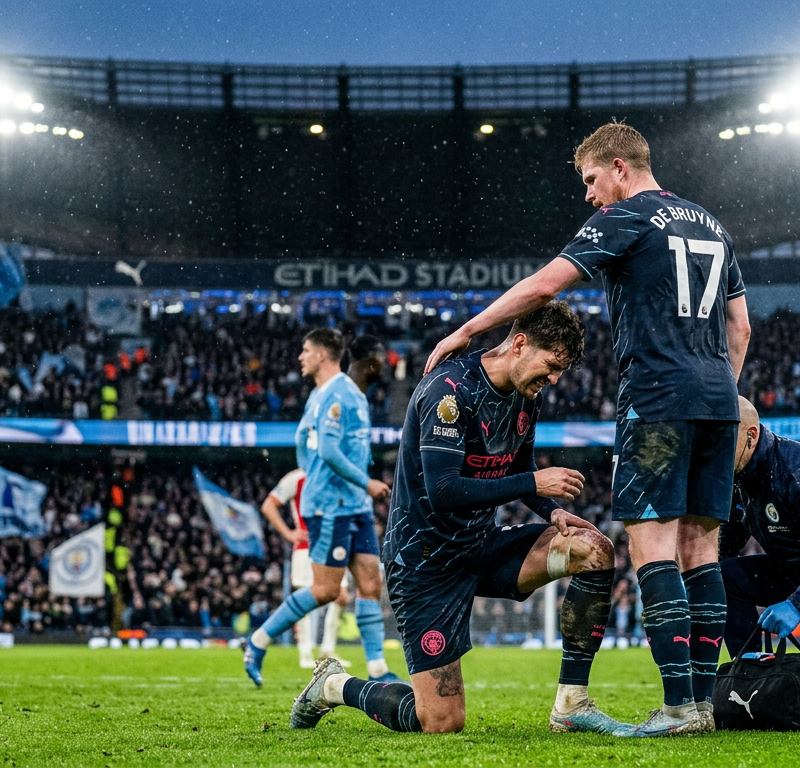

The UEFA Champions League 2026 has reached the quarter-final stage, and the landscape of European club football could not be more compelling from a betting perspective. Eight clubs remain in contention for the most prestigious prize in club football, the bracket is set, and the outright winner market offers a genuine range of value positions for bettors willing to think beyond the headline favourites.
This article covers everything a bettor needs to approach the remainder of the tournament analytically: the format of the competition and how it changes betting strategy, a full breakdown of the outright winner odds for every remaining contender, detailed profiles of the most important clubs' prospects, the best derivative markets to explore beyond the outright, and our top specific betting recommendations for the knockout rounds. All odds are indicative as of 26 March 2026.
UCL 2026 Format: What Bettors Need to Know
The UEFA Champions League continues to operate under the expanded format introduced for the 2024/25 season. The traditional group stage — four groups of four clubs playing six matches each — has been replaced by a single league phase involving 36 clubs. Each club plays eight matches against eight different opponents, with all results feeding into one combined league table.
The top 8 clubs in the league phase standings advance directly to the Round of 16. Clubs finishing 9th through 24th enter a two-legged knockout play-off round, with winners advancing to the Round of 16 and losers eliminated entirely. Clubs finishing 25th through 36th are eliminated from European competition at the league phase stage.
For bettors, this format change has meaningful implications. The eight-match league phase exposes squad depth more rigorously than the old six-match groups — clubs with thin rosters face rotation challenges earlier in the competition. The play-off round introduces additional fixtures and potential for upsets before the Round of 16, and the bracket structure means that clubs finishing higher in the league phase earn more favourable draws in the knockout rounds, creating genuine strategic incentive to maximise league phase performance even when qualification is already assured.
The overall effect has been to reward deep, well-managed squads — Manchester City, Real Madrid, Bayern Munich, and PSG — while creating more opportunities for well-coached, tactically organised clubs like Inter Milan to advance through favourable brackets in the knockout phase. This context shapes how every outright and derivative market should be approached.
Outright Winner Odds: All Contenders
| Club | Decimal Odds | Fractional | American | Implied Probability | League |
|---|---|---|---|---|---|
| Real Madrid | 3.50 | 5/2 | +250 | 28.6% | La Liga |
| Manchester City | 4.50 | 7/2 | +350 | 22.2% | Premier League |
| PSG | 6.00 | 5/1 | +500 | 16.7% | Ligue 1 |
| Bayern Munich | 7.00 | 6/1 | +600 | 14.3% | Bundesliga |
| Inter Milan | 9.00 | 8/1 | +800 | 11.1% | Serie A |
| Arsenal | 10.00 | 9/1 | +900 | 10.0% | Premier League |
| Liverpool | 11.00 | 10/1 | +1000 | 9.1% | Premier League |
| Barcelona | 13.00 | 12/1 | +1200 | 7.7% | La Liga |
The combined implied probability of these eight outright prices adds up to approximately 119.7%, indicating a total bookmaker overround of around 19.7% across the market. This elevated margin is standard in outright competition markets where uncertainty is high and the payoff is long-dated. Bettors should focus only on selections where their estimated probability comfortably exceeds the implied probability embedded in the odds, rather than chasing marginal edges where the overround consumes any realistic advantage.
League Phase Review
The 2025/26 league phase confirmed the expected hierarchy at the summit of European club football while producing several notable surprises in the mid-table positions that have shaped the quarter-final bracket in meaningful ways.
Real Madrid and Manchester City both finished in the top four of the league table, earning automatic Round of 16 berths and highly favourable draw positions for the knockout stages. Bayern Munich were similarly comfortable, finishing in the top six. PSG had a more uncertain passage through the league phase — a poor performance against a mid-seeded opponent in Matchweek 6 left them needing results from their final two fixtures, which they delivered convincingly to secure a top-8 finish and direct qualification.
Arsenal, Inter Milan, and Liverpool all qualified directly from the league phase, each finishing in the top 8 with distinctly different stylistic profiles. Arsenal's defensive solidity — the lowest goals conceded in the league phase of any English club — was the defining feature of their eight matches. Inter Milan's pragmatic, tactically disciplined approach produced five clean sheets across their eight games. Liverpool's attack was the most potent of the three English clubs, with Salah directly involved in goals in six of their eight fixtures through a combination of goals and assists.
Barcelona's league phase was disappointing relative to expectations. Three defeats in eight matches — unusual for a club of their stature — left them needing a play-off round victory to advance, which they secured but not convincingly. Their quarter-final path as a consequence is significantly more difficult than their squad quality would normally produce, and they are among the least likely of the eight remaining clubs to reach the final despite being priced at 13.00.
Group Stage Cluster Analysis
While the expanded format does not technically produce traditional groups, it is analytically useful to examine clubs by their league phase seeding tier, as this effectively determined the quality and frequency of opponents each club faced across the eight match-day format and provides the clearest framework for understanding relative qualification difficulty.
The Pot 1 clubs — Real Madrid, Manchester City, Bayern Munich, and PSG — all operated with the expectation of facing at least three or four Pot 3 or Pot 4 opponents in their eight matches, providing a floor of six or more expected wins. Their differences in league phase ranking came primarily from how they performed against each other and against strong Pot 2 clubs like Arsenal and Inter Milan. City's top-four finish in the league table is the primary indicator of their consistent European quality.
The Pot 2 cluster — Arsenal, Inter Milan, Atletico Madrid, and Dortmund — produced the most interesting competitive dynamics. Arsenal and Inter both exceeded expectations by qualifying directly without requiring the play-off round, confirming their current quality relative to pre-season perceptions. Atletico and Dortmund both fell short of automatic qualification, which is a significant signal about the gap that has opened between their current form and the elite tier of European competition. Both clubs were subsequently eliminated in the play-off round, confirming the league phase assessment.
Among the Pot 3 and Pot 4 clubs, Bayer Leverkusen's direct qualification stands out as the most impressive achievement of the entire league phase. Finishing 6th in the league table — ahead of several more historically decorated clubs — reflects the genuine quality of their squad and the cohesion of their playing system under their current coaching setup. Their elimination in the Round of 16 was narrow and contested on aggregate, confirming they were not a fortunate qualifier but a genuinely competitive European team at this level.
Real Madrid: The Benchmark
Real Madrid are the Champions League benchmark club for good reason. Fifteen European Cup titles, a culture of performing best in the highest-pressure moments, and a home stadium whose atmosphere has produced some of the most dramatic knockout reversals in the competition's history. At 3.50, their implied probability of 28.6% is fair — neither a screaming value bet nor an obvious position to oppose.
This season, Madrid's squad has undergone significant evolution. The Kylian Mbappé project, which began with mixed results in La Liga, has found its most effective expression in the Champions League — six goals across the league phase and the Round of 16 is a return that justifies the enormous transfer investment his arrival represented. Vinicius Júnior remains one of the most difficult players in world football to defend in wide one-on-one situations, and the combination of both players at peak motivation in European knockout football presents a challenge that no remaining opponent will find straightforward to handle.
Defensively, Madrid's expected goals allowed figure in the Champions League this season is the second best of any quarter-finalist, confirming that their setup is genuinely sound at both ends of the pitch rather than simply relying on attacking brilliance to outscore defensive problems. The tournament experience advantage that Madrid carry — a coaching staff and leadership group with multiple UCL titles between them — adds a probability premium over comparably-rated opponents who lack that institutional knowledge of how to win in knockout football at the highest level.
Our assessment: Real Madrid at 3.50 represent fair but not exceptional value. They are the recommended selection for bettors who prioritise historical reliability over mathematical value, but the best pure analytical edge in this market lies with PSG at 6.00.
Manchester City: Depth and Demand
Manchester City at 4.50 carry the deepest squad in the competition — a fact that matters more in the expanded Champions League format than it ever did under the old structure. Guardiola's ability to rotate without quality loss across a schedule that includes a simultaneous Premier League title race is the defining competitive advantage of this club's European campaigns. No other manager in the tournament manages rotation with the same precision, and no other squad absorbs that rotation without producing recognisable drops in performance level.
Haaland's form in the Champions League this season — 14 goals in 10 appearances — is breathtaking by any standard and confirms he is operating at the elite end of his already extraordinary capabilities. In the likely event that City reach the semi-final, he is the single most probable recipient of the tournament's top scorer award. The concern, as it has been in previous City European campaigns, is whether their possession-based system can absorb the sustained pressing and direct attacking play of the highest-quality opponents in the competition's final rounds.
City have won the Champions League once since Guardiola arrived in 2016. In that same period, they have been eliminated at the semi-final stage or earlier on multiple occasions, often by teams that disrupted their positional structure through sustained high-intensity pressing in the second halves of away legs. That pattern is a legitimate historical caveat that should temper assessments based purely on squad quality. The additional complication of their Premier League title race — the most demanding domestic season since 2019 — means that April's fixture congestion will test their physical limits in a way that no other remaining quarter-finalist faces.
PSG: The Best Value in the Market
Paris Saint-Germain at 6.00 are our top outright recommendation in the Champions League 2026 market. Their implied probability of 16.7% represents a meaningful discount relative to our estimated actual title probability of 20–22%, driven by three distinct analytical advantages that the market does not appear to be fully pricing in.
The first advantage is squad balance. PSG are more cohesively constructed than at any point in their recent history. The post-Mbappé rebuild has produced a team without a single dominant superstar but with exceptional quality distributed across all positions. This structural balance translates directly into tactical flexibility — they can adapt their approach match to match in a way that star-heavy, system-dependent squads cannot. Against defensive opponents, they have the quality to break down low blocks. Against high-pressing opponents, they have the technical ability to play through the press and create danger on the transition.
The second advantage is their knockout record. PSG's aggregate goal-scoring in Champions League knockout ties over the past two seasons is among the best in the tournament, and they tend to be clinical in the specific scenario of second-leg home ties where they have built decisive advantages from first-leg positions that appeared finely balanced. This clinical efficiency in the moments that matter most is a consistent pattern rather than a statistical anomaly.
The third and most important advantage from a value perspective is their bracket position. The quarter-final draw has confirmed that PSG will not face Real Madrid or Manchester City until minimum the semi-final stage. A path to the final that avoids the two most dangerous remaining clubs until the penultimate round is a structural advantage that 6.00 does not adequately reflect. Combined with the squad and form factors above, PSG at 6.00 is our most confident outright recommendation in this tournament.
Bayern Munich: Domestic Dominance, European Questions
Bayern Munich at 7.00 are priced with more optimism than their European performance merits this campaign. The Bundesliga title has been secured comfortably, confirming their continued domestic superiority in a league that lacks the competitive density of the Premier League or La Liga at its peak. European knockout football, however, demands a different quality of performance — more clinical finishing in tight moments, more resilient defending against elite technical attackers, and a tactical adaptability that Bayern's setup has not reliably produced in its most important away legs in recent seasons.
Their underlying expected goals data from the league phase shows a team that creates good chances but concedes more in scenarios involving high-intensity pressing than a club with realistic title ambitions can consistently afford at this level. The opposition quality they have faced in the Bundesliga this season has not tested these vulnerabilities in the way that Real Madrid, Manchester City, or PSG will if a semi-final encounter materialises. We would not recommend a Bayern outright stake at 7.00 given the available alternatives at similar or better prices.
Dark Horses: Inter Milan, Arsenal, and Liverpool
Inter Milan at 9.00 are the most compelling value among the longer-priced contenders. Simone Inzaghi has developed the most cohesive defensive structure in this year's tournament outside of Real Madrid, and Inter's record in high-stakes UCL knockout ties over the past three seasons is exceptional — they have reached the quarter-final stage or beyond in each of the last three Champions League campaigns, consistently eliminating opponents rated as superior on paper. At 9.00 with an implied probability of 11.1%, there is genuine analytical justification for a position on Inter to reach the semi-finals at minimum, where the bracket could open further depending on the other results.
Arsenal at 10.00 face the challenge familiar to Premier League clubs competing simultaneously for the domestic title — the physical and mental demands of two major simultaneous campaigns are enormous. However, their squad depth has improved considerably and Arteta's management of rotation without losing structural organisation is one of his most underrated qualities. At 10.00, Arsenal represent speculative value, most compelling if the Premier League title race is resolved early enough to allow full Champions League focus through May.
Liverpool at 11.00 carry the most volatile risk profile of the remaining contenders. Their ceiling — a squad led by Salah at the peak of his powers, renewed by fresh management, and playing with genuine collective energy — is legitimately title-calibre. Their floor — fixture congestion, squad adaptation to new tactical demands, and a European schedule that could extend into late May — is equally real. Liverpool are the highest-risk, highest-reward position among the English clubs at these prices, appropriate for bettors who accept higher variance in exchange for a meaningful odds premium.
Key Betting Markets for the Knockout Rounds
Outright Winner
PSG at 6.00 is our primary recommendation as detailed above. The combination of squad balance, knockout record, and bracket position creates a genuine value discrepancy between the implied probability of 16.7% and our estimated actual title probability of 20–22%.
Top Scorer
Erling Haaland leads the scoring charts with 14 goals in 10 appearances. Conditional on Manchester City reaching the semi-final — rated above 50% probability — Haaland is the single most likely player to claim the award. Kylian Mbappé is the primary alternative, with six goals in the current campaign and Real Madrid's bracket position providing a realistic path to further high scoring in the final rounds. A spread of small stakes across both players covers the most probable outcomes in this market.
Both Teams to Score in Quarter-Final Second Legs
BTTS Yes in UCL quarter-final second legs has an approximate historical hit rate of 65–70%, reflecting the tactical reality that trailing clubs must attack in second legs while leading clubs remain vulnerable to transition play. This hit rate typically exceeds the implied probability bookmakers embed in the market — often priced at 55–60% for this specific scenario. Building a BTTS Yes accumulator across all four quarter-final second legs produces odds of approximately 10.5/1 at average individual odds of 1.80, with a historical precedent that justifies the inclusion of this bet in any structured betting approach to the tournament.
Asian Handicap — Semi-Final First Legs
Elite clubs playing at home in semi-final first legs with the crowd advantage tend to be underpriced on the Asian handicap at −0.5 or −1.0. Bookmakers price these markets cautiously to balance their liability, but the actual win probability of the highest-seeded clubs in their home semi-final is frequently understated by the available prices. Research the specific match-up context as the draw becomes clear and look for compressed handicap prices that represent genuine value once team news and current form are fully factored in.
Our Top Betting Picks
Pick 1: PSG to Win the Champions League — Odds 6.00
Our primary outright recommendation. Squad balance, strong knockout record, and a bracket that avoids the two most dangerous clubs until the semi-final stage combine to produce a genuine analytical edge over the implied probability of 16.7%. Estimated actual title probability: 20–22%. Recommended stake: 2–3% of bankroll, consistent with the confidence level and odds range. For a deeper understanding of how to size your bets, see our bankroll management guide.
Pick 2: Inter Milan to Reach the Semi-Finals — Odds 3.20
Inter's defensive system and Inzaghi's tactical preparation make them the most reliable semi-final bet among the non-favourites in the current draw. Three consecutive quarter-final-or-better appearances confirms this is structural quality, not one-off fortune. Estimated semi-final probability: 40–45%. Recommended stake: 1–2% of bankroll.
Pick 3: Erling Haaland — UCL Top Scorer — Odds 4.50
Conditional on Manchester City reaching the semi-final, which is rated above 50% probability by our model. 14 goals in 10 tournament appearances this season is the most prolific individual UCL campaign at this stage in several years. Recommended stake: 1% of bankroll as a conditional speculative position.
Pick 4: BTTS Yes Accumulator — All Four QF Second Legs — Approx. Odds 10.50
Historical hit rate of 65–70% in this specific market context. At average individual BTTS odds of 1.80, a four-fold accumulator produces approximately 10.5/1. This is a structurally justified bet based on the tactical dynamics of knockout second-leg football rather than speculation. Recommended stake: 1% of bankroll, consistent with the accumulator's inherent variance.
Frequently Asked Questions
Who are the favourites to win the Champions League 2026?
Real Madrid are the bookmakers' favourites at approximately 3.50, followed by Manchester City at 4.50 and PSG at 6.00. Bayern Munich, Inter Milan, Arsenal, Liverpool, and Barcelona round out the realistic contenders among the eight remaining quarter-finalists as of late March 2026.
What is the UCL 2026 format?
The 2025/26 Champions League uses an expanded league phase of 36 clubs, each playing eight matches against eight different opponents in a single table. The top 8 qualify directly for the Round of 16. Clubs finishing 9th–24th enter a knockout play-off round. Clubs finishing 25th–36th are eliminated. From the Round of 16 onward, the competition follows the traditional two-legged knockout format through to the final.
When is the Champions League 2026 final?
The Champions League 2026 final is scheduled for late May 2026. UEFA confirms the exact date and host venue following the semi-final draw. Finals are traditionally played on a Saturday evening in late May or very early June at a pre-selected host city announced at the start of each season.
Why is PSG considered good value in the UCL outright market?
PSG at 6.00 are considered the best value outright because their implied probability of 16.7% understates their actual title probability. This discrepancy is driven by a well-balanced squad without reliance on any single superstar, a strong knockout-round record, and a bracket position that avoids Real Madrid and Manchester City until at minimum the semi-final stage. The combination of these three factors creates a meaningful gap between implied and estimated actual probability.
How many English clubs are in the Champions League quarter-finals?
Three English clubs — Manchester City, Arsenal, and Liverpool — reached the 2026 Champions League quarter-finals. This is the first time three English clubs have simultaneously reached the last eight since the 2018/19 season. Their bracket positions have significant implications for all-English semi-final markets, which bookmakers price separately based on the specific quarter-final and potential semi-final draw.
Is the BTTS market worth betting in UCL knockout games?
Both Teams to Score in UCL quarter-final and semi-final second legs has a historical hit rate of approximately 65–70%, which typically exceeds the implied probability bookmakers embed in the market price of around 55–60% for these games. This recurring discrepancy makes BTTS second-leg accumulators one of the most consistently justifiable system bets in European knockout football when applied with appropriate bankroll management and stake sizing.