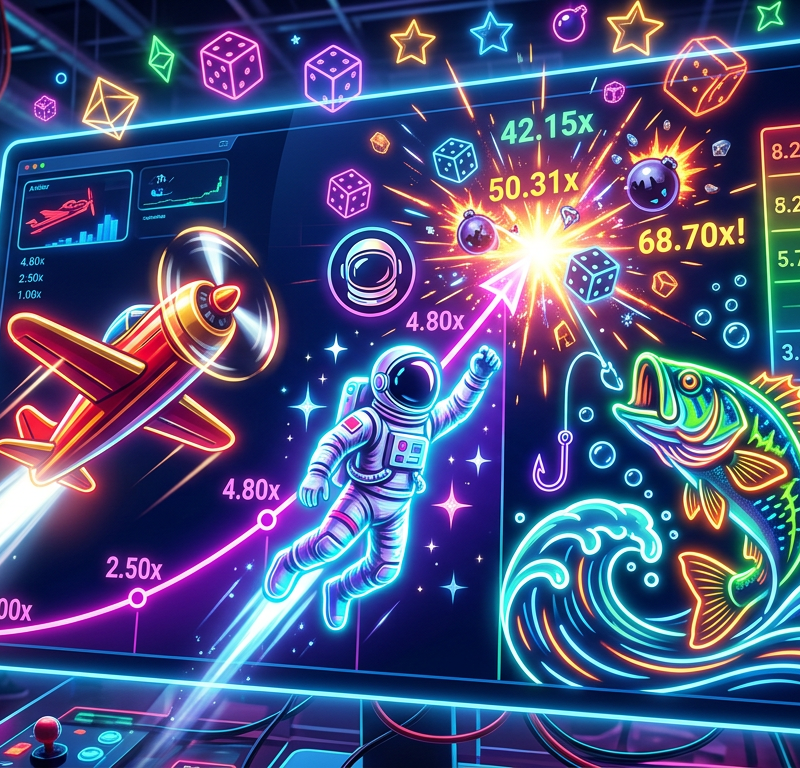
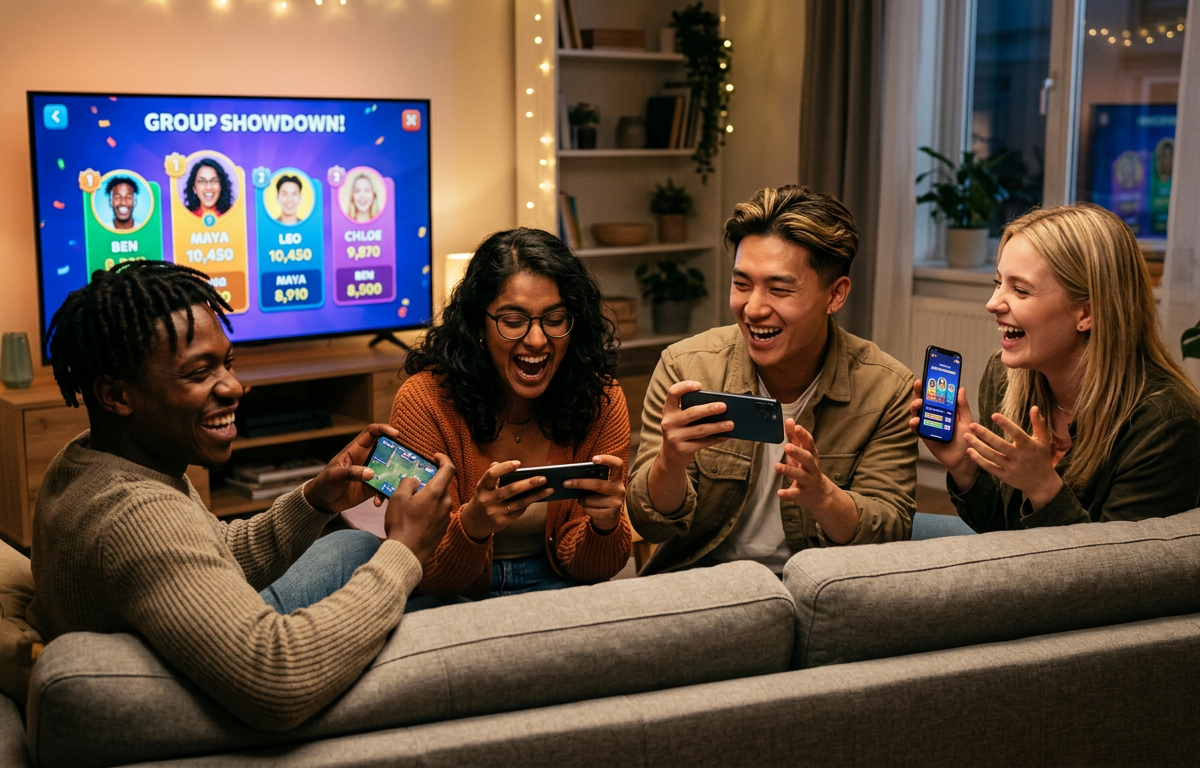
The mini gaming industry has undergone a dramatic transformation in 2026, with social leaderboards and multiplayer features becoming the cornerstone of player engagement. What once were simple, solitary experiences have evolved into dynamic, community-driven platforms that foster competition, collaboration, and continuous participation.
This evolution represents more than just technological advancement. It reflects a fundamental shift in how players interact with games and each other, creating ecosystems where individual achievements gain meaning through social recognition and competitive positioning.
The Rise of Social Competition in Mini Games
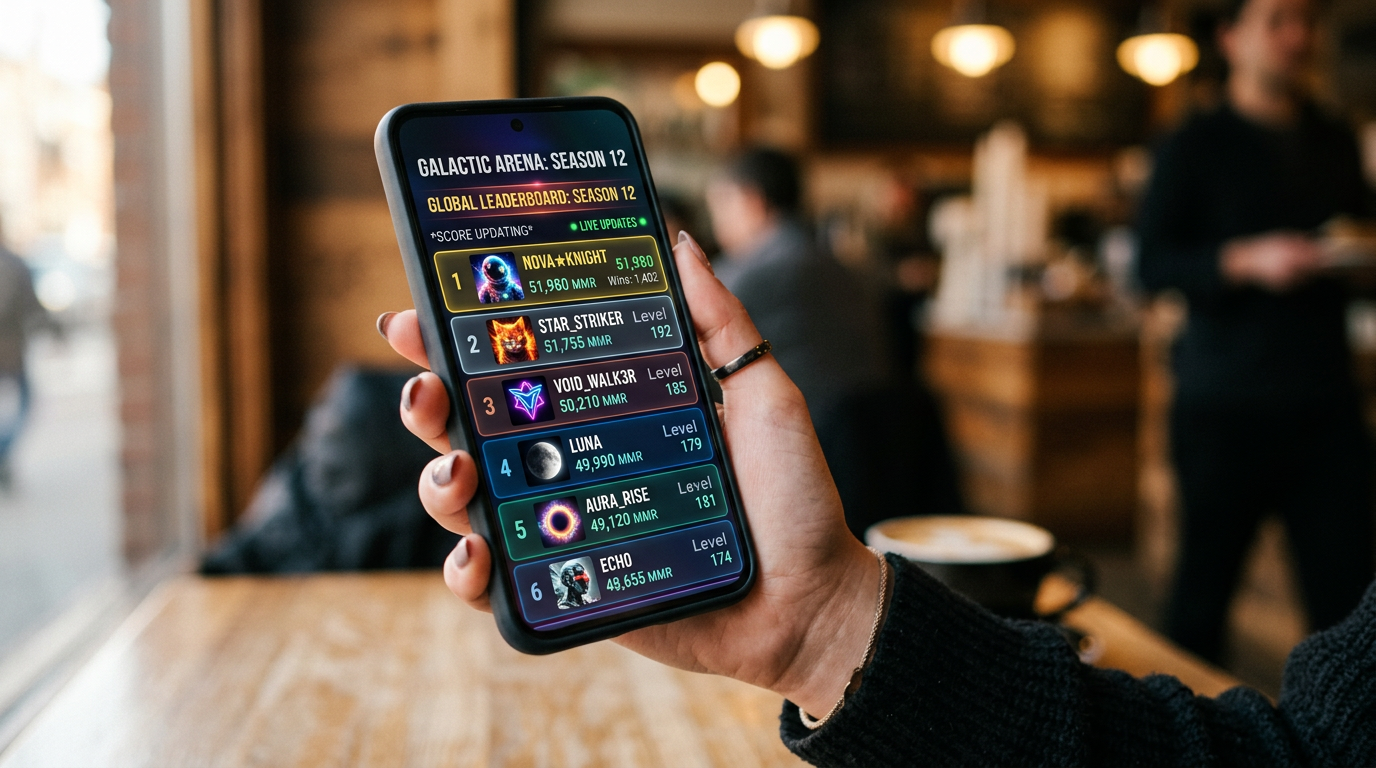
Social leaderboards have emerged as powerful psychological drivers that tap into players' natural competitive instincts. Unlike traditional high score systems that existed in isolation, modern leaderboards create living, breathing communities where achievements are celebrated and rivalries flourish.
Recent industry data shows that mini games featuring social leaderboards experience 340% higher retention rates compared to their non-social counterparts. Players spend an average of 23 minutes longer per session when competing against friends and community members, demonstrating the magnetic pull of social competition.
The sophistication of these systems has reached new heights in 2026. Advanced algorithms now create personalized competition brackets, ensuring players compete against others of similar skill levels while maintaining aspirational targets. This tiered approach prevents frustration while maintaining motivation across all player segments.
Real-Time Multiplayer Integration
The integration of real-time multiplayer features has transformed mini games from solitary activities into shared experiences. Players can now engage in head-to-head matches, team-based challenges, and collaborative objectives that blur the lines between individual and group achievement.
Technological improvements in low-latency networking have made seamless real-time gameplay possible on mobile devices. The average response time for multiplayer mini games has dropped to just 12 milliseconds in 2026, creating experiences that feel as responsive as local single-player games.
This real-time connectivity extends beyond gameplay mechanics. Players can communicate through integrated chat systems, share achievements instantly, and even spectate ongoing matches. These features create a sense of presence and community that keeps players returning even when they're not actively playing.
Synchronous vs Asynchronous Competition
Game developers have mastered the balance between synchronous and asynchronous multiplayer elements. Synchronous features include live tournaments, real-time races, and collaborative puzzle-solving sessions that require simultaneous participation.
Asynchronous elements allow players to compete on their own schedules through time-shifted leaderboards, ghost data comparisons, and challenge completion tracking. This hybrid approach accommodates different player lifestyles while maintaining competitive tension.
The most successful mini games in 2026 employ both approaches strategically, using synchronous events to create excitement peaks while relying on asynchronous systems to maintain daily engagement. This dual strategy has proven particularly effective in maintaining player interest across different time zones and availability patterns.
Community Building Through Gaming Achievements
Social leaderboards have evolved beyond simple ranking systems to become comprehensive community-building platforms. Players form alliances, mentor newcomers, and celebrate collective milestones that strengthen bonds within gaming communities.
Achievement sharing has become an art form, with players curating their accomplishments to tell personal stories of growth and mastery. These shared narratives create emotional connections that extend far beyond individual game sessions.
Guild systems and team-based competitions have introduced collaborative elements that encourage players to work together toward common goals. Weekly team challenges generate 67% more engagement than individual competitions, highlighting the power of collective achievement.
Social Recognition Systems
Modern recognition systems extend beyond traditional points and badges. Players can now earn social currency through helpful behavior, creative achievements, and community contributions. These systems reward positive interactions and create incentives for maintaining healthy gaming environments.
Peer-to-peer recognition features allow players to acknowledge exceptional performances, sportsmanship, and creative solutions. These social endorsements often carry more weight than automated achievements, creating meaningful validation between community members.
The integration of these social elements mirrors successful patterns seen in other entertainment sectors. Much like how real-time operations in live casino studios create immersive experiences through professional interaction, mini games now leverage social connectivity to enhance player engagement and retention.
Technological Innovations Driving Change
Advanced analytics and machine learning algorithms now power sophisticated matchmaking systems that ensure fair and engaging competitions. These systems analyze player behavior patterns, skill progression, and engagement preferences to create optimal competitive experiences.
Cloud computing infrastructure enables massive multiplayer events that can accommodate thousands of simultaneous participants without performance degradation. The scalability improvements in 2026 have made global tournaments accessible to developers with modest budgets.
Cross-platform compatibility has reached maturity, allowing players on different devices and operating systems to compete seamlessly. This universal accessibility has significantly expanded the potential player base for mini games while reducing fragmentation.
AI-Powered Personalization
Artificial intelligence now customizes competitive experiences based on individual player preferences and performance patterns. These systems adjust difficulty curves, suggest optimal opponents, and recommend challenges that maintain engagement without causing frustration.
Predictive algorithms identify players at risk of churning and automatically adjust social interactions to re-engage them. This proactive approach has reduced player attrition by 28% compared to reactive retention strategies.
Natural language processing enables more sophisticated communication features, including real-time translation for global competitions and automated moderation to maintain positive community environments.
Economic Impact and Monetization Models
The integration of social and multiplayer features has created new revenue opportunities for mini game developers. Premium leaderboard positions, exclusive tournament access, and cosmetic customization options generate sustainable income streams without disrupting core gameplay.
Social gifting systems allow players to purchase items for friends and community members, creating emotional connections that drive spending. These systems generated $2.3 billion in revenue across the mini gaming sector in 2025, with projections showing continued growth throughout 2026.
Subscription models offering enhanced social features have gained traction among dedicated players. Premium memberships typically include expanded friend lists, advanced statistics tracking, and priority access to special events.
The principles behind successful social gaming monetization share similarities with other real-time competitive environments. Just as live betting strategies require understanding momentum shifts, successful mini game monetization depends on recognizing and responding to player engagement patterns in real time.
Challenges and Solutions
Managing toxic behavior and maintaining positive community environments remains a significant challenge. Advanced moderation systems now combine automated detection with community reporting to identify and address problematic players quickly.
Balancing competitive fairness while accommodating different skill levels requires sophisticated matchmaking algorithms. Developers have implemented dynamic difficulty adjustment systems that maintain challenge without creating insurmountable barriers.
For more insights, check out our guide on Sweepstakes Casinos Face Regulatory Crackdown in the US – What's Changing and Why.
Privacy concerns around social data sharing have led to more transparent data policies and granular privacy controls. Players can now choose exactly what information to share and with whom, building trust while maintaining social functionality.
Technical Scalability Issues
Handling massive concurrent user loads during popular events requires robust infrastructure planning. Cloud auto-scaling solutions now automatically adjust server capacity based on real-time demand, ensuring consistent performance during peak periods.
Data synchronization across global player bases presents latency and consistency challenges. Edge computing deployments bring processing closer to players, reducing response times while maintaining data integrity across regions.
Security measures protect against cheating and exploitation while maintaining smooth gameplay experiences. Advanced anti-cheat systems now operate in real-time without impacting legitimate players' performance.
Future Trends and Predictions
Augmented reality integration promises to bring social leaderboards into physical spaces, allowing players to compete in location-based challenges that blend digital achievements with real-world activities.
Blockchain technology may enable player-owned achievements and cross-game reputation systems, creating persistent identities that transcend individual gaming platforms.
Voice communication integration will likely become standard, enabling more natural social interactions during competitive gameplay. Advanced noise cancellation and real-time translation will make these features accessible globally.
Machine learning will continue improving personalization, potentially creating AI companions that understand individual player preferences and facilitate social connections with compatible community members.
The convergence of social gaming with emerging technologies suggests that mini games will become increasingly immersive and community-focused, establishing new standards for player engagement and retention in the gaming industry.
Frequently Asked Questions
How do social leaderboards differ from traditional high score systems?
Social leaderboards create dynamic communities where players interact, compete, and collaborate in real-time. Unlike static high score lists, they feature friend comparisons, team competitions, and social recognition systems that foster ongoing engagement and relationship building among players.
What security measures protect against cheating in multiplayer mini games?
Modern mini games employ multi-layered anti-cheat systems including server-side validation, behavioral analysis algorithms, and community reporting mechanisms. These systems operate in real-time to detect suspicious activities while maintaining smooth gameplay for legitimate players.
How do developers ensure fair competition between players of different skill levels?
Advanced matchmaking algorithms analyze player performance data, skill progression, and engagement patterns to create balanced competitive brackets. These systems group similar-skill players while providing aspirational targets, ensuring challenging yet achievable competition for all participants.
What privacy controls do players have over their social gaming data?
Players can control what personal information appears on leaderboards, who can view their achievements, and how their data is shared with other community members. Modern games offer granular privacy settings that allow selective sharing while maintaining social functionality.
How do real-time multiplayer features work on mobile devices?
Low-latency networking protocols and edge computing infrastructure enable responsive real-time gameplay on mobile devices. Average response times have decreased to 12 milliseconds in 2026, creating experiences comparable to local single-player games while supporting global multiplayer connectivity.
What monetization opportunities do social features create for developers?
Social features enable various revenue streams including premium leaderboard positions, exclusive tournament access, cosmetic customizations, social gifting systems, and subscription models. These options generate sustainable income while preserving core gameplay accessibility for all players.