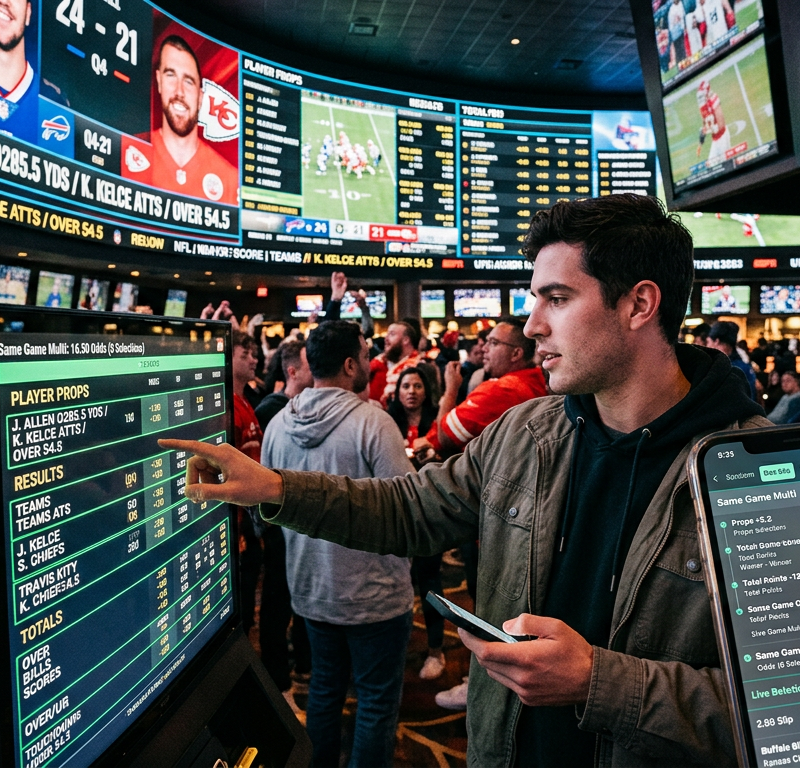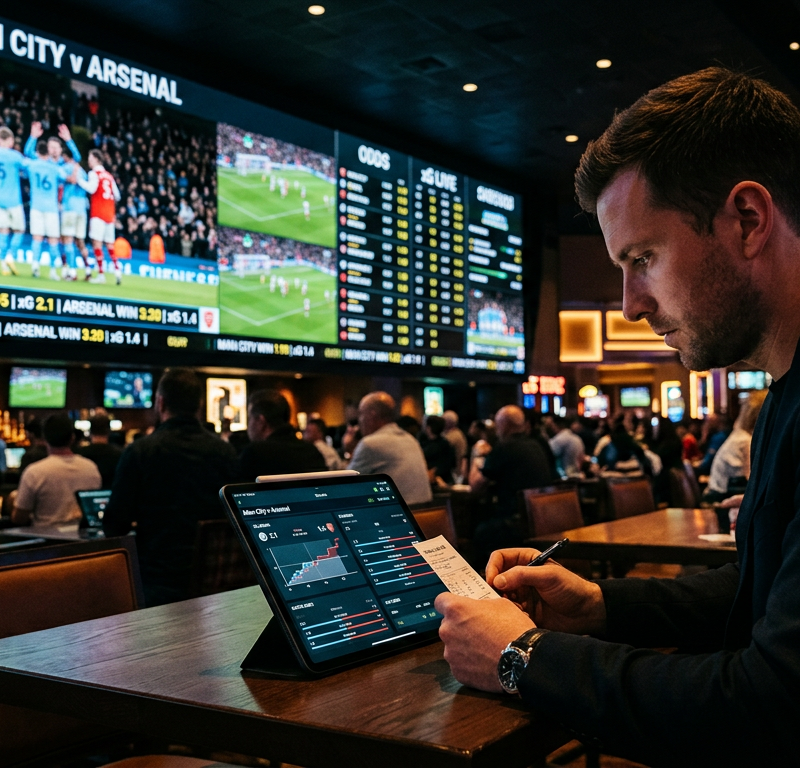
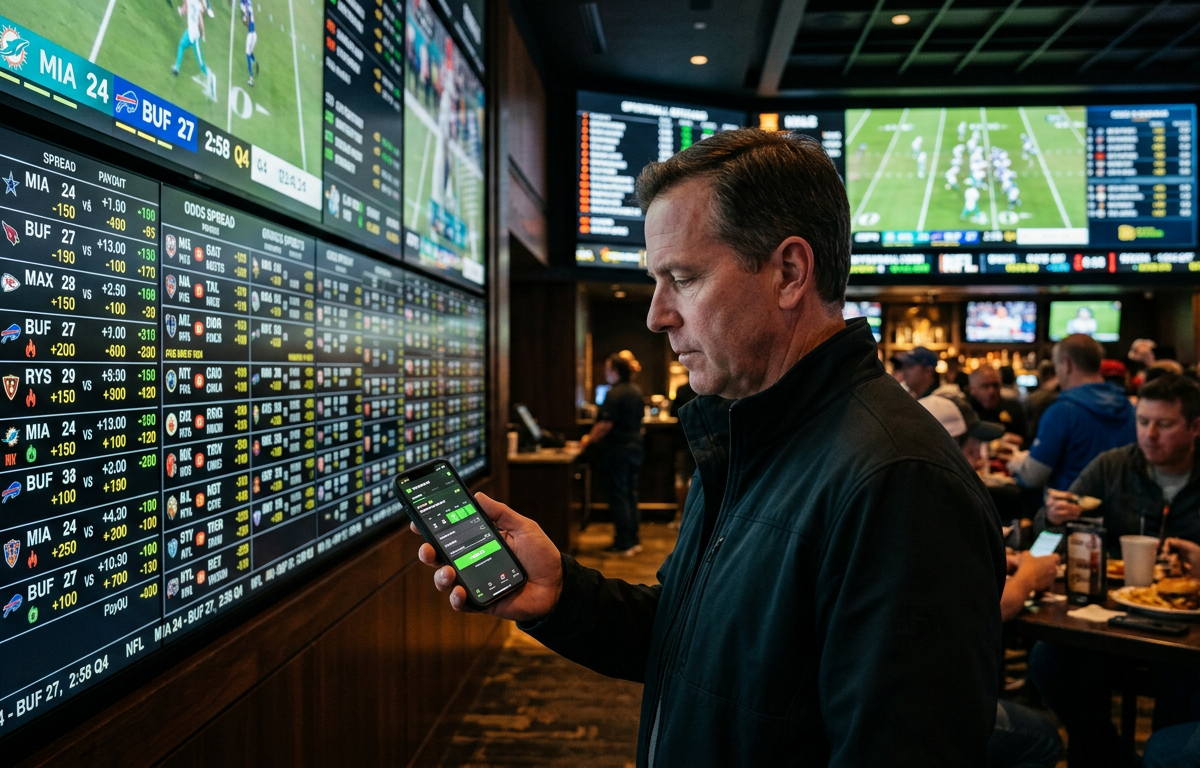
The cash out feature has revolutionized sports betting, giving bettors unprecedented control over their wagers. This tool allows you to secure profits or cut losses before an event concludes, but knowing when to use it separates successful bettors from those who leave money on the table.
Understanding cash out timing requires more than gut instinct. It demands strategic thinking, mathematical awareness, and emotional discipline. The difference between cashing out too early and letting a bet ride can often mean hundreds or thousands of dollars in profit.
Understanding the Cash Out Mechanism
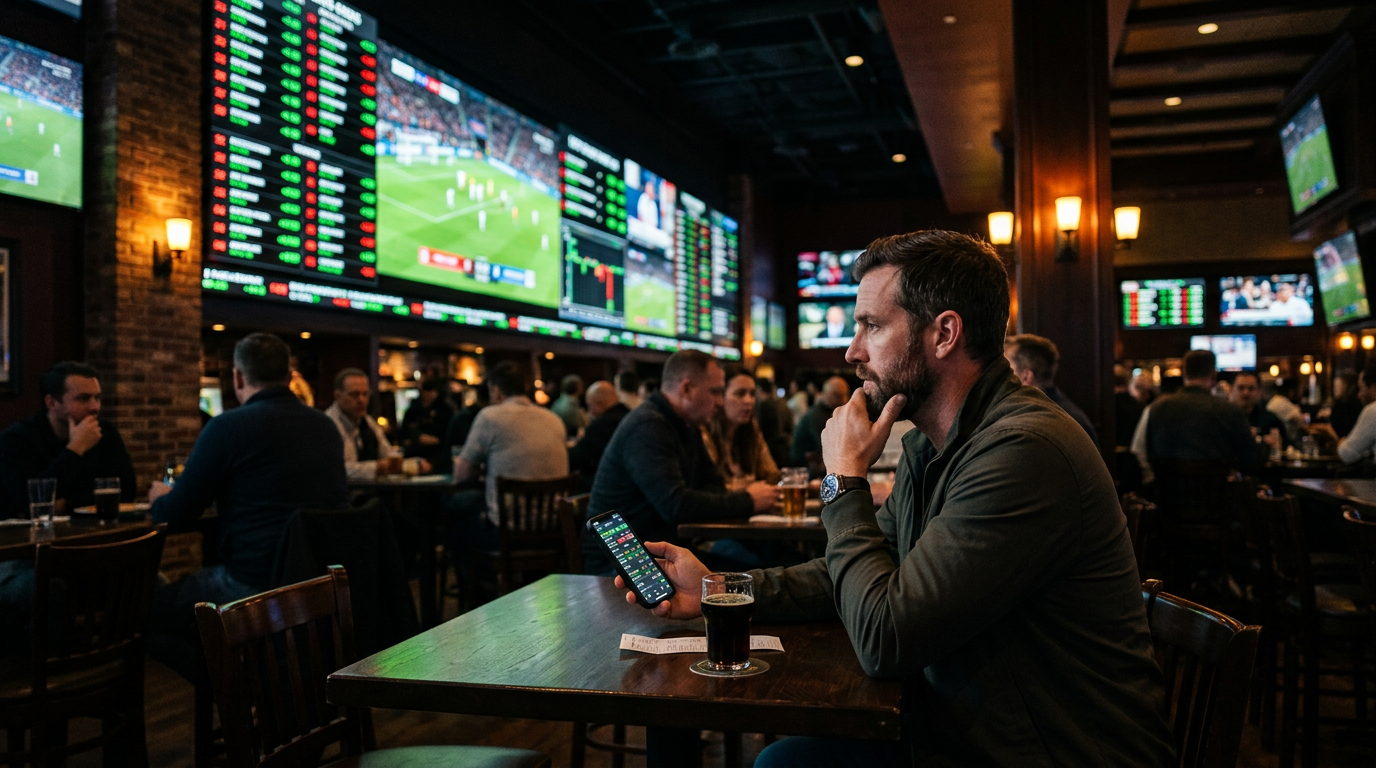
Cash out functionality works by offering you a settlement amount based on current market conditions and the likelihood of your bet winning. Sportsbooks calculate this value using real-time odds, remaining game time, and current score situations.
The offered amount fluctuates constantly during live events. A bet that shows a £50 cash out value at halftime might jump to £80 after a favorable goal or drop to £20 if momentum shifts. These calculations incorporate the bookmaker's margin, meaning cash out offers typically provide less value than the true mathematical probability would suggest.
Most major sportsbooks now offer partial cash out options, allowing you to secure some profit while keeping a portion of your stake active. This feature provides a middle ground between the all-or-nothing decision of traditional cash out.
When Taking Early Profit Makes Financial Sense
Risk Management Scenarios
Early cash out proves most valuable when your betting bankroll faces significant exposure. If you've placed a bet representing more than 5% of your total bankroll, securing early profit often makes sense to preserve your long-term betting capital.
Consider a scenario where you've wagered £100 on a football accumulator with potential returns of £800. If the cash out value reaches £400 with two matches remaining, taking the profit protects against late collapses while securing a 300% return on investment.
Shifting Market Conditions
When live odds movements suggest your initial analysis was incorrect, cashing out becomes strategically sound. If you backed an underdog at +200 odds, but the live market now shows them at -150 favorites, the early cash out might offer better value than the original bet assessment.
Professional bettors monitor line movements constantly. Sharp money moving against your position often signals information you don't possess, making early profit-taking a defensive strategy rather than a panic decision.
Emotional and Psychological Factors
Your mental state significantly impacts decision-making quality. If watching a bet unfold causes excessive stress or affects your daily life, cashing out preserves both profit and psychological well-being.
Studies show that betting-related stress can impair judgment for future wagers. Taking early profit when anxiety peaks often prevents compound mistakes that erode long-term profitability.
When Letting It Ride Actually Makes Sense
Positive Expected Value Situations
Mathematical analysis should drive your decision to let bets ride. When your original handicapping remains valid and cash out offers provide poor value relative to true odds, maintaining your position maximizes expected returns.
Calculate the implied probability of the cash out offer versus your assessment of winning chances. If you believe your bet has a 70% chance of success, but the cash out implies only 50% probability, letting it ride offers better long-term value.
Bankroll Considerations
Small stakes relative to your bankroll justify letting bets ride more often. If cashing out a £10 bet early saves £3 in potential profit, but you're comfortable losing the entire stake, the missed opportunity cost outweighs the risk reduction.
Professional bettors typically avoid cash out on bets representing less than 2% of their bankroll unless the offered value significantly exceeds their winning probability assessment.
Strategic Long-term Thinking
Building discipline around letting good bets complete develops crucial betting skills. Constantly cashing out winning positions can create a conservative mindset that limits your ability to maximize value from strong handicapping.
Track your cash out decisions over time. Many bettors discover they cash out winners too early while holding losing bets too long – the exact opposite of optimal strategy.
Strategic Approaches to Cash Out Timing
The 50% Rule
One popular strategy involves cashing out when the offer reaches 50% of maximum potential profit. This approach balances risk reduction with profit maximization, though it shouldn't be applied blindly without considering specific circumstances.
For accumulator bets, consider cashing out when 70-80% of legs have won and substantial profit is available. The probability of remaining legs hitting decreases multiplicatively, making early profit attractive.
For more insights, check out our guide on The Science of Card Shuffling in Live Blackjack – Automatic Shufflers, Shoe Penetration, and Why It Matters.
Partial Cash Out Strategy
Partial cash out allows sophisticated bankroll management. Take back your original stake plus some profit while letting the remainder ride for maximum potential. This strategy works particularly well for long-term bets where early favorites emerge.
Example: Your £100 season-long bet on Leicester City to reach top four now offers £300 cash out halfway through the season. Take £150 as partial cash out, securing 50% profit while maintaining upside potential with the remaining £150.
Time-Based Considerations
Different sports require different timing approaches. Football bets often see dramatic value swings, while tennis matches can shift momentum multiple times. Understanding sport-specific patterns improves cash out timing.
In football, early goals often create the best cash out opportunities. The time remaining allows for comebacks, but the immediate odds shift creates favorable cash out values. Basketball betting requires different timing due to natural score fluctuations throughout games.
Connection stability becomes crucial during live betting scenarios. Just as you need reliable connectivity for live casino sessions where technical issues can affect gameplay, sports betting cash out decisions require stable internet access to capitalize on fleeting opportunities.
Common Cash Out Mistakes to Avoid
Emotional Decision Making
The biggest mistake involves making cash out decisions based on fear rather than logic. Adrenaline during close games clouds judgment, leading to premature profit-taking or stubborn position-holding.
Establish cash out rules before placing bets. Decide your profit-taking threshold, maximum loss tolerance, and specific scenarios where you'll consider early settlement. Written plans reduce emotional influence during high-stress moments.
Ignoring True Odds
Many bettors accept cash out offers without calculating whether they provide fair value. Always compare the implied probability of the cash out offer against your assessment of actual winning chances.
Use odds conversion tools to understand what the cash out offer implies about your bet's winning probability. If the implied probability seems too low based on current game state, letting the bet ride often proves more profitable.
Overusing the Feature
Excessive cash out usage indicates poor initial bet sizing or selection. If you frequently feel compelled to cash out early, reassess your staking strategy and bet selection process rather than relying on cash out as a safety net.
Track your cash out frequency and results. Successful bettors typically use cash out sparingly, primarily for bankroll protection in unusual circumstances rather than routine profit-taking.
Advanced Cash Out Strategies
Hedging Through Cash Out
Use cash out as a hedging tool when your original bet conflicts with new opportunities. If your pre-game analysis changes based on team news or line movements, cash out allows position adjustment without traditional hedging complexity.
This strategy works particularly well in futures betting. Your preseason championship bet might look poor after early season performance, but cash out provides better value than letting it ride to certain loss.
Market Inefficiency Exploitation
Experienced bettors identify situations where cash out offers exceed fair value due to sportsbook risk management. During major events with heavy betting volume, bookmakers sometimes offer generous cash out terms to balance their exposure.
Monitor cash out values during key moments like injury timeouts, weather delays, or controversial referee decisions. These situations often create temporary market inefficiencies that savvy bettors can exploit.
Portfolio Management Approach
Treat your betting portfolio like an investment portfolio, using cash out to rebalance risk exposure. If one bet represents too large a portion of your active positions, partial cash out can restore proper risk distribution.
Professional bettors maintain detailed records of active positions and use cash out strategically to maintain optimal bankroll allocation across different bet types and sports.
Technology and Cash Out Evolution
Mobile betting apps now offer push notifications for cash out opportunities, alerting you when offers reach predetermined thresholds. These tools help capture optimal timing without constant monitoring.
Some advanced platforms provide cash out calculators that compare offered amounts to fair value estimates. These tools remove emotion from the decision-making process and help identify genuine opportunities.
Artificial intelligence increasingly influences cash out algorithms, making offers more sophisticated and potentially more favorable to bettors who understand the underlying mathematics.
Building Your Cash Out Framework
Develop a personal cash out framework based on your betting goals, risk tolerance, and bankroll size. Conservative bettors might cash out more frequently to preserve capital, while aggressive players focus on maximum value extraction.
Consider your betting expertise in specific sports. Cash out more liberally in sports where your knowledge is limited, while letting bets ride in your areas of specialization where your edge provides confidence.
Regular review of cash out decisions helps refine your approach. Track not only whether cashing out was profitable, but whether the decision-making process was sound based on available information at the time.
Frequently Asked Questions
How do sportsbooks calculate cash out offers?
Sportsbooks use real-time algorithms that consider current odds, game state, remaining time, and their own risk management needs. The offers typically include a margin that favors the house, meaning you'll rarely receive the full mathematical value of your position. These calculations update constantly throughout live events based on market movements and betting action.
Is it better to cash out accumulator bets early?
Accumulator bets often benefit from early cash out because the probability of all remaining legs winning decreases significantly as more legs complete successfully. If you've won 4 out of 6 legs and substantial profit is available, cashing out often provides better expected value than hoping for the remaining legs to hit. Consider the specific sports and time remaining when making this decision.
Should I use partial cash out or full cash out?
Partial cash out offers the best of both worlds for many situations, allowing you to secure some profit while maintaining upside potential. Use partial cash out when you want to reduce risk but still believe your bet has good winning chances. Full cash out works better when you've lost confidence in your original analysis or need to protect your bankroll from significant exposure.
How can I tell if a cash out offer provides good value?
Calculate the implied probability of the cash out offer and compare it to your assessment of the bet's actual winning chances. If the offer implies a 60% winning probability but you believe your bet has 75% chance of success, letting it ride typically provides better long-term value. Use odds conversion calculators to make these comparisons accurately.
What's the biggest mistake bettors make with cash out timing?
The most common mistake is making emotional decisions rather than logical ones. Bettors often cash out winning bets too early due to fear of losing profits, while holding losing positions too long hoping for miraculous comebacks. Establish clear cash out criteria before placing bets to avoid these emotional pitfalls and maintain consistent decision-making.
Does frequent cash out usage indicate poor betting strategy?
Excessive cash out usage often signals problems with initial bet sizing or selection rather than smart bankroll management. If you frequently feel compelled to cash out, consider reducing your stake sizes or improving your pre-game analysis. Successful bettors typically use cash out sparingly, primarily for specific strategic situations rather than routine profit protection.