

Brazil has officially launched its regulated online gambling market, marking a historic milestone for Latin America's largest economy. The new framework, which took effect in January 2024, introduces a 12% Gross Gaming Revenue (GGR) tax structure that positions Brazil as one of the most attractive regulated markets in the region.
This development represents more than just regulatory change—it's a transformation that could reshape the entire Latin American iGaming ecosystem. With over 215 million inhabitants and a growing digital economy, Brazil's entry into legal online gambling creates unprecedented opportunities for operators worldwide.
Understanding Brazil's New Gambling Framework
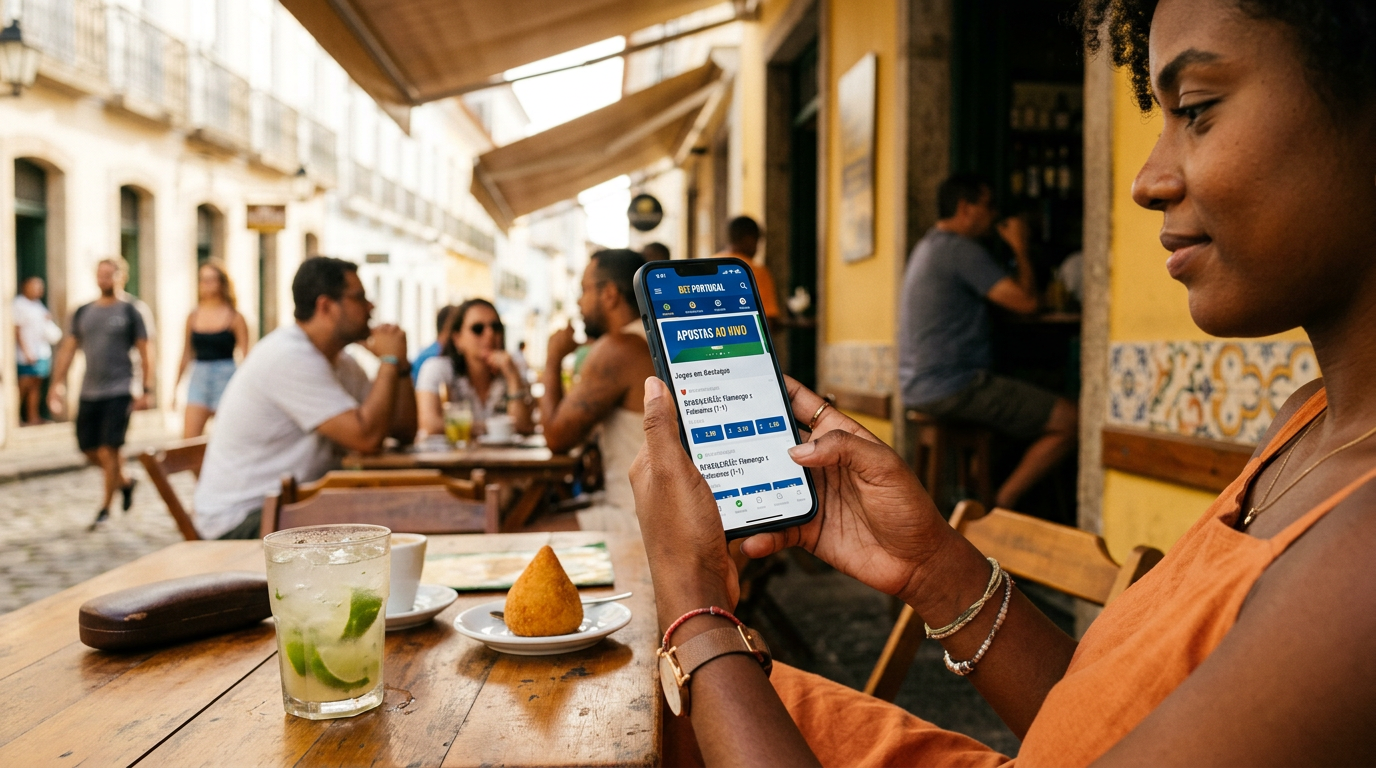
The Brazilian government's approach to online gambling regulation centers on creating a sustainable, well-regulated environment that protects consumers while generating significant tax revenue. The 12% GGR tax rate applies to all forms of online gambling, including sports betting, casino games, and poker.
Under the new regulations, operators must obtain licenses from the Secretariat of Prizes and Betting (SPA), which falls under the Ministry of Finance. The licensing process requires operators to demonstrate financial stability, implement robust responsible gambling measures, and maintain servers within Brazilian territory.
The framework also introduces stringent player protection measures, including mandatory deposit limits, self-exclusion tools, and age verification systems. These requirements reflect Brazil's commitment to creating a safe gambling environment that prioritizes consumer welfare.
Tax Structure and Financial Implications
The 12% GGR tax rate positions Brazil competitively within the global regulated gambling market. This rate is significantly lower than many European jurisdictions, where GGR taxes can reach 20% or higher. The favorable tax structure is designed to encourage operator participation while still generating substantial revenue for the Brazilian treasury.
Industry analysts project that Brazil's online gambling market could generate between $2-3 billion in annual GGR within the first three years of regulation. With the 12% tax rate, this would contribute approximately $240-360 million annually to government revenues.
The tax structure also includes additional fees for licensing and compliance monitoring. Initial licensing fees are set at R$30 million (approximately $6 million USD) for a five-year license, with annual renewal fees of R$6 million. These fees help fund regulatory oversight and ensure operators maintain compliance standards.
Market Entry Requirements for Operators
International operators seeking to enter the Brazilian market must meet comprehensive licensing requirements. The application process involves demonstrating financial reserves of at least R$100 million, equivalent to approximately $20 million USD. This requirement ensures operators have sufficient capital to honor player winnings and maintain operations.
Technical requirements mandate that all gambling servers and player data must be hosted within Brazil. This data localization requirement aims to protect player privacy and ensure compliance with Brazilian data protection laws. Operators must also integrate with approved payment processors and implement anti-money laundering measures.
The licensing framework prioritizes operators with proven track records in regulated markets. Companies must provide detailed operational histories, financial audits, and character references for key personnel. This vetting process helps maintain market integrity and consumer confidence.
Impact on Latin American iGaming
Brazil's regulatory framework is expected to influence gambling legislation across Latin America. As the region's economic powerhouse, Brazil's approach to online gambling regulation often sets precedents for neighboring countries. The 12% GGR tax rate may become a benchmark for other Latin American nations considering gambling legalization.
The Brazilian market's size and potential have already attracted major international operators. Companies like Bet365, Betfair, and PokerStars have announced plans to enter the market, bringing global expertise and best practices to Brazilian consumers. This influx of established operators is expected to drive innovation and improve service quality across the region.
Regional partnerships are also emerging as operators seek local expertise to navigate Brazil's complex regulatory environment. These collaborations between international operators and Brazilian companies are creating new business models and accelerating market development.
Sports Betting Dominates Early Market Activity
Sports betting represents the largest segment of Brazil's new online gambling market. Football, as expected, drives the majority of betting activity, with Brazilian leagues and international competitions generating significant wagering volume. The popularity of sports betting aligns with broader global trends, where sports wagering often serves as the entry point for new regulated markets.
Looking ahead, major sporting events will play a crucial role in market growth. The upcoming 2026 World Cup Betting Guide – Every Market Explained for the New 48-Team Format highlights how international tournaments can drive betting engagement, particularly in football-passionate markets like Brazil.
Live betting has proven especially popular among Brazilian bettors, with in-play wagering accounting for over 60% of sports betting volume in the market's first months. This preference for live betting reflects Brazilian sports culture's emphasis on real-time engagement and emotional investment in sporting events.
Casino Gaming and Emerging Trends
While sports betting leads market activity, online casino games are gaining traction among Brazilian players. Slot games have shown particular popularity, especially titles featuring Brazilian themes and Portuguese language support. Operators are investing heavily in localized content to appeal to Brazilian cultural preferences.
Emerging gaming trends are also taking hold in Brazil. The growing popularity of crash games among younger demographics mirrors global patterns, as detailed in analysis of Why Crash Games Are Dominating Gen Z Casino Play – The Data Behind the Short-Session Trend. These fast-paced, social gaming experiences align with Brazilian preferences for interactive and engaging content.
Table games, particularly blackjack and baccarat, have found a dedicated following among Brazilian players. Live dealer games, which combine the convenience of online play with the authenticity of physical casinos, are experiencing rapid growth as technology infrastructure improves across the country.
Responsible Gambling Initiatives
Brazil's regulatory framework places significant emphasis on responsible gambling measures. Operators must implement comprehensive player protection tools, including deposit limits, session time limits, and cooling-off periods. These requirements reflect international best practices and demonstrate Brazil's commitment to preventing gambling-related harm.
The regulations mandate that operators contribute to a responsible gambling fund, which finances problem gambling research and treatment programs. This proactive approach to harm prevention sets Brazil apart from many other emerging gambling markets and establishes a foundation for sustainable industry growth.
For more insights, check out our guide on Evolution Gaming's Studio Consolidation – How Owning NetEnt, Red Tiger, and Nolimit City Shapes 2026.
Educational initiatives form another pillar of Brazil's responsible gambling strategy. Operators must provide clear information about gambling risks and maintain links to support resources on their platforms. These requirements ensure that players have access to help when needed and understand the risks associated with gambling.
Economic Impact and Revenue Projections
The economic implications of Brazil's gambling legalization extend beyond direct tax revenue. The regulated market is expected to create thousands of jobs across technology, customer service, and compliance sectors. Major operators are establishing Brazilian offices and hiring local talent, contributing to economic growth and knowledge transfer.
Tourism benefits represent another potential revenue stream. As Brazil develops its gambling infrastructure, integrated resorts and gaming tourism could become significant economic drivers. The combination of gambling, entertainment, and hospitality creates opportunities for diversified revenue generation.
Financial services integration is also driving innovation. The gambling market's demands for secure, instant payment processing are spurring fintech development and improving Brazil's broader digital payment ecosystem. These technological advances benefit consumers and businesses beyond the gambling sector.
Challenges and Future Outlook
Despite the positive regulatory framework, operators face significant challenges in the Brazilian market. Competition is intensifying as more licenses are awarded, putting pressure on marketing costs and customer acquisition strategies. Successful operators will need to differentiate through superior product offerings and customer service.
Regulatory compliance presents ongoing challenges, particularly for operators unfamiliar with Brazilian legal requirements. The complex tax system and evolving regulatory guidance require dedicated compliance teams and ongoing legal support. Operators must balance compliance costs with profitability as the market matures.
Future market expansion depends on several factors, including infrastructure development, payment system improvements, and continued regulatory stability. The government's approach to additional gambling verticals, such as online poker tournaments and virtual sports, will also influence long-term market potential.
Regional Comparison and Global Context
Brazil's 12% GGR tax rate compares favorably to other major gambling markets worldwide. The UK charges 21% on remote gambling, while France imposes rates of up to 8.5% for sports betting and higher rates for other gambling forms. Germany's recent regulatory changes introduced an 18.3% tax rate, making Brazil's approach more operator-friendly.
Within Latin America, Brazil's comprehensive framework sets a new standard for gambling regulation. Countries like Colombia and Argentina have regulated gambling markets, but none match Brazil's market size and revenue potential. This positions Brazil as the regional leader in gambling innovation and market development.
The Brazilian model's success could influence global gambling regulation trends. The balance between consumer protection, operator profitability, and government revenue generation provides a template for other emerging markets considering gambling legalization.
Frequently Asked Questions
What is the current tax rate for online gambling in Brazil?
Brazil imposes a 12% Gross Gaming Revenue (GGR) tax on all forms of online gambling. This rate applies to sports betting, casino games, and other regulated gambling activities. Additional licensing fees of R$30 million for initial licenses and R$6 million for annual renewals also apply.
Which companies can apply for gambling licenses in Brazil?
Any international or domestic company can apply for a Brazilian gambling license, provided they meet the regulatory requirements. Applicants must demonstrate financial reserves of at least R$100 million, maintain servers within Brazil, and pass comprehensive background checks on key personnel.
How does Brazil's gambling tax compare to other countries?
Brazil's 12% GGR tax is competitive compared to other regulated markets. The UK charges 21%, Germany imposes 18.3%, and France's rates vary by gambling type. Brazil's lower tax rate is designed to attract international operators while generating substantial government revenue.
What responsible gambling measures are required in Brazil?
Brazilian regulations mandate comprehensive player protection tools including deposit limits, session time limits, self-exclusion options, and age verification systems. Operators must also contribute to a responsible gambling fund and provide educational resources about gambling risks.
When did Brazil officially launch legal online gambling?
Brazil's regulated online gambling market officially launched in January 2024. The regulatory framework was developed over several years, with the final regulations taking effect at the beginning of 2024, allowing licensed operators to serve Brazilian customers legally.
What are the most popular gambling activities in Brazil?
Sports betting, particularly football wagering, dominates Brazil's online gambling market. Live betting accounts for over 60% of sports betting volume. Online casino games, especially slots and live dealer games, are also gaining popularity among Brazilian players.